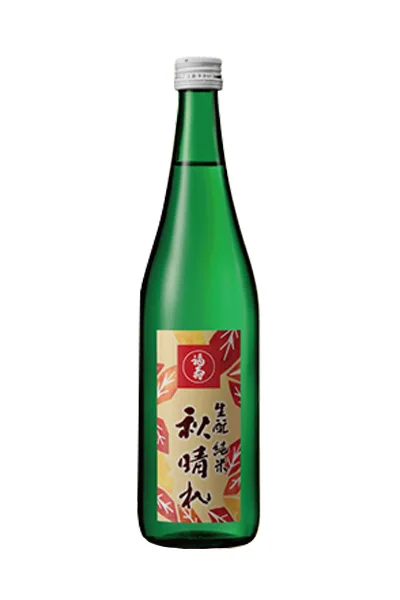
Fukuju Akibare
福寿 秋晴れJunmai, rice polished to 70%
Fukuju — Kobe Shushinkan, Hyogo
A seasonal sake as clear and bright as an autumn sky. A dry Nada sake made with traditional methods.
Specifications
- Type
- Junmai Shu
- Rice
- Not disclosed
- Rice polishing ratio
- 70%30% of each grain polished away
- Yeast
- Not disclosed
- Alcohol
- 15%
How to read these
- Type
- The grade printed on the label. It depends on the ingredients (rice only, or with a little distilled alcohol) and on how far the rice is polished. More
- Rice
- The rice variety. Most premium sake uses varieties grown for brewing, such as Yamada Nishiki. More
- Rice polishing ratio
- How much of each grain is left after polishing. A lower number means more was milled away, which usually gives a lighter, more aromatic sake. More
- Yeast
- The yeast strain, which shapes the aroma. More
- Alcohol
- Alcohol by volume. Most sake is 15–16%; undiluted (genshu) sake is often 17–18%. More
Flavor profile Rich & umami
Rich & umami — rice-driven umami and a fuller body. Known in Japan as jun-shu (醇酒).
The description's dry, yamahai-style (kimoto-type) Nada junmai character, together with 70% polishing and a junmai designation, points to restrained aroma and a full, umami-rich body. Sweetness is low.
Estimated by AI from the published specifications and the brewery's description; your impression may differ.
About
This dry junmai sake from Nada, known as otokozake (men's sake) for its robust, forceful character, becomes mellow in aroma and flavor after aging through the summer. Around that time, clear, cloudless autumn skies spread overhead. Over time, the sake's character came to be likened to an autumn sky, and it was given the name "Akibare." Clear and bright, a Nada sake. A dry sake made with the traditional Kimoto (traditional yeast-starter method) technique.
Other sake from this brand 9
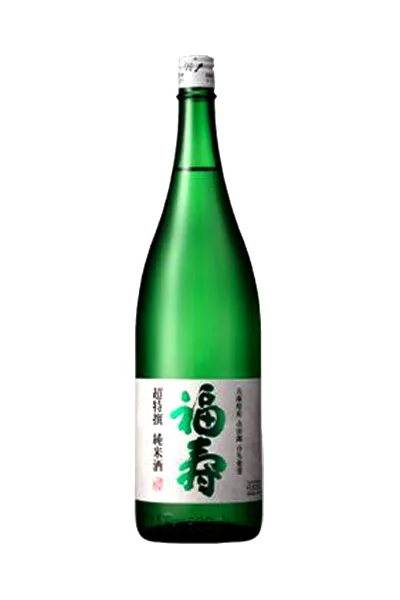
- Fukuju Chotokusen Junmai sake福寿 超特撰 純米酒
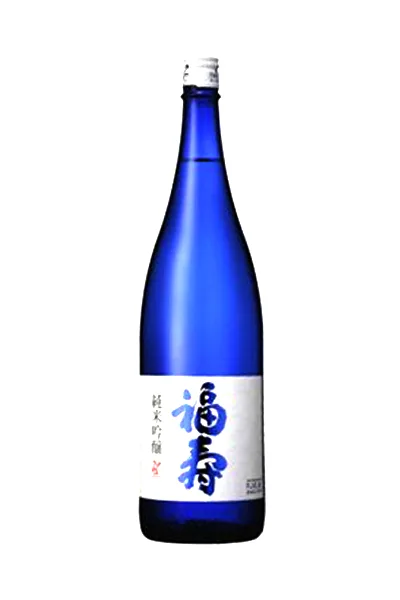
- Fukuju Junmai Ginjo福寿 純米吟醸
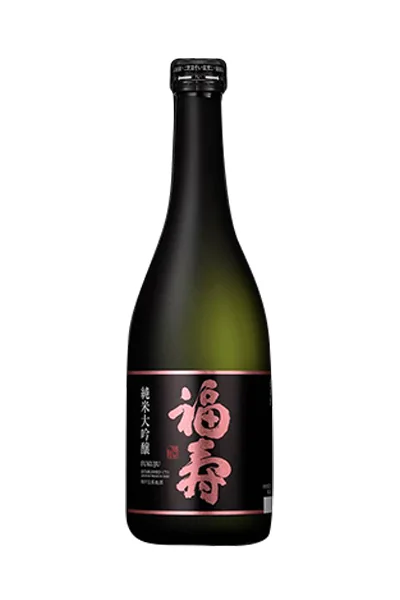
- Fukuju Junmai Daiginjo福寿 純米大吟醸
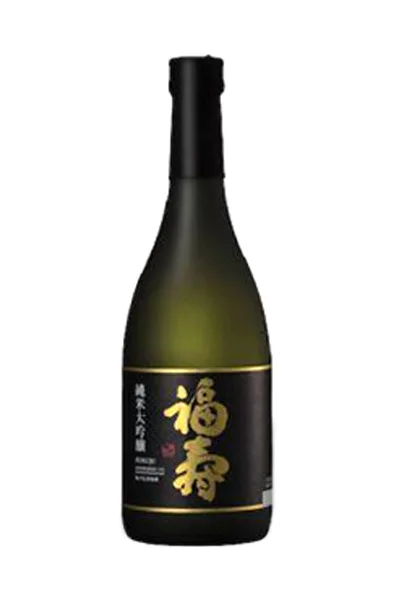
- Fukuju Junmai Daiginjo Kuro Label福寿 純米大吟醸 黒ラベル
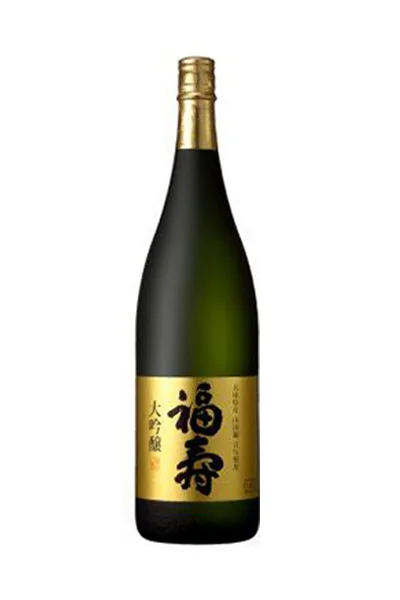
- Fukuju Daiginjo福寿 大吟醸
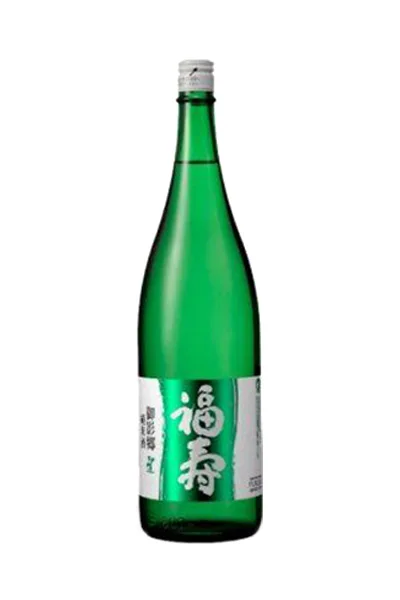
- Fukuju Junmai sake Mikage-go福寿 純米酒 御影郷
- Fukuju Daiginjo Kiwami Jo Genshu福寿 大吟醸 極上原酒
- Fukuju Kimoto Jukusei Junmai sake福寿 生酛造り 熟成純米酒
- Fukuju Takumi福寿 匠