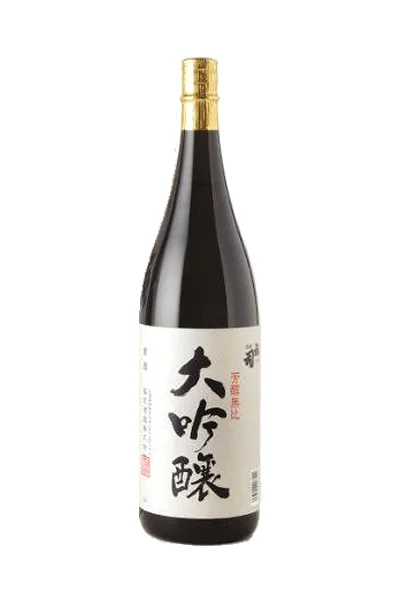
Fukutsukasa Daiginjo
福司 大吟醸Daiginjo, Suisei rice polished to 40%
Fukutsukasa — Fukutsukasa Shuzo, Hokkaido
A gentle sweetness spreads across the palate, a sake you never tire of drinking.
Specifications
- Type
- Daiginjo
- Rice
- Suisei
- Rice polishing ratio
- 40%60% of each grain polished away
- Yeast
- Not disclosed
- Alcohol
- 15%
- Sake meter value
- +2slightly dry
- Acidity
- 1.3
How to read these
- Type
- The grade printed on the label. It depends on the ingredients (rice only, or with a little distilled alcohol) and on how far the rice is polished. More
- Rice
- The rice variety. Most premium sake uses varieties grown for brewing, such as Yamada Nishiki. More
- Rice polishing ratio
- How much of each grain is left after polishing. A lower number means more was milled away, which usually gives a lighter, more aromatic sake. More
- Yeast
- The yeast strain, which shapes the aroma. More
- Alcohol
- Alcohol by volume. Most sake is 15–16%; undiluted (genshu) sake is often 17–18%. More
- Sake meter value
- A sweet-to-dry scale. Plus is drier, minus is sweeter. Acidity changes how it tastes, so treat it as a rough guide. More
- Acidity
- Total acid. Higher tends to taste fuller and drier; lower tastes lighter and sweeter. More
Flavor profile Aromatic & light
Aromatic & light — fruity, floral aroma with a light body. Known in Japan as kun-shu (薫酒).
The daiginjo classification, 40% polishing and the melon and apple aroma described in the text point to a high aroma. An SMV of +2 with low acidity of 1.3 suggests a soft, moderately sweet palate, and 15% alcohol keeps the body light, placing it in the kun quadrant.
Estimated by AI from the published specifications and the brewery's description; your impression may differ.
About
Carefully brewed in small batches, this is a fine sake. This Daiginjo is made for general distribution. (Available year-round since 2019.) Highly polished rice is fermented slowly at low temperature over a long period, allowing its aromatic and full-bodied character to shine. From production in July 2022, the rice used is Hokkaido-grown Suisei, polished to a rice polishing ratio of 40%. Furthermore, because brewing constraints limit the number of batches that can be made, the genshu (undiluted sake) of Fukutsukasa's Daiginjo is pressed from moromi (fermentation mash) that was brewed as an entry for the New Sake Appraisal (Shinshu Kanpyokai). When the seal is broken, the ginjo aroma drifts out as a vivid bouquet reminiscent of melon and apple. Everything is handmade with great care, a labor-intensive sake. A gentle sweetness spreads across the palate, and it is finished to be a sake you never tire of drinking.
Other sake from this brand 7
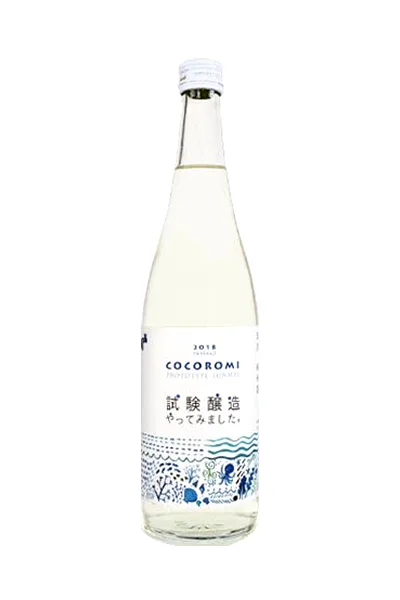
- COCOROMI Shiken Jozo Yatte MimashitaCOCOROMI 試験醸造やってみました。
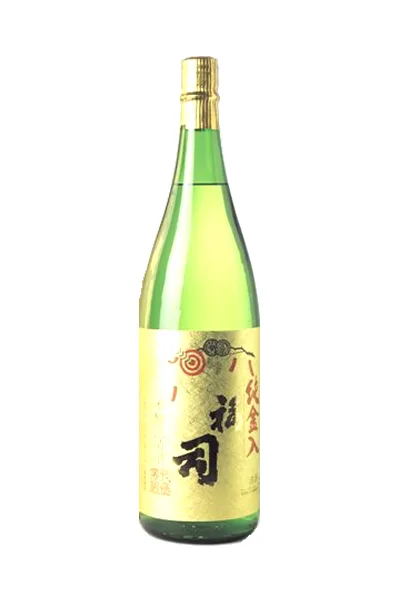
- Fukutsukasa Junkin-iri Honjozo福司 純金入 本醸造
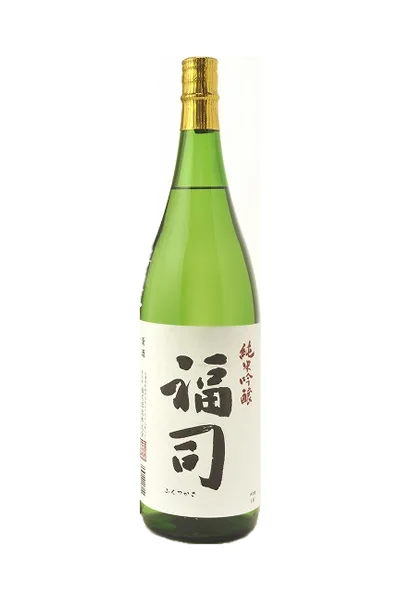
- Fukutsukasa Junmai Ginjo福司 純米吟醸酒
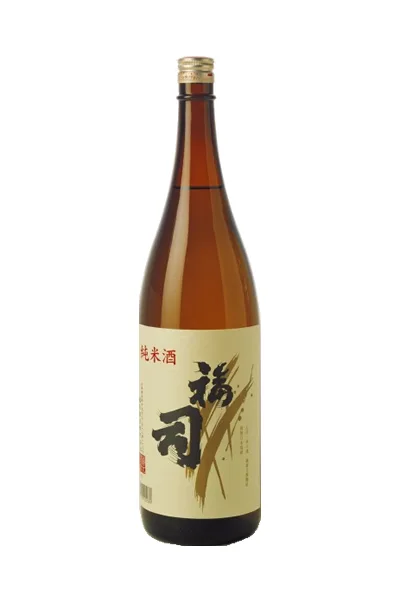
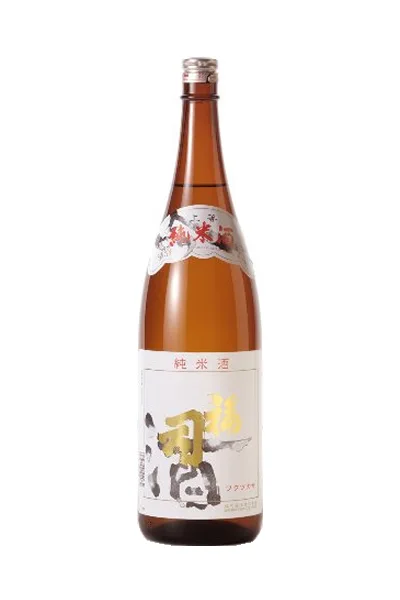
- Fukutsukasa Junmai sake福司 純米酒
- Fukutsukasa Tokubetsu Junmai福司 特別純米酒
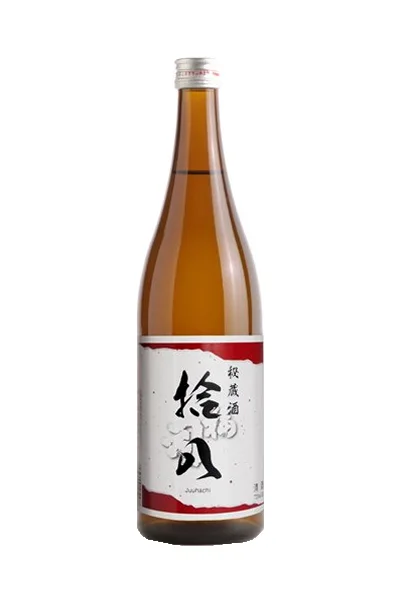
- Fukutsukasa Hizoshu Juhachi福司 秘蔵酒 拾八
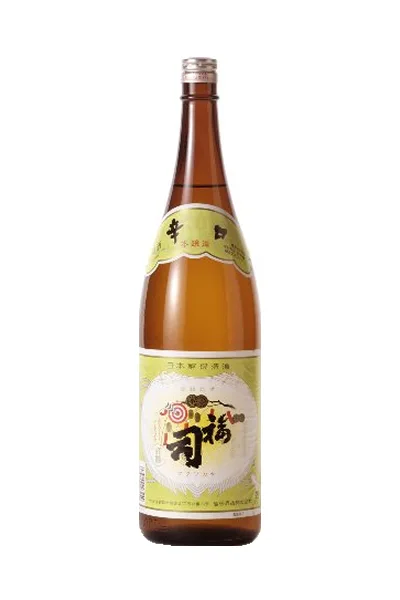
- Fukutsukasa Honjozo Dry福司 本醸造 辛口