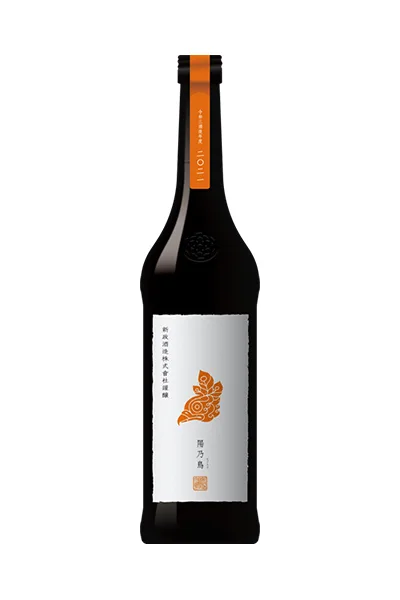
Hijoshu Hinotori
秘醸酒 陽乃鳥Junmai, rice polished to 60%, kijoshu (brewed with sake in place of some water)
Hijoshu — Aramasa Shuzo, Akita
A one-of-a-kind kijoshu
Specifications
- Type
- Junmai Shu
- Rice
- Not disclosed
- Rice polishing ratio
- 60%40% of each grain polished away
- Yeast
- Kyokai No. 6
- Alcohol
- 13%
How to read these
- Type
- The grade printed on the label. It depends on the ingredients (rice only, or with a little distilled alcohol) and on how far the rice is polished. More
- Rice
- The rice variety. Most premium sake uses varieties grown for brewing, such as Yamada Nishiki. More
- Rice polishing ratio
- How much of each grain is left after polishing. A lower number means more was milled away, which usually gives a lighter, more aromatic sake. More
- Yeast
- The yeast strain, which shapes the aroma. More
- Alcohol
- Alcohol by volume. Most sake is 15–16%; undiluted (genshu) sake is often 17–18%. More
Flavor profile Full & complex
Full & complex — aromatic and full-bodied, including aged sake. Known in Japan as juku-shu (熟酒).
The brewery describes a kijoshu made by replacing part of the brewing water with sake, which the text says makes it denser and sweeter, and the 13% alcohol and 60% polish are consistent with that. Vanilla-like notes from Mizunara cask aging add a restrained, mature aroma, placing it in the juku quadrant with high body and sweetness.
Estimated by AI from the published specifications and the brewery's description; your impression may differ.
About
Developed in 1973 by an engineer from the National Tax Agency, based on Japan's oldest sake-brewing method, this kijoshu (sake brewed with sake in place of part of the water) is made by replacing part of the water normally used with sake. Sake is usually brewed with rice, rice koji, and water, but in this sake, part of the water is replaced with sake. Because the added sake undergoes fermentation again within the moromi, the finished sake is richer and sweeter. The name Hinotori (陽乃鳥) was given to reflect the way this sake is reborn. The sake added to the brew is aged for one year in Mizunara oak barrels beforehand, and the vanilla-like aroma it gains further enhances the sweetness of the sake. Furthermore, this season marks the long-anticipated switch to brewing in wooden vats (kioke). It may well be said to be a kijoshu like no other.
Other sake from this brand 3
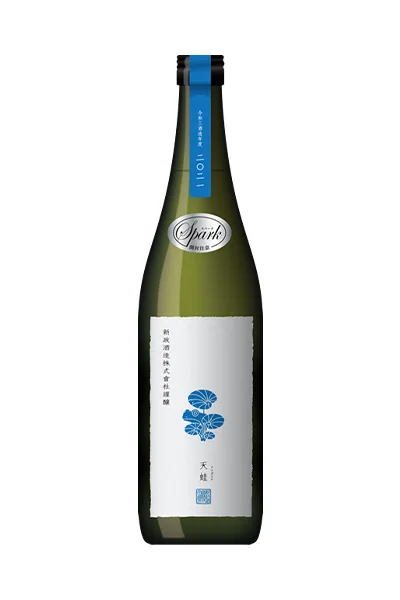
- Hijoshu Tenkaeru秘醸酒 天蛙
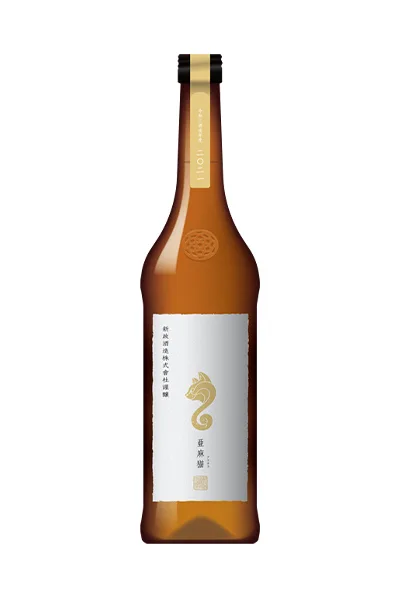
- Hijoshu Aramaneko秘醸酒 亜麻猫
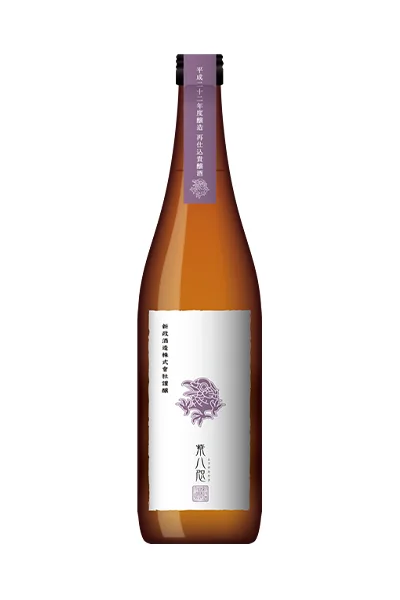
- Hijoshu Murasaki Yata秘醸酒 紫八咫