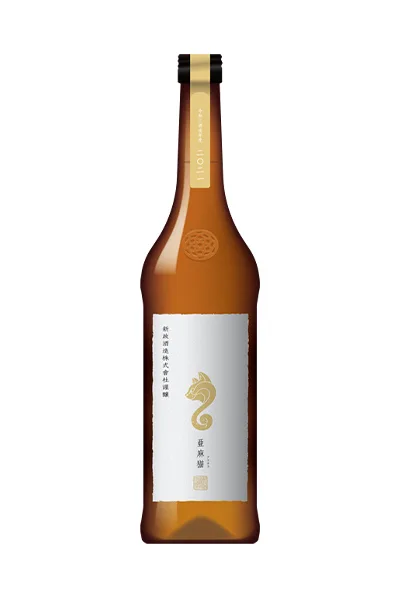
Hijoshu Aramaneko
秘醸酒 亜麻猫Junmai, rice polished to 60%
Hijoshu — Aramasa Shuzo, Akita
Arguably the most idiosyncratic work in the Aramasa lineup, Aramaneko.
Specifications
- Type
- Junmai Shu
- Rice
- Not disclosed
- Rice polishing ratio
- 60%40% of each grain polished away
- Yeast
- Kyokai No. 6
- Alcohol
- 13%
- Sake meter value
- -2slightly sweet
- Acidity
- 2.3
How to read these
- Type
- The grade printed on the label. It depends on the ingredients (rice only, or with a little distilled alcohol) and on how far the rice is polished. More
- Rice
- The rice variety. Most premium sake uses varieties grown for brewing, such as Yamada Nishiki. More
- Rice polishing ratio
- How much of each grain is left after polishing. A lower number means more was milled away, which usually gives a lighter, more aromatic sake. More
- Yeast
- The yeast strain, which shapes the aroma. More
- Alcohol
- Alcohol by volume. Most sake is 15–16%; undiluted (genshu) sake is often 17–18%. More
- Sake meter value
- A sweet-to-dry scale. Plus is drier, minus is sweeter. Acidity changes how it tastes, so treat it as a rough guide. More
- Acidity
- Total acid. Higher tends to taste fuller and drier; lower tastes lighter and sweeter. More
Flavor profile Rich & umami
Rich & umami — rice-driven umami and a fuller body. Known in Japan as jun-shu (醇酒).
The 60% polishing ratio, junmai designation, and SMV of -2 with acidity of 2.3 point to a restrained aroma, a fuller body, and a balance of mild sweetness against pronounced acidity. The white koji acidity and wooden tub brewing add structure and richness.}
Estimated by AI from the published specifications and the brewery's description; your impression may differ.
About
Brewed with ordinary sake koji (rice mold) alongside white koji normally used for shochu, which gives a strong acidity, this is a work that offers an acidity rarely found in sake. As a clear expression of Aramasa's experimental spirit, it has been a regular release for twelve years, and even now it stands apart as a remarkably distinctive presence. Like Colors and Hinotori, it is also brewed in wooden kioke vats, and in recent years its individuality has become even more pronounced. A spin-off is Aramaneko Spark, an active nigori namazake (unpasteurized) that undergoes secondary fermentation in the bottle.
Other sake from this brand 3
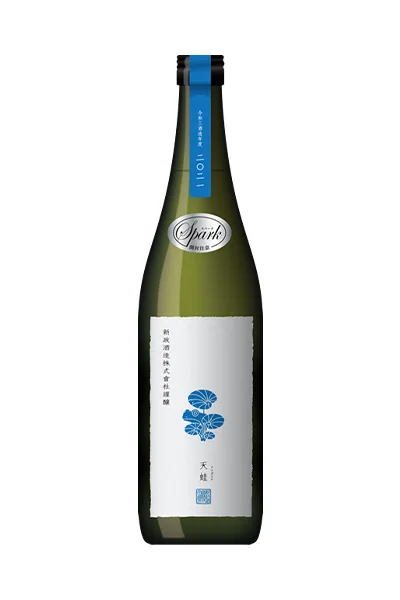
- Hijoshu Tenkaeru秘醸酒 天蛙
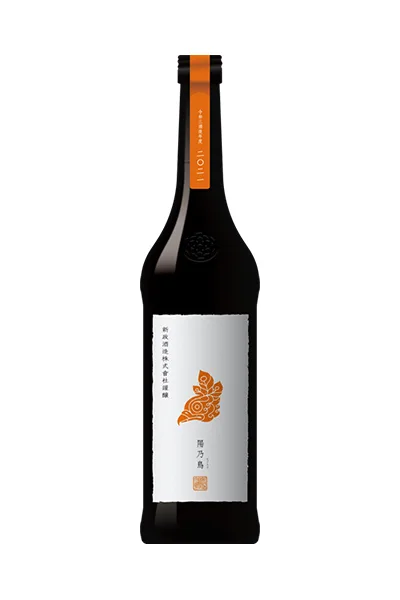
- Hijoshu Hinotori秘醸酒 陽乃鳥
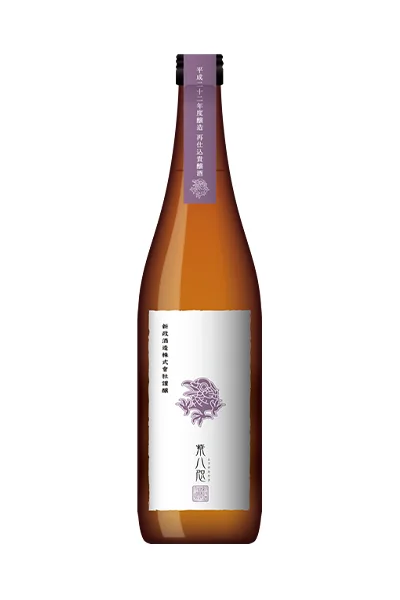
- Hijoshu Murasaki Yata秘醸酒 紫八咫