Hijoshu Tenkaeru
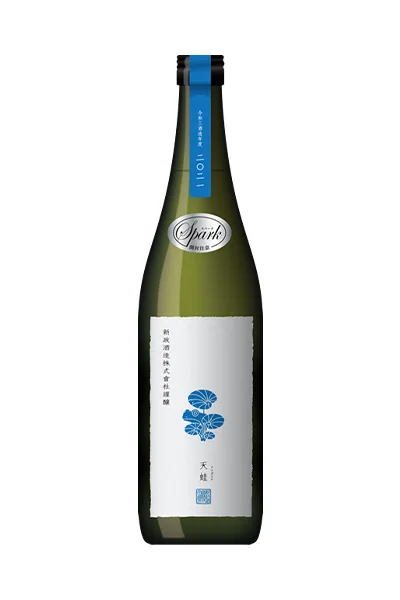
秘醸酒 天蛙Junmai, rice polished to 60%, sparkling
Hijoshu — Aramasa Shuzo, Akita
A lightly cloudy, sparkling sake with 10% or less alcohol.
Specifications
- Type
- Junmai Shu
- Rice
- Not disclosed
- Rice polishing ratio
- 60%40% of each grain polished away
- Yeast
- Kyokai No. 6
- Alcohol
- 9%
How to read these
- Type
- The grade printed on the label. It depends on the ingredients (rice only, or with a little distilled alcohol) and on how far the rice is polished. More
- Rice
- The rice variety. Most premium sake uses varieties grown for brewing, such as Yamada Nishiki. More
- Rice polishing ratio
- How much of each grain is left after polishing. A lower number means more was milled away, which usually gives a lighter, more aromatic sake. More
- Yeast
- The yeast strain, which shapes the aroma. More
- Alcohol
- Alcohol by volume. Most sake is 15–16%; undiluted (genshu) sake is often 17–18%. More
Flavor profile Clean & dry
Clean & dry — restrained aroma, crisp and refreshing. Known in Japan as so-shu (爽酒).
At 9% alcohol with a light nigori and bottle-fermented sparkle, this junmai reads light and lively, with the restrained aroma expected of non-ginjo rice. Its nigori texture and bottle fermentation suggest moderate residual sweetness.
Estimated by AI from the published specifications and the brewery's description; your impression may differ.
About
Because it is a bottle-fermented sparkling sake (secondary fermentation in the bottle), alcoholic fermentation by the live yeast tends to continue, and internal pressure may rise more than expected. For this reason, Aramasa requires that it be kept at -5°C or below without exception, both at the brewery and at retail outlets. Careful handling is also needed after purchase, so it cannot be recommended to beginners. It may be called the ultimate sake for enthusiasts. Generally, low-alcohol sake of this kind is often made by industrial methods. Tenkaeru, however, is designed independently by Aramasa and, like all of Aramasa's other products, uses no additives that would need to be listed as ingredients, such as brewing lactic acid, enzyme preparations, or inorganic salts. It is brewed using applied traditional methods. Because the production process is extremely difficult, this product is released only in small quantities from May to July.
Other sake from this brand 3
- Hijoshu Aramaneko秘醸酒 亜麻猫
- Hijoshu Hinotori秘醸酒 陽乃鳥
- Hijoshu Murasaki Yata秘醸酒 紫八咫