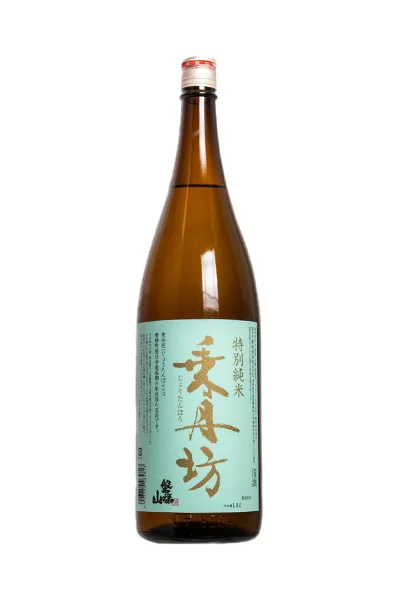
Jotanbo Tokubetsu Junmai
乗丹坊 特別純米Tokubetsu junmai, rice polished to 58%, unfiltered, unpasteurized and undiluted (muroka nama genshu)
Jotanbo — Bandai Shuzo, Fukushima
Brewed with groundwater from Mount Bandai by a historic brewery in Bandai town that has operated for 130 years. Stored at -3°C in Hyoon Chozo (ice-temperature storage).
Specifications
- Type
- Tokubetsu Junmai
- Rice
- Not disclosed
- Rice polishing ratio
- 58%42% of each grain polished away
- Yeast
- Not disclosed
- Alcohol
- 16%
- Sake meter value
- -1medium
- Acidity
- 1.6
How to read these
- Type
- The grade printed on the label. It depends on the ingredients (rice only, or with a little distilled alcohol) and on how far the rice is polished. More
- Rice
- The rice variety. Most premium sake uses varieties grown for brewing, such as Yamada Nishiki. More
- Rice polishing ratio
- How much of each grain is left after polishing. A lower number means more was milled away, which usually gives a lighter, more aromatic sake. More
- Yeast
- The yeast strain, which shapes the aroma. More
- Alcohol
- Alcohol by volume. Most sake is 15–16%; undiluted (genshu) sake is often 17–18%. More
- Sake meter value
- A sweet-to-dry scale. Plus is drier, minus is sweeter. Acidity changes how it tastes, so treat it as a rough guide. More
- Acidity
- Total acid. Higher tends to taste fuller and drier; lower tastes lighter and sweeter. More
Flavor profile Rich & umami
Rich & umami — rice-driven umami and a fuller body. Known in Japan as jun-shu (醇酒).
The text describes a gentle koji-derived aroma and rice-driven umami with body, and the genshu at 16% with SMV -1 points to a full, slightly sweet profile. This places it in the restrained, rich jun quadrant.
Estimated by AI from the published specifications and the brewery's description; your impression may differ.
About
This is a full-bodied Tokubetsu Junmai made with Aizu-grown sake rice polished to a rice polishing ratio of 58%, which highlights the richness of the rice. The calm, mellow aroma comes from koji. The name Jotambo refers to the head monk (sotogashira) of Ekijiji, a temple in Aizu that existed about 1,200 years ago and was a birthplace of Buddhist culture in the region. The sake pairs well with fatty dishes such as meat. It can be served chilled, but it is best at room temperature or lightly warmed (nurume no kan), which brings out the umami. Because its acidity is high, bitterness is less likely to emerge when warmed, so it may taste slightly dry.
Other sake from this brand 1
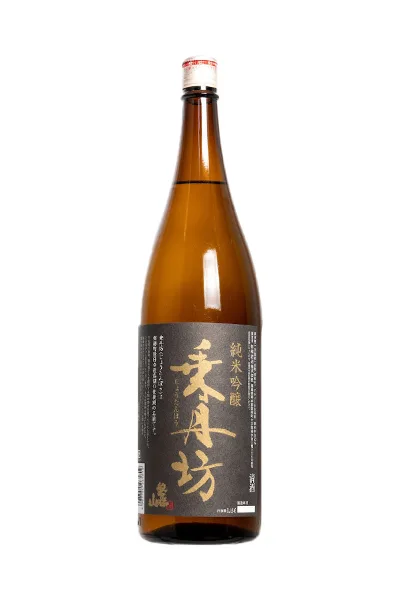
- Jotanbo Junmai Ginjo乗丹坊 純米吟醸