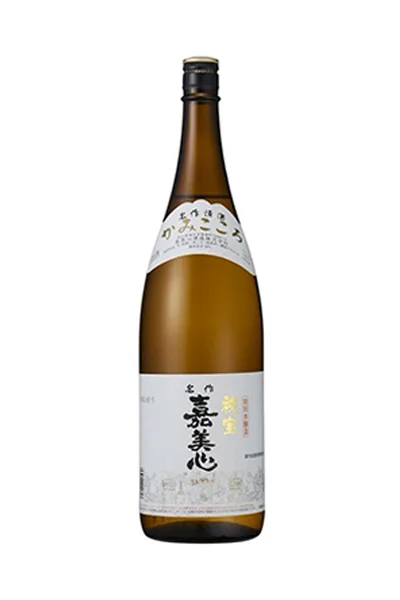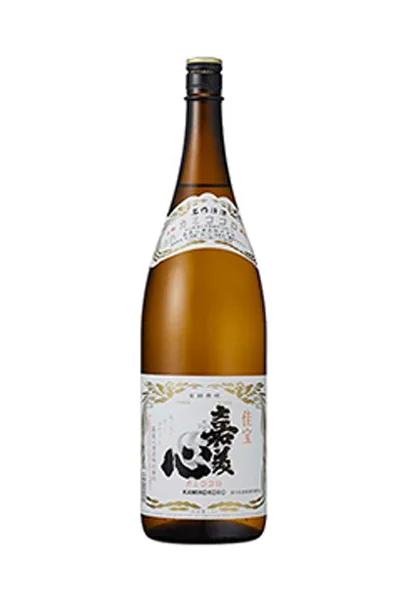
Kamikokoro Kahou
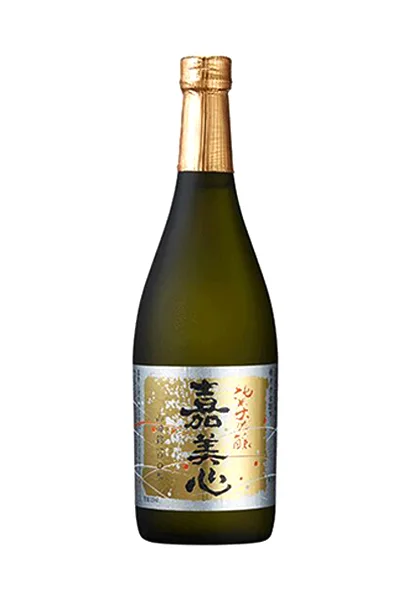
嘉美心 佳宝Futsushu (table sake), rice polished to 70%
Kamikokoro — Kamikokoro Shuzo, Okayama
A sake that embodies the wish of generations of brewery owners and toji to share the umami of rice with those who drink it.
Specifications
- Type
- Futsushu
- Rice
- Not disclosed
- Rice polishing ratio
- 70%30% of each grain polished away
- Yeast
- Not disclosed
- Alcohol
- 16%
- Sake meter value
- -6very sweet
- Acidity
- 1.3
How to read these
- Type
- The grade printed on the label. It depends on the ingredients (rice only, or with a little distilled alcohol) and on how far the rice is polished. More
- Rice
- The rice variety. Most premium sake uses varieties grown for brewing, such as Yamada Nishiki. More
- Rice polishing ratio
- How much of each grain is left after polishing. A lower number means more was milled away, which usually gives a lighter, more aromatic sake. More
- Yeast
- The yeast strain, which shapes the aroma. More
- Alcohol
- Alcohol by volume. Most sake is 15–16%; undiluted (genshu) sake is often 17–18%. More
- Sake meter value
- A sweet-to-dry scale. Plus is drier, minus is sweeter. Acidity changes how it tastes, so treat it as a rough guide. More
- Acidity
- Total acid. Higher tends to taste fuller and drier; lower tastes lighter and sweeter. More
Flavor profile Rich & umami
Rich & umami — rice-driven umami and a fuller body. Known in Japan as jun-shu (醇酒).
A sake-do of -6, low acidity of 1.3 and 70% polishing point to a soft, sweet profile, while the description's umami and full, rounded mouthfeel indicate a rich, restrained style with modest aroma.
Estimated by AI from the published specifications and the brewery's description; your impression may differ.
About
The two pillars of Kamikokoro's futsushu (standard sake) lineup, Kahou and Meiho, have long been loved locally. They are cherished not only by customers who have been drinking them for years but also by families who have enjoyed them across generations, to the point that locally, Kamikokoro is practically synonymous with Kahou and Meiho. Its full-bodied flavor embodies the wish of generations of brewery owners and toji to convey the umami of rice to those who drink it. Although the market has a strong preference for ginjo, in tasting comparisons at events Kahou holds its own in popularity even among ginjo sake. Please savor the flavor that Kamikokoro has continued to produce for 100 years. Kahou comes in a kamimaki (paper-wrapped) format and is greatly appreciated for ceremonial offerings and as a gift.
Other sake from this brand 12
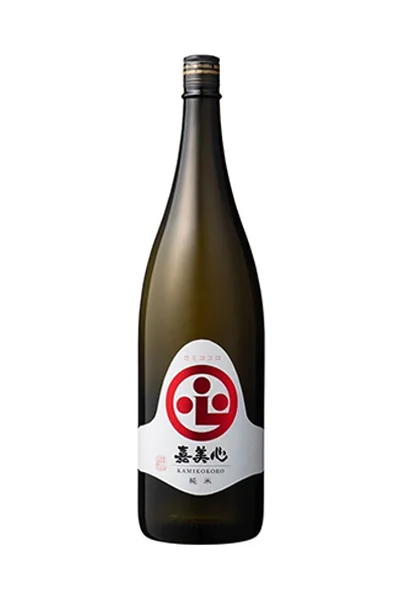
- Kamikokoro Junmai嘉美心 純米
- Kamikokoro Junmai Daiginjo Hakoiri嘉美心 純米大吟醸 箱入
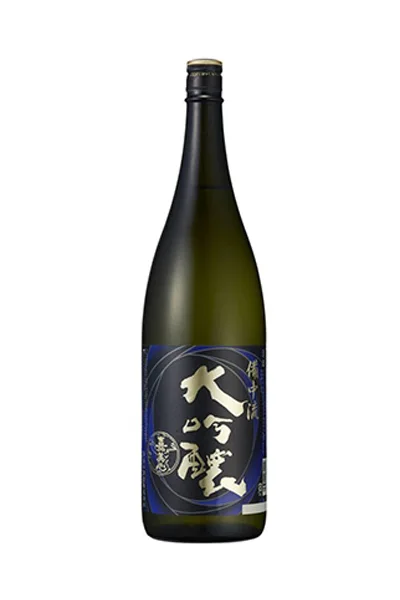
- Kamikokoro Bitchu-ryu Daiginjo嘉美心 備中流 大吟醸
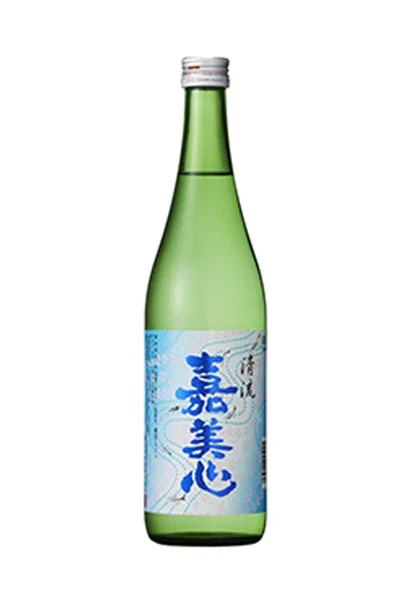
- Kamikokoro Seiryu嘉美心 清流
- Kamikokoro Hiho嘉美心 秘宝
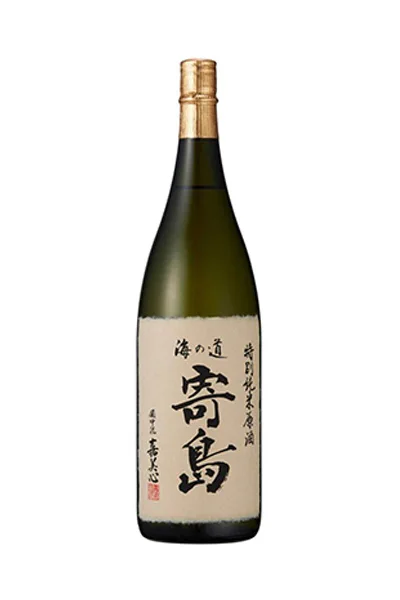
- Kamikokoro Umi no Michi Yorishima嘉美心 海の道 寄島
- Kamikokoro Tokuho嘉美心 特宝
- Kamikokoro Oshima Shuichi嘉美心 大島修一
- Kamikokoro Meiho嘉美心 名宝
- Kamikokoro Bitchu-ryu Junmai Daiginjo嘉美心 備中流 純米大吟醸
- Kamikokoro Kappu Okayama嘉美心 カップ おかやま
- Kamikokoro Nagisa no Uta嘉美心 渚の歌