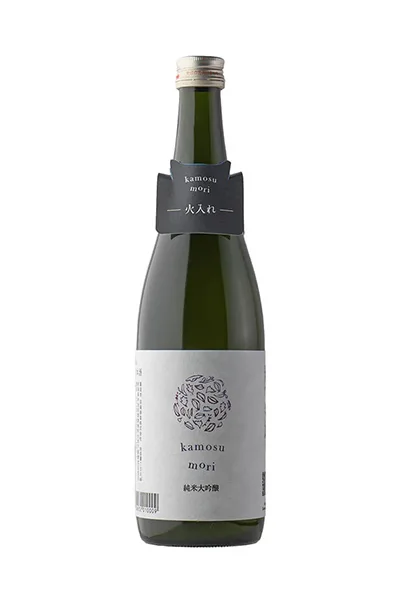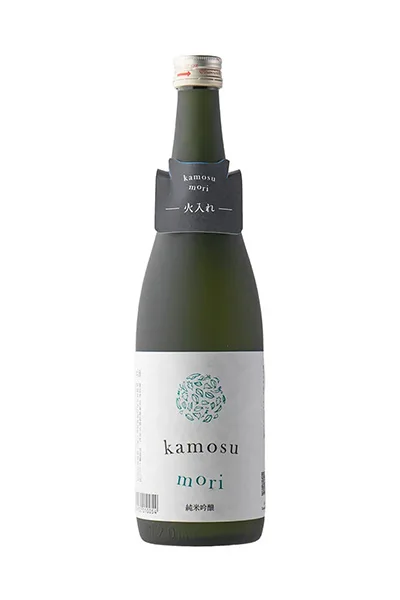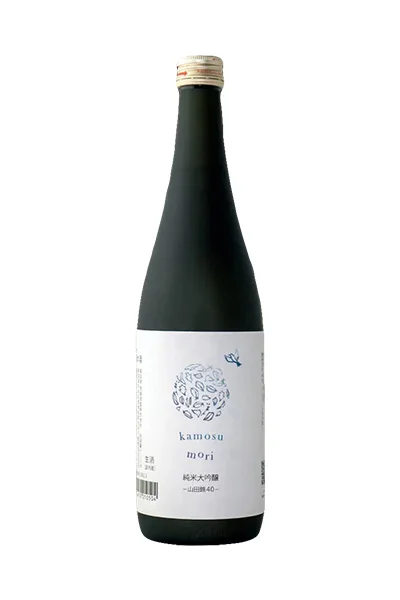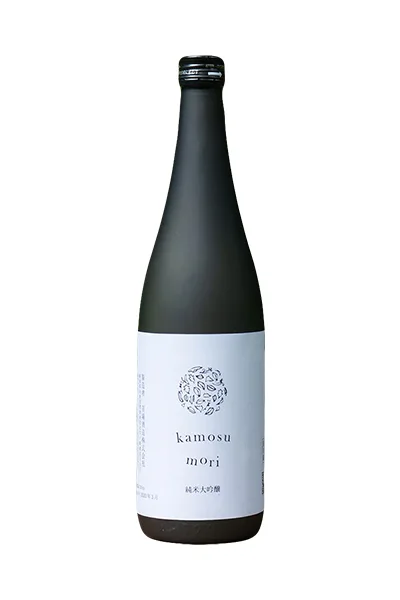
Kamosu Mori Junmai Daiginjo Namazake
醸す森 純米大吟醸 生酒Junmai daiginjo, Gohyakumangoku rice polished to 50%, unpasteurized (nama)
Kamosu Mori — Naeba Shuzo, Niigata
The sweetest of the Kamosumori lineup.
Specifications
- Type
- Junmai Daiginjo
- Rice
- Gohyakumangoku
- Rice polishing ratio
- 50%50% of each grain polished away
- Yeast
- M310
- Alcohol
- 14%
- Sake meter value
- -34very sweet
- Acidity
- 3
How to read these
- Type
- The grade printed on the label. It depends on the ingredients (rice only, or with a little distilled alcohol) and on how far the rice is polished. More
- Rice
- The rice variety. Most premium sake uses varieties grown for brewing, such as Yamada Nishiki. More
- Rice polishing ratio
- How much of each grain is left after polishing. A lower number means more was milled away, which usually gives a lighter, more aromatic sake. More
- Yeast
- The yeast strain, which shapes the aroma. More
- Alcohol
- Alcohol by volume. Most sake is 15–16%; undiluted (genshu) sake is often 17–18%. More
- Sake meter value
- A sweet-to-dry scale. Plus is drier, minus is sweeter. Acidity changes how it tastes, so treat it as a rough guide. More
- Acidity
- Total acid. Higher tends to taste fuller and drier; lower tastes lighter and sweeter. More
Flavor profile Aromatic & light
Aromatic & light — fruity, floral aroma with a light body. Known in Japan as kun-shu (薫酒).
Strong grape and pineapple-like sweet aroma from the 50% polish and ginjo brewing points to high aroma. SMV -34 indicates strong sweetness, and acidity of 3 with a yogurt-like tang gives a lively, fairly light body.
Estimated by AI from the published specifications and the brewery's description; your impression may differ.
About
Sweet aromas of Kyoho grape and pineapple, with a yogurt-like acidity that comes through crisply. It pairs well with hamburger steak, blue cheese, and tiramisu. From an ochoko (sake cup) it tastes even sweeter, while from a wine glass it offers fruity aromas and a bright, shimmering sweetness. [Recommended ways to enjoy] - Recommended dishes: hamburger steak, blue cheese, tiramisu - Recommended vessel: wine glass - Serving temperature: chilled (5°C and up) A carefully crafted unfiltered Nama Genshu, made with single-stage brewing (ichidan-jikomi) and fukuro-shibori bag pressing. Naeba Shuzo puts great effort and care into every step of the Kamosumori series. We invite you to enjoy a fruity flavor unlike any other. [Characteristics of Junmai Daiginjo] Sake made from rice polished to 50% or less, using only rice, rice koji, and water, and brewed by ginjo brewing, is called Junmai Ginjo. By combining a pure rice-and-water Junmai approach with ginjo brewing, which ferments slowly at low temperatures, this sake offers a clean flavor and an elegant ginjo aroma. [Characteristics of Namazake] Regular sake is pasteurized twice, once after pressing and once just before bottling, to prevent changes in quality. Namazake (unpasteurized) is never pasteurized at all. Because yeast and other microorganisms remain alive in the bottle, it must be kept refrigerated, but it offers a fresh, fruity flavor and a crisp acidity. Amino acid level: 2.2
Other sake from this brand 3
- Kamosu Mori Junmai Daiginjo Hiire醸す森 純米大吟醸 火入れ
- Kamosu Mori Junmai Ginjo Hiire醸す森 純米吟醸 火入れ
- Kamosu Mori Junmai Daiginjo -Yamada Nishiki 40- Namazake醸す森 純米大吟醸 -山田錦40- 生酒