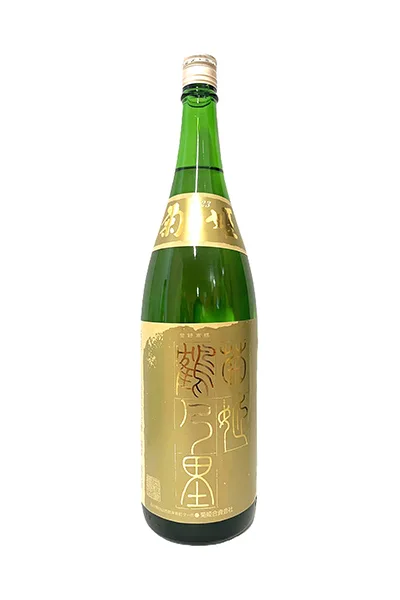
Kikuhime Tsuruno Sato
菊姫 鶴乃里Junmai, Yamada Nishiki rice polished to 65%, yamahai starter
Bold yet refined, this junmai sake is brewed with yamahai (traditional yeast-starter method), combining delicate, high-quality umami with a powerful character.
Specifications
- Type
- Junmai Shu
- Rice
- Yamada Nishiki
- Rice polishing ratio
- 65%35% of each grain polished away
- Yeast
- Not disclosed
- Alcohol
- 16%
How to read these
- Type
- The grade printed on the label. It depends on the ingredients (rice only, or with a little distilled alcohol) and on how far the rice is polished. More
- Rice
- The rice variety. Most premium sake uses varieties grown for brewing, such as Yamada Nishiki. More
- Rice polishing ratio
- How much of each grain is left after polishing. A lower number means more was milled away, which usually gives a lighter, more aromatic sake. More
- Yeast
- The yeast strain, which shapes the aroma. More
- Alcohol
- Alcohol by volume. Most sake is 15–16%; undiluted (genshu) sake is often 17–18%. More
Flavor profile Full & complex
Full & complex — aromatic and full-bodied, including aged sake. Known in Japan as juku-shu (熟酒).
Yamahai brewing, 65% polishing and 16% alcohol point to a powerful, umami-rich body. The banana-like aroma gives moderate aromatic lift, and the crisp acidity keeps the finish firm and fairly dry.
Estimated by AI from the published specifications and the brewery's description; your impression may differ.
About
A sweet, banana-like aroma and a refreshing, milky flavor spread across the palate, and a crisp acidity tightens the finish. The International Wine Challenge (I・W・C), the world's largest wine competition, which is held every year, added a sake (SAKE) category in 2007. Tsuruno Sato won the first Champion Sake (the top award) in that newly established category. It is brewed in fermentation tanks specially commissioned by Kikuhime, with temperature control as meticulous as that used for ginjo sake. Released every year in early October, the label color changes annually, cycling through red, gold, and blue. The current R5BY (2024) label is gold. Because it also ages very well, tasting all three label colors side by side is also recommended.
Other sake from this brand 24
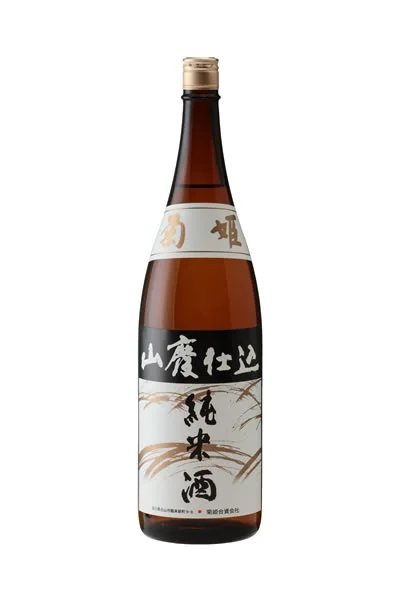
- Kikuhime Yamahai Junmai sake菊姫 山廃純米酒
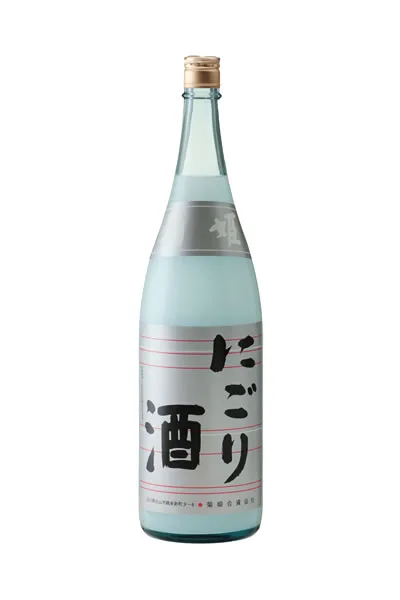
- Kikuhime Nigori菊姫 にごり酒
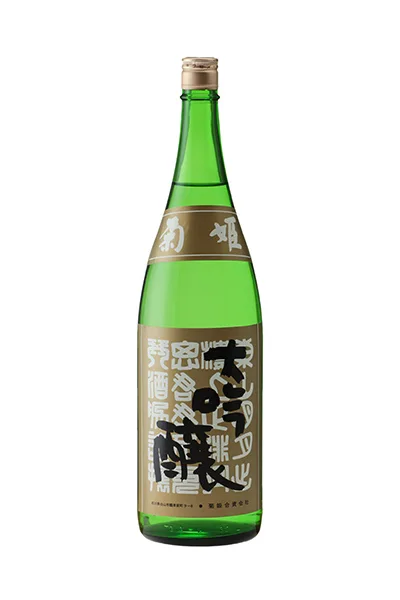
- Kikuhime B.Y. Daiginjo菊姫 B.Y.大吟醸
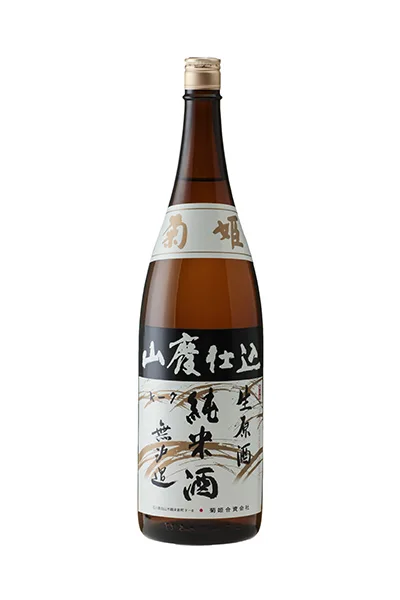
- Kikuhime Yamahai Junmai Muroka Nama Genshu菊姫 山廃純米無濾過生原酒
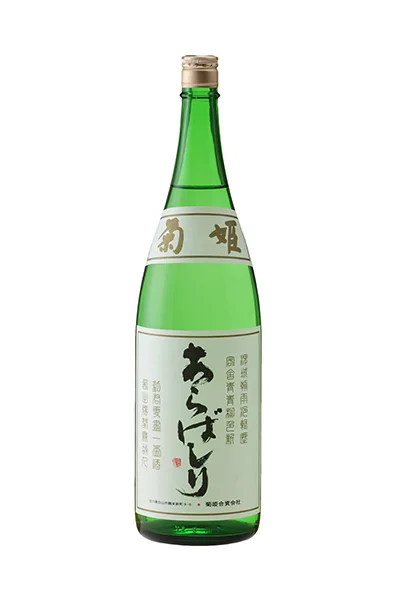
- Kikuhime Ginjo Arabashiri菊姫 吟醸あらばしり
- Kikuhime Tokusen Junmai菊姫 特撰純米
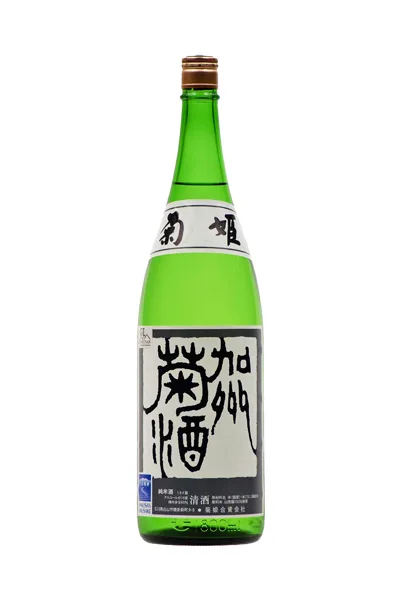
- Kikuhime Kashu Kikushu菊姫 加州菊酒
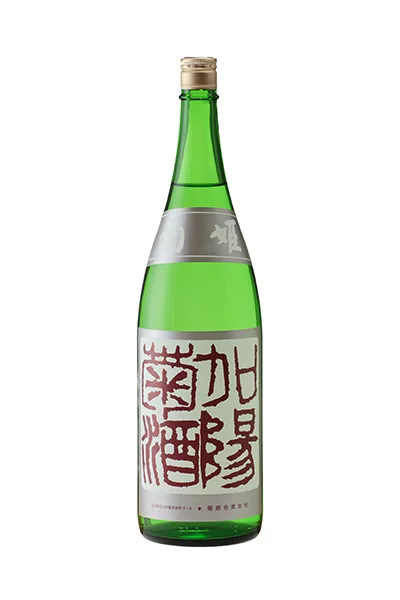
- Kikuhime Kayo Kikuzake菊姫 加陽菊酒
- Kikuhime Kiku菊姫 菊
- Kikuhime Kinken菊姫 金劒
- Kikuhime Ginjo菊姫 吟
- Kikuhime Kukurihime菊姫 菊理媛