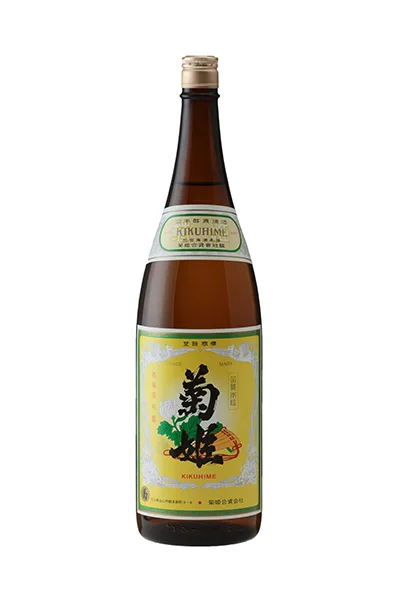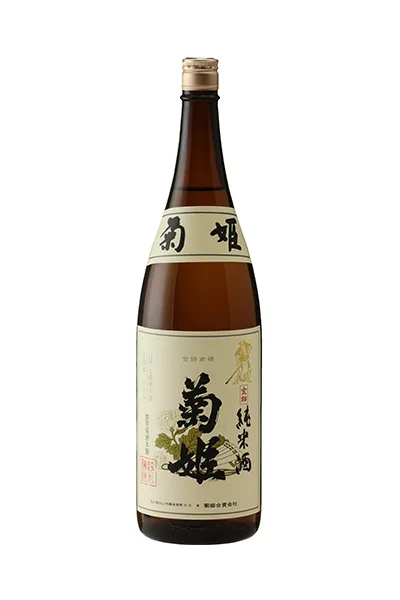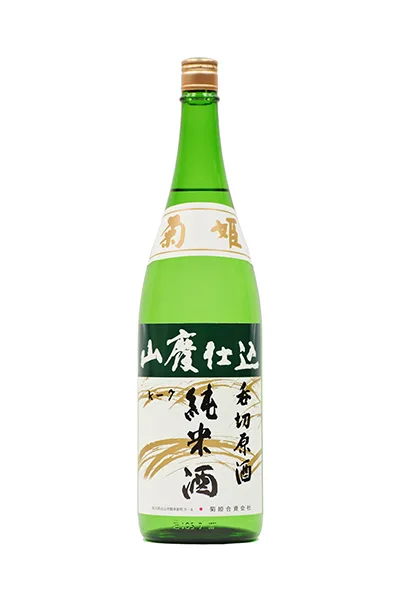
Kikuhime Yamahai Junmai Nomikiri Genshu
菊姫 山廃純米呑切原酒Junmai, Yamada Nishiki rice polished to 70%, yamahai starter, undiluted (genshu)
A summer limited release, available every July.
Specifications
- Type
- Junmai Shu
- Rice
- Yamada Nishiki
- Rice polishing ratio
- 70%30% of each grain polished away
- Yeast
- Not disclosed
- Alcohol
- 19–20%
How to read these
- Type
- The grade printed on the label. It depends on the ingredients (rice only, or with a little distilled alcohol) and on how far the rice is polished. More
- Rice
- The rice variety. Most premium sake uses varieties grown for brewing, such as Yamada Nishiki. More
- Rice polishing ratio
- How much of each grain is left after polishing. A lower number means more was milled away, which usually gives a lighter, more aromatic sake. More
- Yeast
- The yeast strain, which shapes the aroma. More
- Alcohol
- Alcohol by volume. Most sake is 15–16%; undiluted (genshu) sake is often 17–18%. More
Flavor profile Rich & umami
Rich & umami — rice-driven umami and a fuller body. Known in Japan as jun-shu (醇酒).
The condensed-milk and milk-candy aroma, together with the rich umami, full body and weighty finish typical of yamahai genshu at 70% polishing, points to a rich, restrained profile. The vivid acidity keeps sweetness moderate.
Estimated by AI from the published specifications and the brewery's description; your impression may differ.
About
Nomikiri (a sampling step in which a small amount of genshu is drawn from a storage tank that was pasteurized (heat sterilization) during the brewing season, to confirm that aging is progressing normally and without problems). Serving on the rocks or with soda is also recommended. It can also be stored in a cool, dark place for six months to one year before drinking, and there are many ways to enjoy it. A sweet aroma reminiscent of condensed milk or milk candy can be detected. The flavor opens with a rough yet vivid acidity, from which the rich umami derived from the rice gradually spreads across the palate. The finish has a satisfying weight, offering the powerful, substantial character typical of genshu.
Other sake from this brand 24
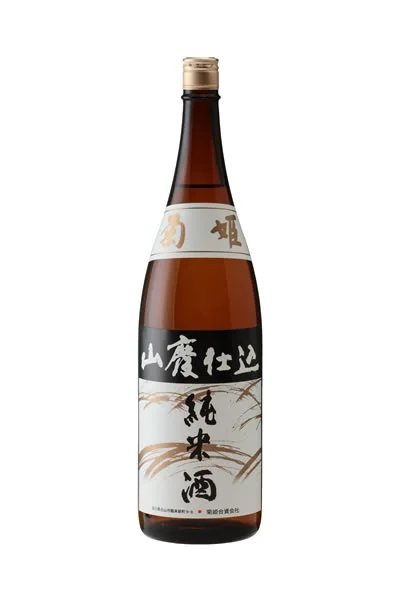
- Kikuhime Yamahai Junmai sake菊姫 山廃純米酒
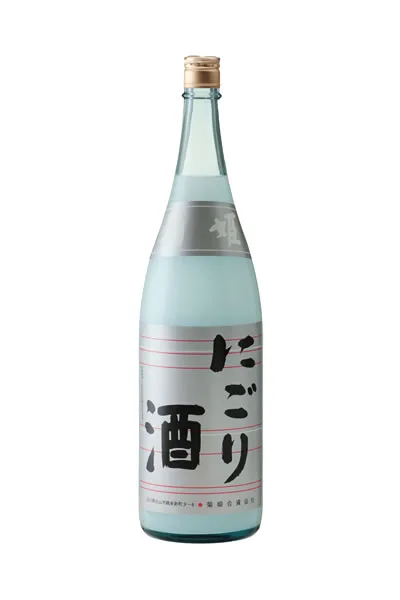
- Kikuhime Nigori菊姫 にごり酒
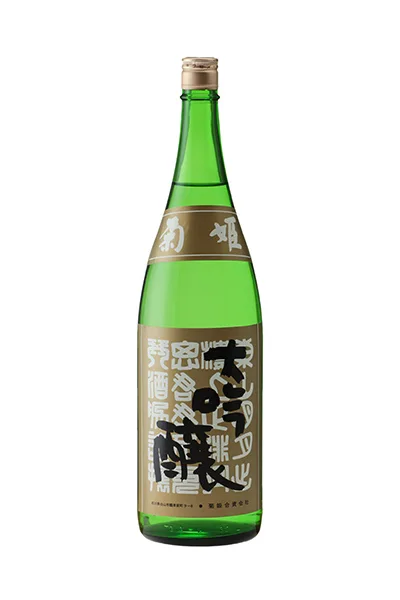
- Kikuhime B.Y. Daiginjo菊姫 B.Y.大吟醸
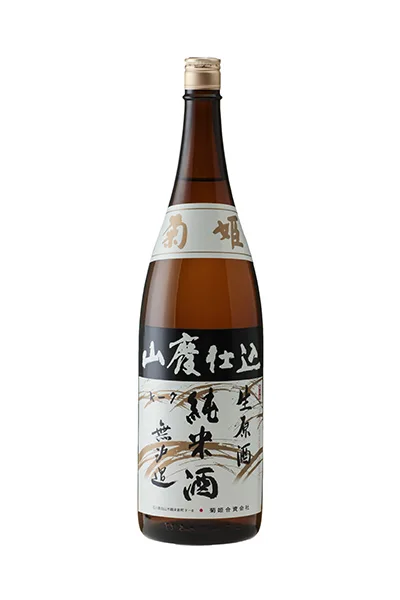
- Kikuhime Yamahai Junmai Muroka Nama Genshu菊姫 山廃純米無濾過生原酒
- Kikuhime Ginjo Arabashiri菊姫 吟醸あらばしり
- Kikuhime Tokusen Junmai菊姫 特撰純米
- Kikuhime Kashu Kikushu菊姫 加州菊酒
- Kikuhime Kayo Kikuzake菊姫 加陽菊酒
- Kikuhime Kiku菊姫 菊
- Kikuhime Kinken菊姫 金劒
- Kikuhime Ginjo菊姫 吟
- Kikuhime Kukurihime菊姫 菊理媛