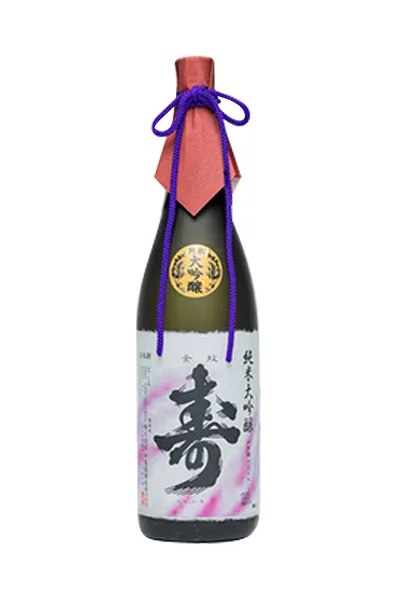
Kotobuki Junmai Daiginjo
寿 純米大吟醸Junmai daiginjo, Yamada Nishiki rice polished to 38%
Kotobuki — Nakajimaya Shuzojo, Yamaguchi
Floral aroma and refined sweetness.
Specifications
- Type
- Junmai Daiginjo
- Rice
- Yamada Nishiki
- Rice polishing ratio
- 38%62% of each grain polished away
- Yeast
- Not disclosed
- Alcohol
- 16%
- Sake meter value
- +2slightly dry
- Acidity
- 1.4
How to read these
- Type
- The grade printed on the label. It depends on the ingredients (rice only, or with a little distilled alcohol) and on how far the rice is polished. More
- Rice
- The rice variety. Most premium sake uses varieties grown for brewing, such as Yamada Nishiki. More
- Rice polishing ratio
- How much of each grain is left after polishing. A lower number means more was milled away, which usually gives a lighter, more aromatic sake. More
- Yeast
- The yeast strain, which shapes the aroma. More
- Alcohol
- Alcohol by volume. Most sake is 15–16%; undiluted (genshu) sake is often 17–18%. More
- Sake meter value
- A sweet-to-dry scale. Plus is drier, minus is sweeter. Acidity changes how it tastes, so treat it as a rough guide. More
- Acidity
- Total acid. Higher tends to taste fuller and drier; lower tastes lighter and sweeter. More
Flavor profile Aromatic & light
Aromatic & light — fruity, floral aroma with a light body. Known in Japan as kun-shu (薫酒).
A 38% polishing ratio and the described fruity, floral aroma point to a highly aromatic profile. SMV +2 with low acidity of 1.4 gives a soft, gently sweet, light-to-medium body supported by clear rice umami.
Estimated by AI from the published specifications and the brewery's description; your impression may differ.
About
This Junmai Daiginjo is brewed from Yamada Nishiki, a carefully selected, high-quality sake rice grown in the Zoga (造賀) district of Higashihiroshima city. It combines the best of junmai brewing and ginjo craftsmanship from Kamoizumi, using traditional techniques. This limited-quantity product was obtained solely by the fukuro-shibori (bag-pressing) method, in which the sake is pressed only by the weight of the moromi (fermentation mash) itself. A fragrance reminiscent of fruit harmonizes with the clear, beautiful umami of the rice, and its refined taste makes it a supreme cup. The calligraphy of the characters 「壽」 on the label was written by Kamitsukasa Kaiun, the 206th chief abbot of Todai-ji temple.
Other sake from this brand 4
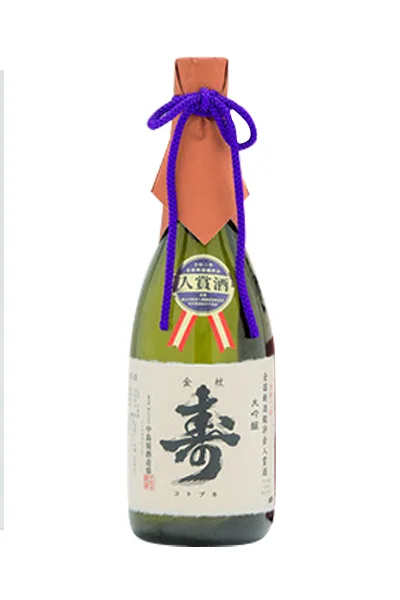
- Kotobuki Kinsho Jushoshu寿 金賞受賞酒
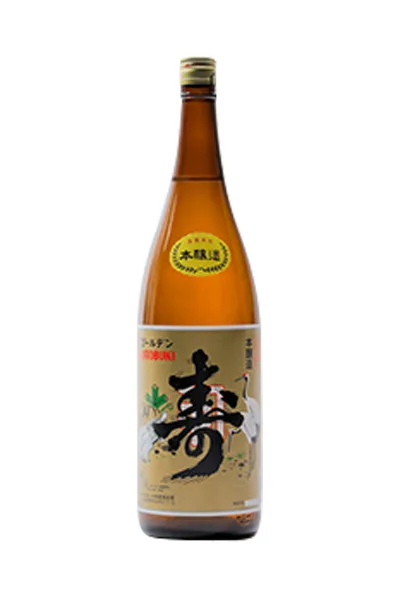
- Kotobuki Honjozo寿 本醸造
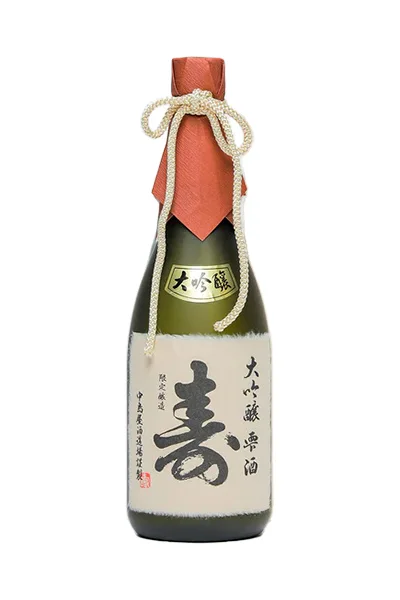
- Kotobuki (Yamaguchi) Daiginjo Shizuku-zake寿(山口県) 大吟醸 雫酒
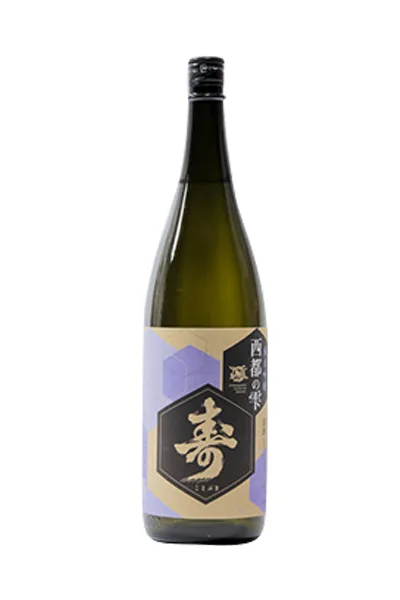
- Kotobuki Junmai Ginjo Saito no Shizuku寿 純米吟醸 西都の雫