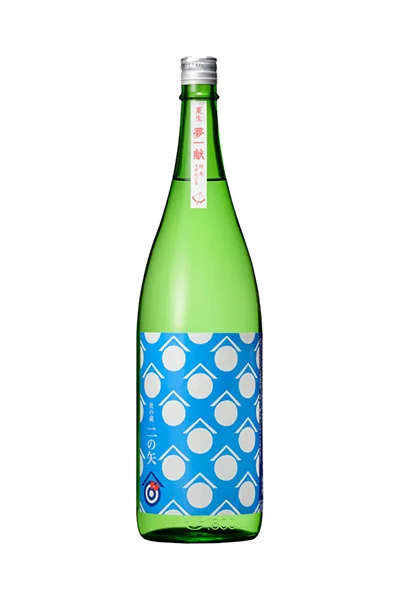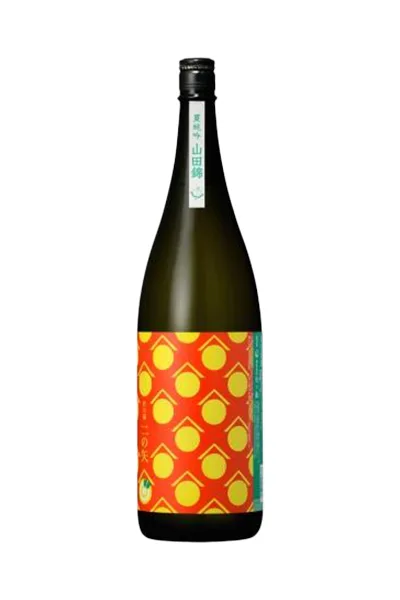
Morinokura Ni no Ya Yamada Nishiki
杜の蔵 二の矢 山田錦Junmai ginjo, Yamada Nishiki rice polished to 60%
Morinokura — Mori no Kura, Fukuoka
A Junmai Ginjo rested for several months in Hyoon Chozo (near-freezing storage) after pressing.
Specifications
- Type
- Junmai Ginjo
- Rice
- Not disclosed
- Rice polishing ratio
- 60%40% of each grain polished away
- Yeast
- Not disclosed
- Alcohol
- 14%
How to read these
- Type
- The grade printed on the label. It depends on the ingredients (rice only, or with a little distilled alcohol) and on how far the rice is polished. More
- Rice
- The rice variety. Most premium sake uses varieties grown for brewing, such as Yamada Nishiki. More
- Rice polishing ratio
- How much of each grain is left after polishing. A lower number means more was milled away, which usually gives a lighter, more aromatic sake. More
- Yeast
- The yeast strain, which shapes the aroma. More
- Alcohol
- Alcohol by volume. Most sake is 15–16%; undiluted (genshu) sake is often 17–18%. More
Flavor profile Aromatic & light
Aromatic & light — fruity, floral aroma with a light body. Known in Japan as kun-shu (薫酒).
The 60% polishing ratio, 14% alcohol, and descriptions of a light, refreshing palate with elegant aroma point to a moderately aromatic, light-bodied sake. The smooth umami mentioned adds a touch of richness without heaviness.
Estimated by AI from the published specifications and the brewery's description; your impression may differ.
About
Seasonal release (mid-May to around August), limited production. A light style that brings out the gradually emerging smoothness of its umami, along with a refreshing taste and a refined, elegant aroma and flavor.
Other sake from this brand 11
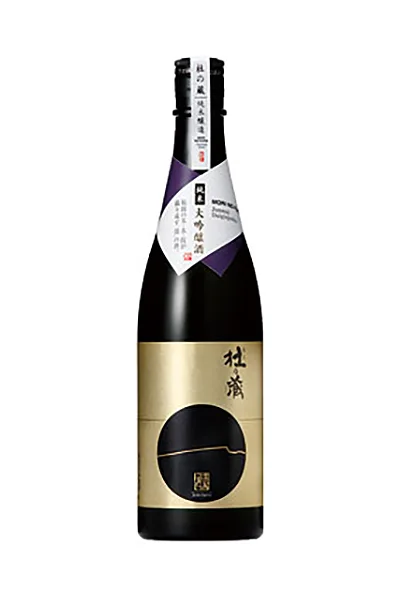
- Morinokura Junmai Daiginjo杜の蔵 純米大吟醸酒
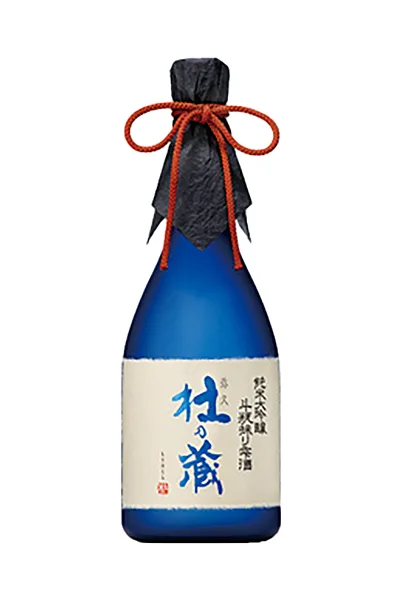
- Morinokura Junmai Daiginjo Tobin-dori Shizuku-zake杜の蔵 純米大吟醸 斗瓶採り雫酒
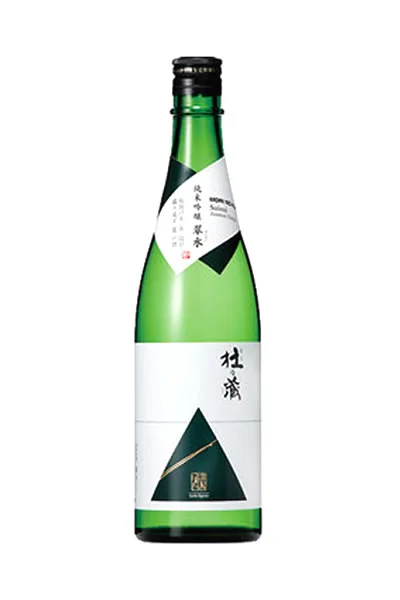
- Morinokura Junmai Ginjo Suisui杜の蔵 純米吟醸 翠水
- Morinokura Ninoya Yume Ikkon杜の蔵 二の矢 夢一献
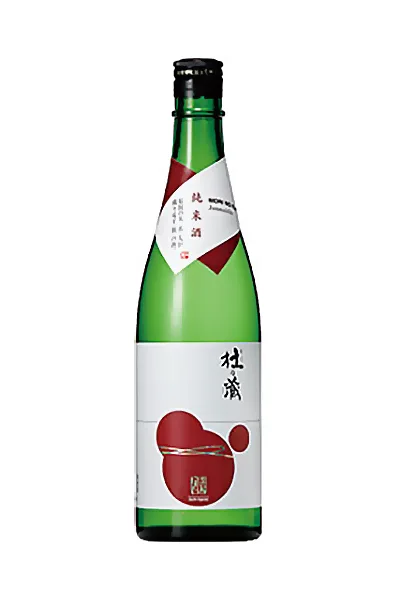
- Morinokura Junmai sake杜の蔵 純米酒
- Morinokura Junmai Ginjo Ichi no Ya杜の蔵 純米吟醸 一の矢
- Morinokura Junmai Namazake杜の蔵 純米生酒
- Morinokura Junmai Ginjo杜の蔵 純米吟醸酒
- Morinokura Junmai Ginjo Hiyaoroshi杜の蔵 純米吟醸 ひやおろし
- Morinokura Shiroi Junmai杜の蔵 白い純米
- Morinokura Junmai Ichi no Ya杜の蔵 純米 一の矢