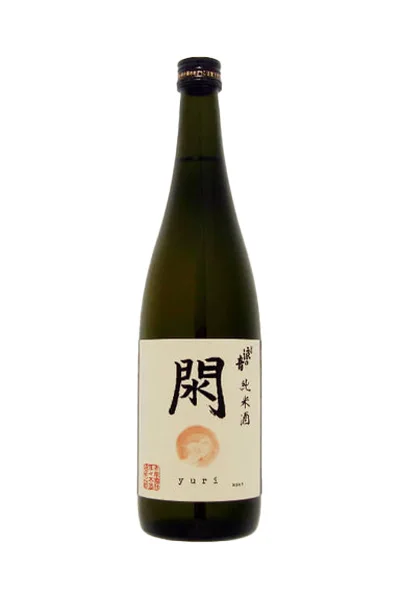
Naminoto Junmai sake Yuri
浪の音 純米酒 閖Junmai, rice polished to 60%
Naminoto — Sasaki Shuzoten, Miyagi
Through Yuri (閖), we hope the rice, water, and local products of Natori will reach many people. That is the wish behind this sake.
Specifications
- Type
- Junmai Shu
- Rice
- Not disclosed
- Rice polishing ratio
- 60%40% of each grain polished away
- Yeast
- Not disclosed
- Alcohol
- 15%
- Sake meter value
- +1medium
- Acidity
- 1.8
How to read these
- Type
- The grade printed on the label. It depends on the ingredients (rice only, or with a little distilled alcohol) and on how far the rice is polished. More
- Rice
- The rice variety. Most premium sake uses varieties grown for brewing, such as Yamada Nishiki. More
- Rice polishing ratio
- How much of each grain is left after polishing. A lower number means more was milled away, which usually gives a lighter, more aromatic sake. More
- Yeast
- The yeast strain, which shapes the aroma. More
- Alcohol
- Alcohol by volume. Most sake is 15–16%; undiluted (genshu) sake is often 17–18%. More
- Sake meter value
- A sweet-to-dry scale. Plus is drier, minus is sweeter. Acidity changes how it tastes, so treat it as a rough guide. More
- Acidity
- Total acid. Higher tends to taste fuller and drier; lower tastes lighter and sweeter. More
Flavor profile Clean & dry
Clean & dry — restrained aroma, crisp and refreshing. Known in Japan as so-shu (爽酒).
Sake-meter +1 and high acidity of 1.8 point to a dry-leaning, crisp profile, and the description of firm rice flavor with a light mouthfeel and sharp finish supports restrained aroma and light body. This places it in the so quadrant with moderate richness.
Estimated by AI from the published specifications and the brewery's description; your impression may differ.
About
Shortly after the disaster, a tank that had miraculously survived became the starting point of this sake, which was first sold as "Yuri" (閖) in 2012. The rice used is Hitomebore, harvested in the local city of Natori. The rice character comes through clearly, while the mouthfeel is light and the finish is crisp and clean, giving the sake a refreshing character.
Other sake from this brand 7
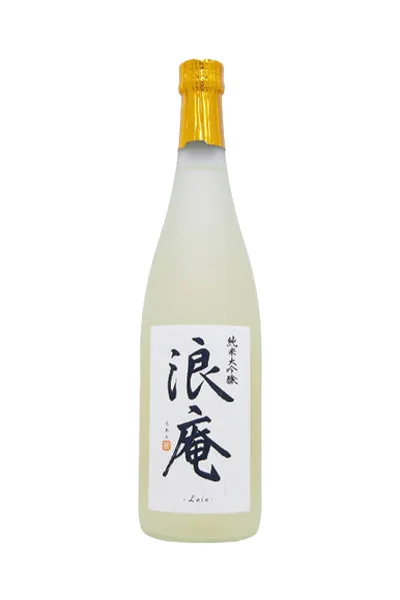
- Naminoto Junmai Daiginjo Roan浪の音 純米大吟醸 浪庵
- Naminoto Reiro浪の音 玲瓏
- Naminoto Genshu浪の音 原酒
- Naminoto Josen浪の音 上撰
- Naminoto Junmai浪の音 純米
- Naminoto Shiboritate no Nama Genshu浪の音 しぼりたての生原酒
- Naminoto Junmai sake Yuri Shinshu Gentei Origarami浪の音 純米酒 閖 新酒限定 おりがらみ