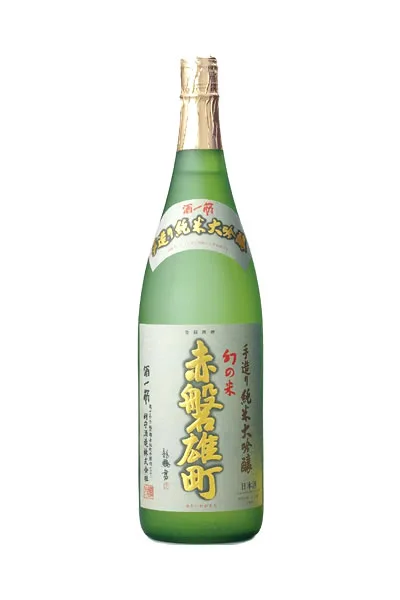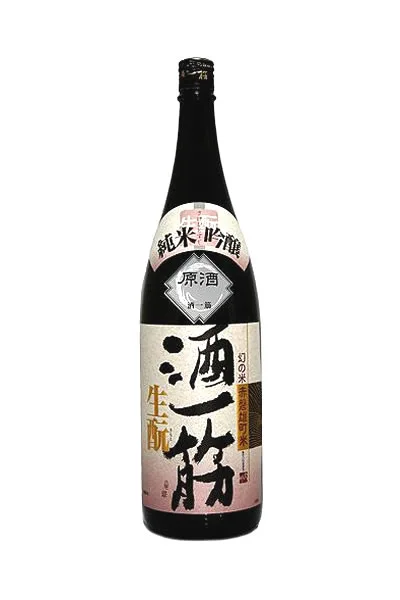
Sakehitosuji Kimoto Junmai Ginjo Genshu
酒一筋 生酛純米吟醸 原酒Junmai ginjo, Omachi rice polished to 60%, kimoto starter, undiluted (genshu)
Sakehitosuji — Toshimori Shuzo, Okayama
A Junmai Ginjo crafted through the labor-intensive kimoto method
Specifications
- Type
- Junmai Ginjo
- Rice
- Omachi
- Rice polishing ratio
- 60%40% of each grain polished away
- Yeast
- Not disclosed
- Alcohol
- 17%
- Sake meter value
- +3–+4dry
- Acidity
- 2
How to read these
- Type
- The grade printed on the label. It depends on the ingredients (rice only, or with a little distilled alcohol) and on how far the rice is polished. More
- Rice
- The rice variety. Most premium sake uses varieties grown for brewing, such as Yamada Nishiki. More
- Rice polishing ratio
- How much of each grain is left after polishing. A lower number means more was milled away, which usually gives a lighter, more aromatic sake. More
- Yeast
- The yeast strain, which shapes the aroma. More
- Alcohol
- Alcohol by volume. Most sake is 15–16%; undiluted (genshu) sake is often 17–18%. More
- Sake meter value
- A sweet-to-dry scale. Plus is drier, minus is sweeter. Acidity changes how it tastes, so treat it as a rough guide. More
- Acidity
- Total acid. Higher tends to taste fuller and drier; lower tastes lighter and sweeter. More
Flavor profile Rich & umami
Rich & umami — rice-driven umami and a fuller body. Known in Japan as jun-shu (醇酒).
Kimoto genshu with acidity 2, SMV +3 to +4 and 17% alcohol points to a full, rich body with moderate sweetness. The restrained ginjo aroma and the described clean finish place it in the jun quadrant.
Estimated by AI from the published specifications and the brewery's description; your impression may differ.
About
This Junmai Ginjo is made using kimoto-zukuri (the kimoto method, a traditional yeast-starter method handed down since the Edo period). Through complex steps and more than twice the usual time, natural lactic acid bacteria and yeast are cultivated and allowed to ferment. Kimoto brewing gives a rich, deep body and a clean, smooth finish, and the sake can be enjoyed chilled or warmed, according to preference.
Other sake from this brand 16
- Sakehitosuji Daiginjo Akaiwa Omachi酒一筋 大吟醸 赤磐雄町
- Sake Hitosuji Honjozo酒一筋 本醸造
- Sakehitosuji Jidai Okure酒一筋 時代おくれ
- Sake Hitosuji Junmai酒一筋 純米
- Sakehitosuji Junmai Daiginjo酒一筋 純米大吟醸酒
- Sakehitosuji Ginjo Nama Akaiwa Omachi酒一筋 吟醸生 赤磐雄町
- Sakehitosuji Junmai Daiginjo Kaiko Nihonshu酒一筋 純米大吟醸 懐古日本酒
- Sakehitosuji Akaiwa Omachi Arabashiri酒一筋 赤磐雄町 荒走り
- Sakehitosuji Hizo Koshu酒一筋 秘蔵古酒
- Sakehitosuji Katatsumuri酒一筋 かたつむり
- Sakehitosuji Junmai Jukusei Shu酒一筋 純米熟成酒
- Sakehitosuji Junmai Daiginjo Gonen Koshu酒一筋 純米大吟醸 五年古酒