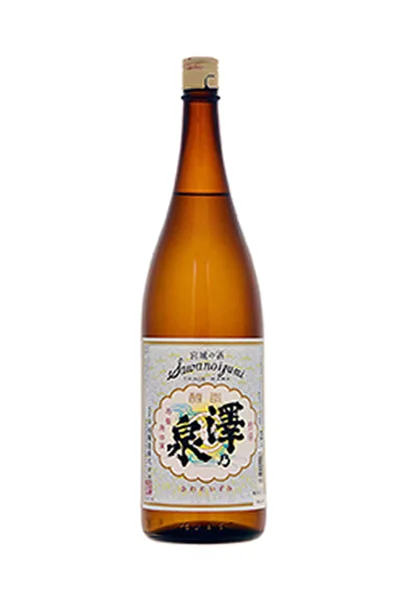
Sawanoizumi Miyagi no Sake
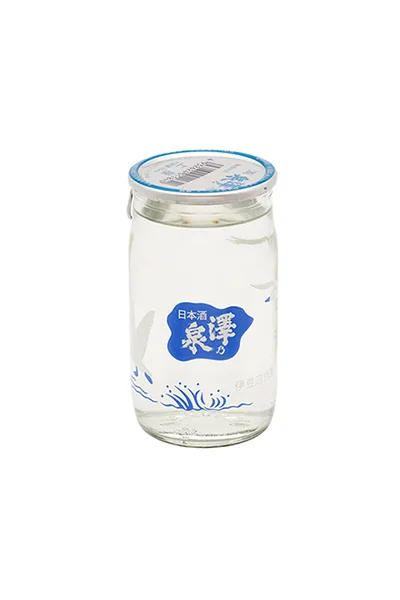
澤乃泉 宮城の酒Futsushu (table sake), rice polished to 60%
Sawanoizumi — Ishikoshi Jozo, Miyagi
A longtime local favorite since Sawanoizumi's debut, and still one of the region's most popular sakes.
Specifications
- Type
- Futsushu
- Rice
- Not disclosed
- Rice polishing ratio
- 60%40% of each grain polished away
- Yeast
- Not disclosed
- Alcohol
- 15.4%
- Sake meter value
- -1medium
How to read these
- Type
- The grade printed on the label. It depends on the ingredients (rice only, or with a little distilled alcohol) and on how far the rice is polished. More
- Rice
- The rice variety. Most premium sake uses varieties grown for brewing, such as Yamada Nishiki. More
- Rice polishing ratio
- How much of each grain is left after polishing. A lower number means more was milled away, which usually gives a lighter, more aromatic sake. More
- Yeast
- The yeast strain, which shapes the aroma. More
- Alcohol
- Alcohol by volume. Most sake is 15–16%; undiluted (genshu) sake is often 17–18%. More
- Sake meter value
- A sweet-to-dry scale. Plus is drier, minus is sweeter. Acidity changes how it tastes, so treat it as a rough guide. More
Flavor profile Clean & dry
Clean & dry — restrained aroma, crisp and refreshing. Known in Japan as so-shu (爽酒).
A sake-do of -1 and 60% polishing suggest restrained aroma and a mild, slightly sweet profile, and the description of a clean, easy-drinking character supports a light body. Its futsushu classification and suitability for both cold and warm service point to a soft, approachable style.
Estimated by AI from the published specifications and the brewery's description; your impression may differ.
About
Sawanoizumi is brewed from rice grown in the broad Tome farmlands and from clean, natural water of high quality. Its defining feature is that it has no distinctive quirks, with a smooth mouthfeel that makes it easy to drink. Its affordable price makes it mainly a sake for bansaku (evening drinking at home). It is enjoyed both chilled and warmed (kan), which keeps it popular throughout the year.
Other sake from this brand 12
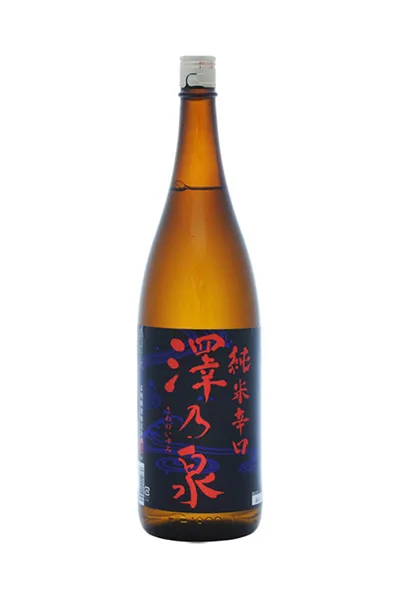
- Sawanoizumi Izunuma Hakucho澤乃泉 伊豆沼はくちょう
- Sawanoizumi Junmai Dry澤乃泉 純米辛口
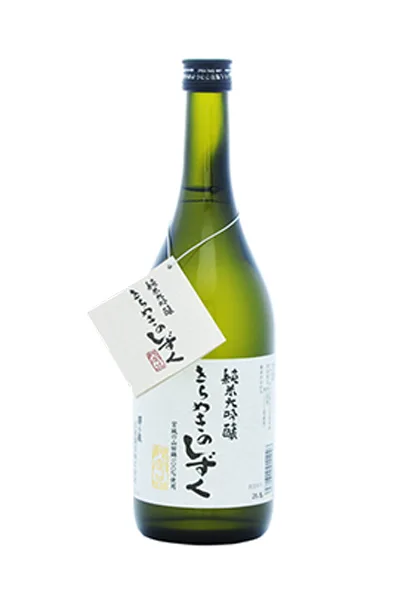
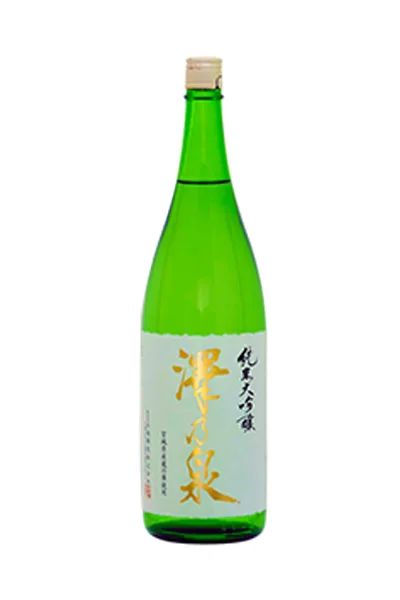
- Sawanoizumi Junmai Daiginjo Kirameki no Shizuku澤乃泉 純米大吟醸 きらめきのしずく
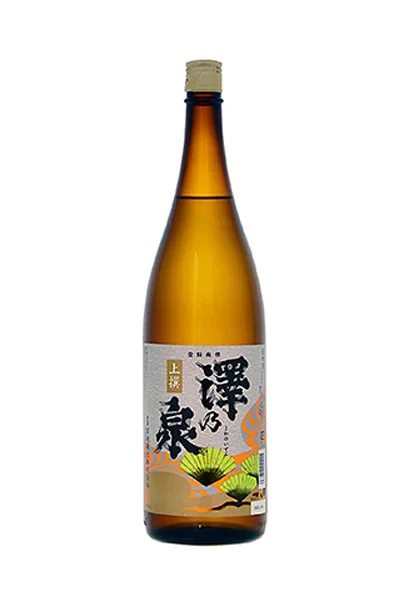
- Sawanoizumi Josen澤乃泉 上撰
- Sawanoizumi Junmai Daiginjo Kura no Hana澤乃泉 純米大吟醸 蔵の華
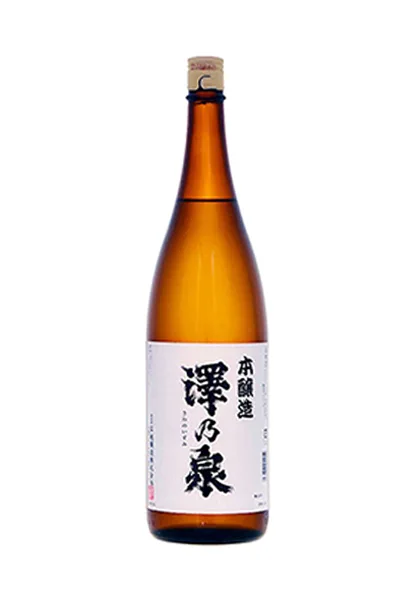
- Sawanoizumi Honjozo澤乃泉 本醸造
- Sawanoizumi Gentei Daiginjo澤乃泉 限定 大吟醸
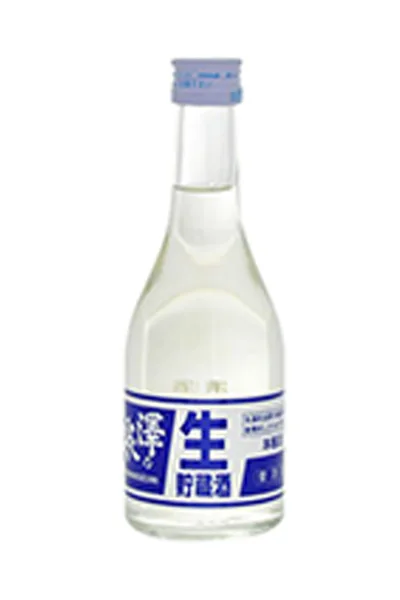
- Sawanoizumi Namachozo澤乃泉 生貯蔵酒
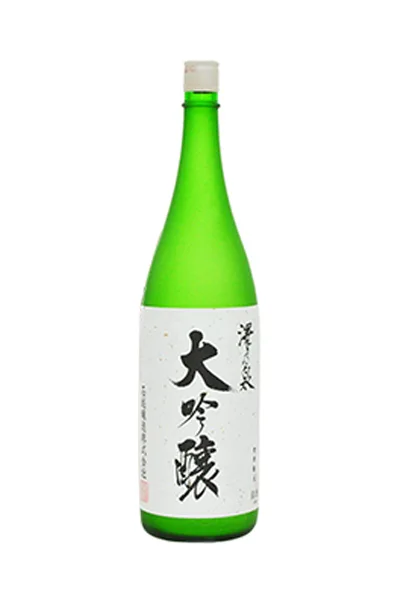
- Sawanoizumi Daiginjo澤乃泉 大吟醸
- Sawanoizumi Tokubetsu Junmai Sasanishiki澤乃泉 特別純米酒 ササニシキ
- Sawanoizumi Tokubetsu Junmai Hitomebore澤乃泉 特別純米酒 ひとめぼれ
- Sawanoizumi Josen Oiwai澤乃泉 上撰 御祝