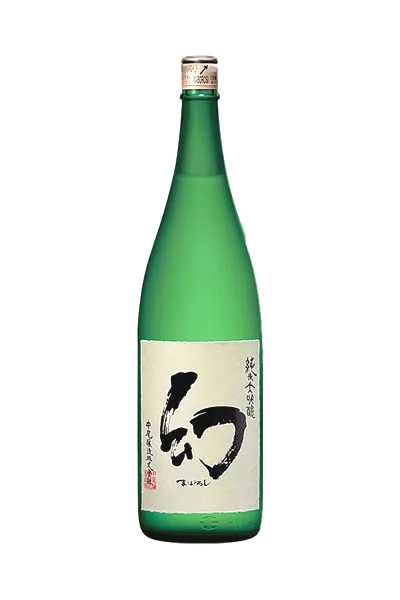
Seikyo Junmai Daiginjo Maboroshi Akabako
誠鏡 純米大吟醸 まぼろし赤箱Junmai daiginjo, Yamada Nishiki rice polished to 45%
Seikyo — Nakao Jozo, Hiroshima
A fruity Genshu brewed with a closely guarded apple yeast, the ultimate masterpiece
Specifications
- Type
- Junmai Daiginjo
- Rice
- Yamada Nishiki
- Rice polishing ratio
- 45%55% of each grain polished away
- Yeast
- Not disclosed
- Alcohol
- 16%
- Sake meter value
- +0.1medium
- Acidity
- 1.4
How to read these
- Type
- The grade printed on the label. It depends on the ingredients (rice only, or with a little distilled alcohol) and on how far the rice is polished. More
- Rice
- The rice variety. Most premium sake uses varieties grown for brewing, such as Yamada Nishiki. More
- Rice polishing ratio
- How much of each grain is left after polishing. A lower number means more was milled away, which usually gives a lighter, more aromatic sake. More
- Yeast
- The yeast strain, which shapes the aroma. More
- Alcohol
- Alcohol by volume. Most sake is 15–16%; undiluted (genshu) sake is often 17–18%. More
- Sake meter value
- A sweet-to-dry scale. Plus is drier, minus is sweeter. Acidity changes how it tastes, so treat it as a rough guide. More
- Acidity
- Total acid. Higher tends to taste fuller and drier; lower tastes lighter and sweeter. More
Flavor profile Aromatic & light
Aromatic & light — fruity, floral aroma with a light body. Known in Japan as kun-shu (薫酒).
A 45% polished junmai daiginjo described as rich in fruity aroma from apple yeast, so aroma is high. An SMV of +0.1 and acidity of 1.4 suggest mid-level sweetness, and the clear, transparent character points to a light body with moderate richness.
Estimated by AI from the published specifications and the brewery's description; your impression may differ.
About
Kiyomaro Nakao, the fourth-generation head of the brewery, visited breweries across Japan and collected countless yeasts. In 1947 he discovered a yeast isolated from apple skin, which became known as apple yeast (ringo kobo). The brewery's closely guarded apple yeast produces a Ginjo sake with a fragrant, fruity aroma and a beautifully rounded body. That sake took first place at a nationwide sake competition in 1948. Twenty-five years later, in 1974, the brewery faithfully revived it as the Daiginjo Maboroshi ("phantom"). Carefully selected sake rice is milled to a high polishing ratio, and techniques handed down in secret within this brewery, including the use of apple yeast, are applied to produce this Junmai Daiginjo Genshu rich in fruit aromas. This clear, transparent Junmai Ginjo has a refined flavor that brings out the taste of delicate dishes many times over. Chilled sake is recommended, though it can also be enjoyed at room temperature.
Other sake from this brand 7
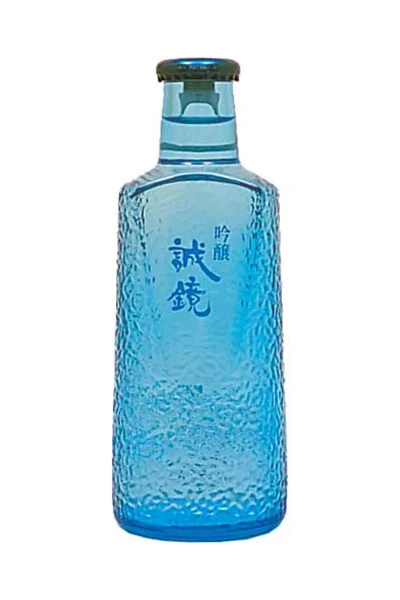
- Seikyo Ginjo Share Bottle誠鏡 吟醸 シャレボトル
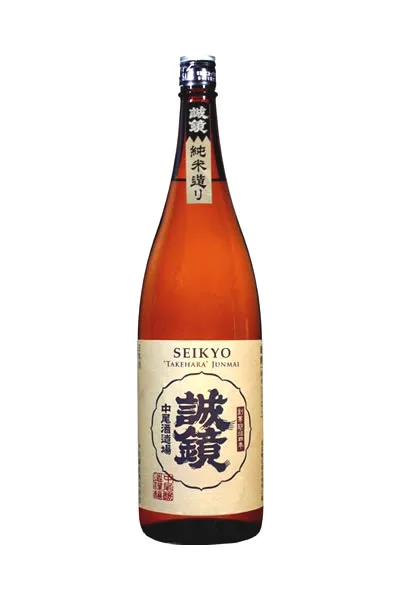
- Seikyo Junmai Takehara誠鏡 純米 たけはら
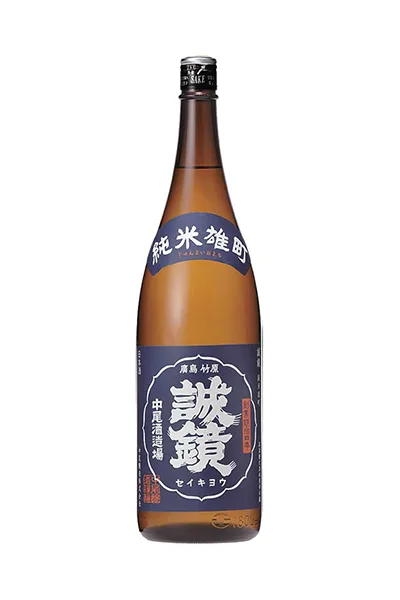
- Seikyo Tokujo Junmai Omachi誠鏡 特醸純米 雄町
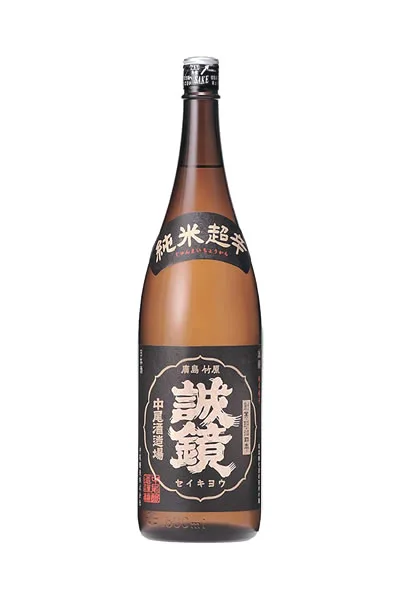
- Seikyo Junmai Cho-karakuchi誠鏡 純米超辛口
- Seikyo Arashibori誠鏡 あらしぼり
- Seikyo Junmai Dento Tezukuri誠鏡 純米 伝統手造り
- Seikyo Takehara Shimaya Gentei-shu誠鏡 竹原 シマヤ限定酒