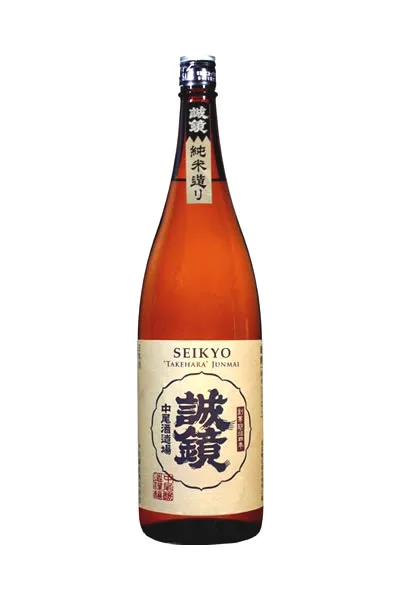
Seikyo Junmai Takehara
誠鏡 純米 たけはらJunmai, rice polished to 65%
Seikyo — Nakao Jozo, Hiroshima
A gently sweet junmai sake that draws out the rich umami of koji Smooth on the palate, with a mellow, versatile character
Specifications
- Type
- Junmai Shu
- Rice
- Not disclosed
- Rice polishing ratio
- 65%35% of each grain polished away
- Yeast
- Kyokai No. 10
- Alcohol
- 15.4%
- Sake meter value
- -1medium
- Acidity
- 1.4
How to read these
- Type
- The grade printed on the label. It depends on the ingredients (rice only, or with a little distilled alcohol) and on how far the rice is polished. More
- Rice
- The rice variety. Most premium sake uses varieties grown for brewing, such as Yamada Nishiki. More
- Rice polishing ratio
- How much of each grain is left after polishing. A lower number means more was milled away, which usually gives a lighter, more aromatic sake. More
- Yeast
- The yeast strain, which shapes the aroma. More
- Alcohol
- Alcohol by volume. Most sake is 15–16%; undiluted (genshu) sake is often 17–18%. More
- Sake meter value
- A sweet-to-dry scale. Plus is drier, minus is sweeter. Acidity changes how it tastes, so treat it as a rough guide. More
- Acidity
- Total acid. Higher tends to taste fuller and drier; lower tastes lighter and sweeter. More
Flavor profile Rich & umami
Rich & umami — rice-driven umami and a fuller body. Known in Japan as jun-shu (醇酒).
SMV -1, acidity 1.4 and the description's slightly sweet, koji-umami-driven and mellowed character point to restrained aroma, a fuller body and moderate sweetness, placing it in the jun quadrant.
Estimated by AI from the published specifications and the brewery's description; your impression may differ.
About
Returning to the essence of sake, this junmai sake has been brewed since the brewery's founding as the foundation of Nakao Sake Brewery, and it is a point of pride for the brewery. Its label has been revived in the lettering style used until the early Showa era. It is slightly sweet, with a gentle mouthfeel that fully draws out the umami of koji. Even after brewing, it is aged for an extended period to give it a mellow finish. Well balanced from chilled to hot-warmed (atsukan), this versatile sake shows a broad range of character.
Other sake from this brand 7
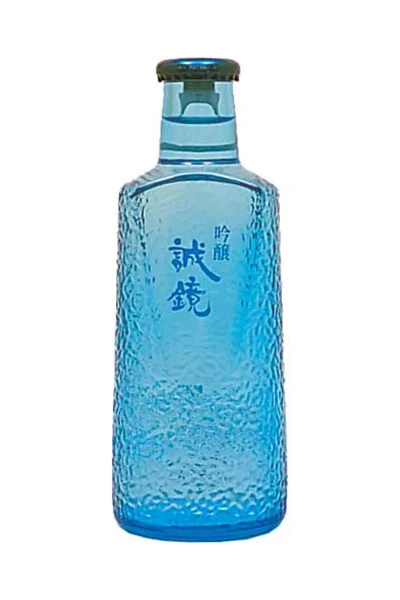
- Seikyo Ginjo Share Bottle誠鏡 吟醸 シャレボトル
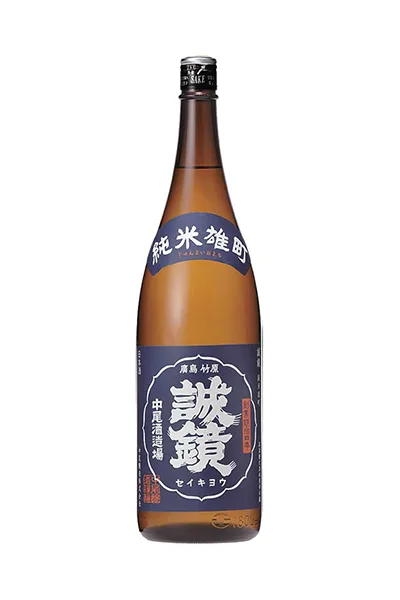
- Seikyo Tokujo Junmai Omachi誠鏡 特醸純米 雄町
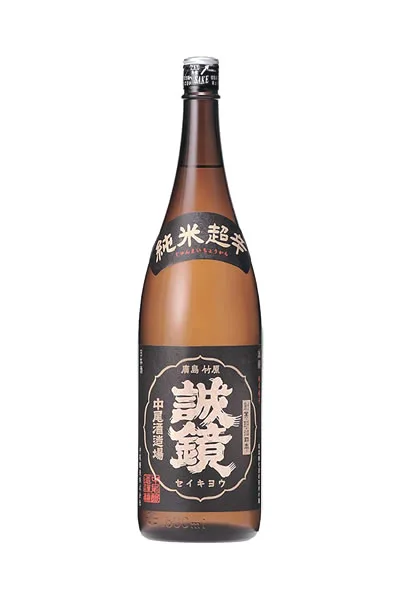
- Seikyo Junmai Cho-karakuchi誠鏡 純米超辛口
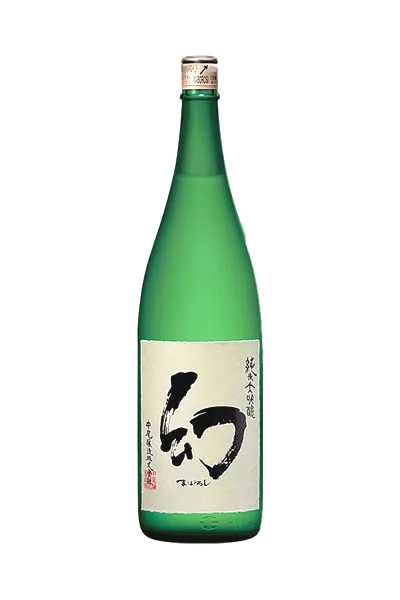
- Seikyo Junmai Daiginjo Maboroshi Akabako誠鏡 純米大吟醸 まぼろし赤箱
- Seikyo Arashibori誠鏡 あらしぼり
- Seikyo Junmai Dento Tezukuri誠鏡 純米 伝統手造り
- Seikyo Takehara Shimaya Gentei-shu誠鏡 竹原 シマヤ限定酒