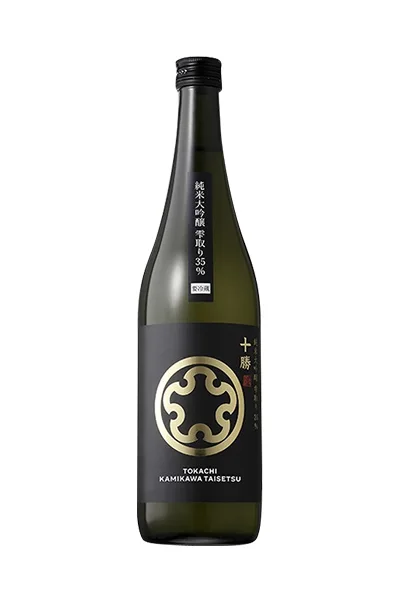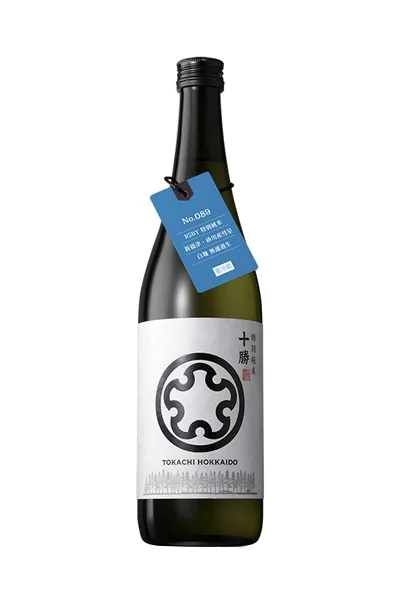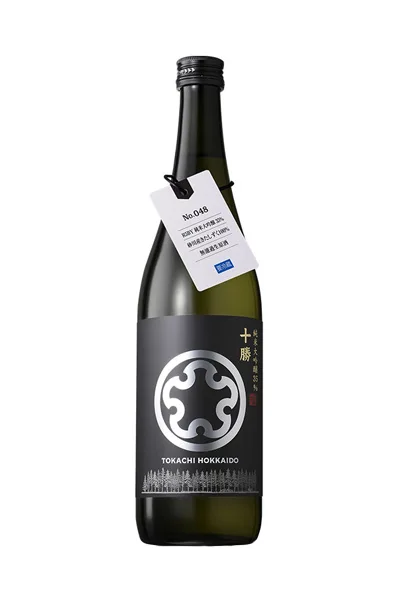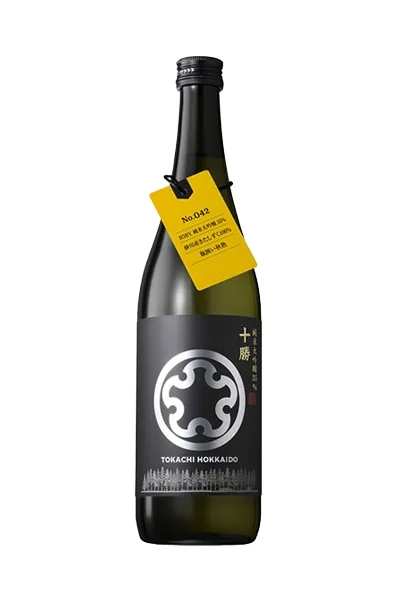
Tokachi Sunagawa Kitashizuku Junmai Daiginjo 35% Binkakoi Akijuku
十勝 砂川産きたしずく 純米大吟醸35% 瓶囲い秋熟Junmai daiginjo, Kitashizuku rice polished to 35%, stored in bottles
Tokachi — Kamikawa Taisetsu Sake Brewery, Hokkaido
A summer of quiet bottle aging in ice-temperature storage: Tokachi Junmai Daiginjo, polished to 35%.
Specifications
- Type
- Junmai Daiginjo
- Rice
- Kitashizuku
- Rice polishing ratio
- 35%65% of each grain polished away
- Yeast
- Not disclosed
- Alcohol
- 16%
How to read these
- Type
- The grade printed on the label. It depends on the ingredients (rice only, or with a little distilled alcohol) and on how far the rice is polished. More
- Rice
- The rice variety. Most premium sake uses varieties grown for brewing, such as Yamada Nishiki. More
- Rice polishing ratio
- How much of each grain is left after polishing. A lower number means more was milled away, which usually gives a lighter, more aromatic sake. More
- Yeast
- The yeast strain, which shapes the aroma. More
- Alcohol
- Alcohol by volume. Most sake is 15–16%; undiluted (genshu) sake is often 17–18%. More
Flavor profile Full & complex
Full & complex — aromatic and full-bodied, including aged sake. Known in Japan as juku-shu (熟酒).
The 35% polish and fruity, floral ginjo aroma place it clearly on the aromatic side, while summer ageing adds roundness and umami that lift body slightly above zero. Crisp acidity keeps the sweetness moderate.
Estimated by AI from the published specifications and the brewery's description; your impression may differ.
About
[Message from Toji Wakayama] The last brew of this season in our No. series, Tokachi Junmai Daiginjo 35%, has rested quietly in the bottle through the summer in hyon (ice-temperature storage, held just below freezing). 35% polishing gives this sake a fruity, fragrant aroma. Over the summer, the umami and sweetness of the sake rice and its crisp, clean acidity have matured, and the sake has become rounder and richer. Its full aroma and calm, gently expanding umami pair well not only with the sake on its own but also with autumn ingredients with natural sweetness and savoriness, such as chestnut rice (kuri gohan), clay-pot steamed dishes (dobin mushi), and grilled salted saury with grated daikon radish. On an autumn evening, enjoy the ginjo aroma slowly from a wine glass, or warm it to hitohada-kan (body-temperature warming) and savor the lingering finish from a wide-mouthed sakazuki cup. That is where this sake shows its true character.
Other sake from this brand 7
- Tokachi Junmai十勝 純米
- Tokachi Junmai Daiginjo十勝 純米大吟醸
- Tokachi Junmai Ginjo十勝 純米吟醸
- Tokachi Junmai Daiginjo 35% Sunagawa Suisei Origarami Shizutori十勝 純米大吟醸35% 砂川産彗星 おりがらみ雫取り
- Tokachi Shinshinotsu Sunagawa Suisei Tokubetsu Junmai Shirokoji Muroka Namazake十勝 新篠津・砂川産彗星 特別純米 白麹 無濾過生酒
- Tokachi Sunagawa-grown Kitashizuku Junmai Daiginjo 35% Muroka Nama Genshu十勝 砂川産きたしずく 純米大吟醸35% 無濾過生原酒
- Tokachi Tokubetsu Junmai十勝 特別純米