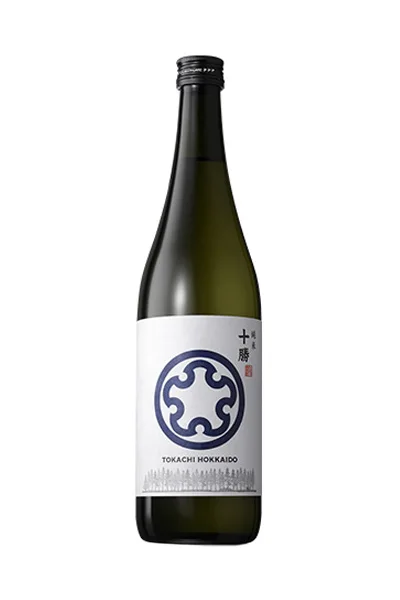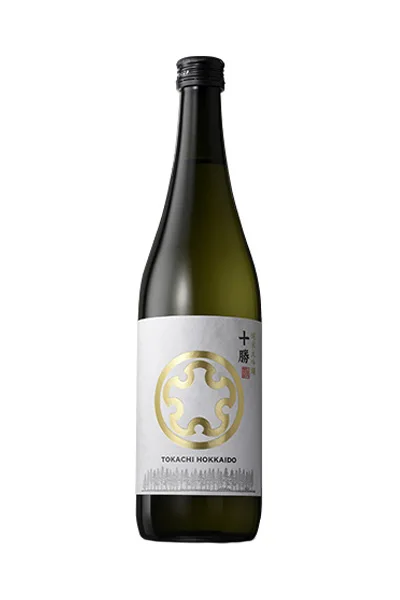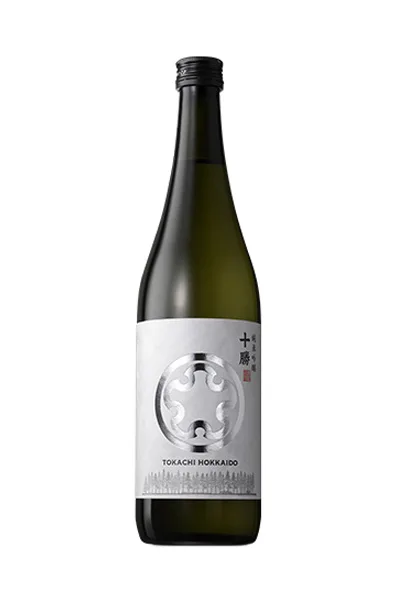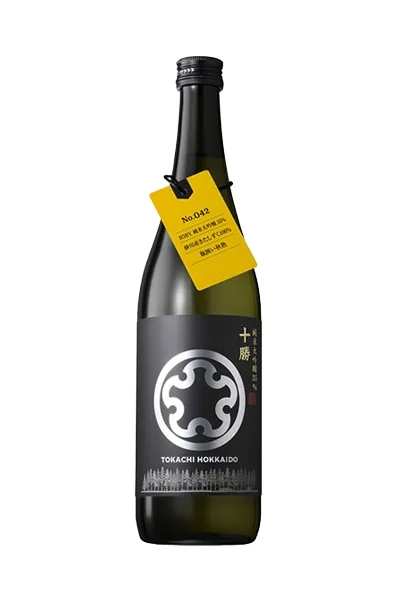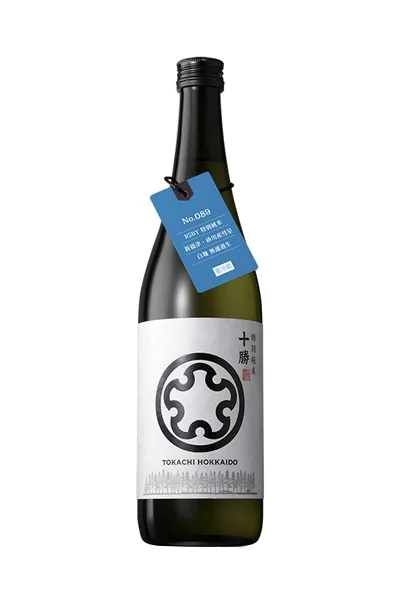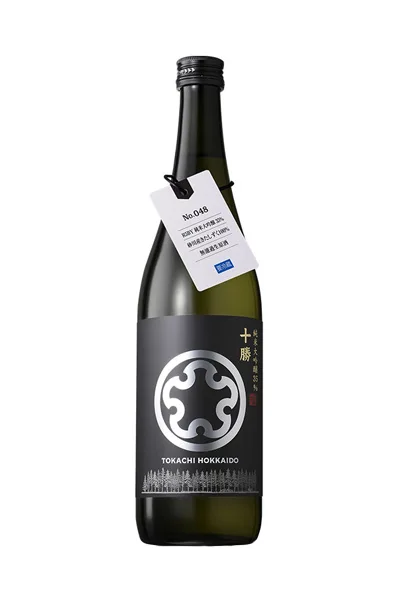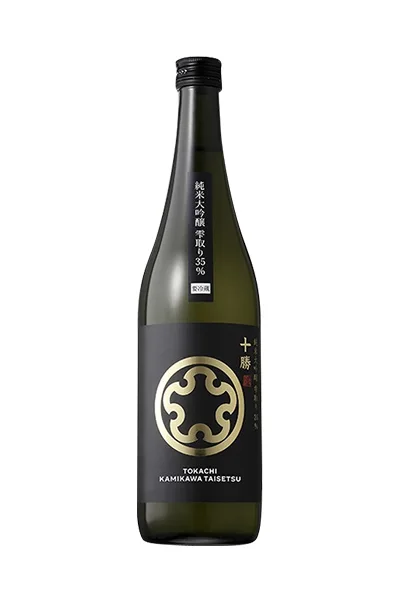
Tokachi Junmai Daiginjo 35% Sunagawa Suisei Origarami Shizutori
十勝 純米大吟醸35% 砂川産彗星 おりがらみ雫取りJunmai daiginjo, Suisei rice polished to 35%, drip-pressed from hanging bags (shizuku), lightly cloudy (origarami)
Tokachi — Kamikawa Taisetsu Sake Brewery, Hokkaido
A rare bottling of Kitashizuku rice polished to 35%, its origarami settling like pearls at the base of the bottle.
Specifications
- Type
- Junmai Daiginjo
- Rice
- Suisei
- Rice polishing ratio
- 35%65% of each grain polished away
- Yeast
- Not disclosed
- Alcohol
- 16%
How to read these
- Type
- The grade printed on the label. It depends on the ingredients (rice only, or with a little distilled alcohol) and on how far the rice is polished. More
- Rice
- The rice variety. Most premium sake uses varieties grown for brewing, such as Yamada Nishiki. More
- Rice polishing ratio
- How much of each grain is left after polishing. A lower number means more was milled away, which usually gives a lighter, more aromatic sake. More
- Yeast
- The yeast strain, which shapes the aroma. More
- Alcohol
- Alcohol by volume. Most sake is 15–16%; undiluted (genshu) sake is often 17–18%. More
Flavor profile Aromatic & light
Aromatic & light — fruity, floral aroma with a light body. Known in Japan as kun-shu (薫酒).
The 35% polished junmai daiginjo is described with restrained yet floral ginjo aroma, superb sweetness, refined acidity, and a crisp finish. The origarami sediment adds a mellow texture, placing it in the aromatic, light-to-medium zone.
Estimated by AI from the published specifications and the brewery's description; your impression may differ.
About
A restrained yet elegant ginjo aroma, exquisite sweetness, and refined acidity come together pleasantly on the palate, along with the firm, clean finish (kire) characteristic of Hekiun-gura. The white sediment known as ori settles at the bottom of the bottle, 2 to 3 cm deep, like a light snowfall. The bright aroma that rises when first poured (uwadachi-ka) is that of a daiginjo, and the subtly refined sweetness on the palate is the hallmark of shizutori, the free-run drip method. Pouring only the clear liquid from the top into a glass lets you enjoy it as a pure shizutori junmai daiginjo. Alternatively, gently shake the bottle to blend the sediment throughout the sake. The result is a thick, velvety texture in which the lees spread across the palate, and you can luxuriously savor the mellow ginjo aroma that lingers afterward. Please try it on this special occasion.
Other sake from this brand 7
- Tokachi Junmai十勝 純米
- Tokachi Junmai Daiginjo十勝 純米大吟醸
- Tokachi Junmai Ginjo十勝 純米吟醸
- Tokachi Sunagawa Kitashizuku Junmai Daiginjo 35% Binkakoi Akijuku十勝 砂川産きたしずく 純米大吟醸35% 瓶囲い秋熟
- Tokachi Shinshinotsu Sunagawa Suisei Tokubetsu Junmai Shirokoji Muroka Namazake十勝 新篠津・砂川産彗星 特別純米 白麹 無濾過生酒
- Tokachi Sunagawa-grown Kitashizuku Junmai Daiginjo 35% Muroka Nama Genshu十勝 砂川産きたしずく 純米大吟醸35% 無濾過生原酒
- Tokachi Tokubetsu Junmai十勝 特別純米