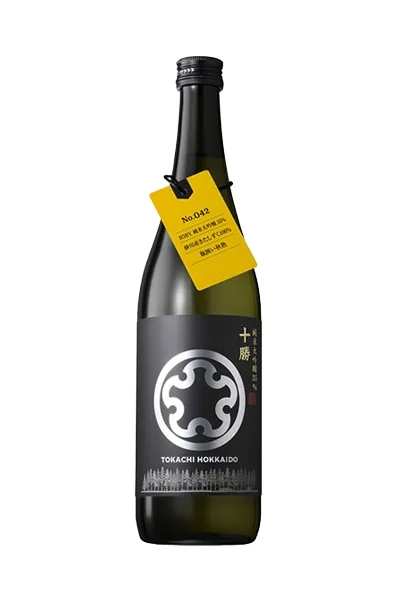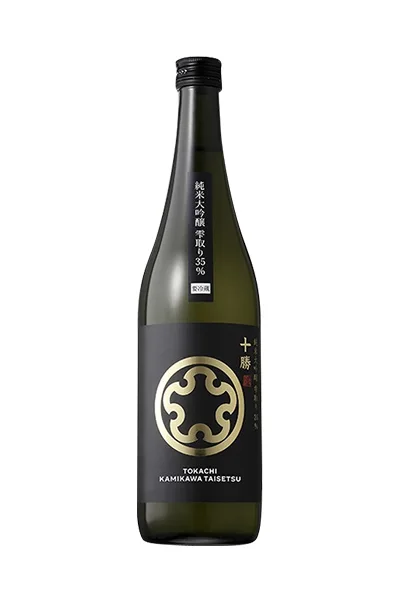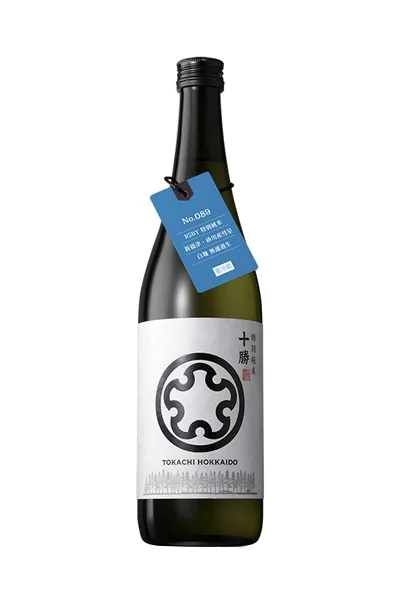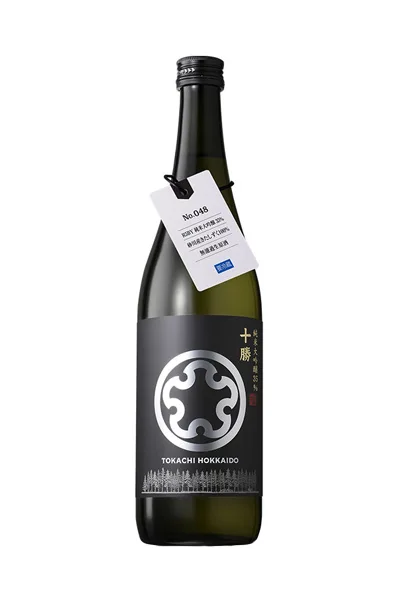
Tokachi Sunagawa-grown Kitashizuku Junmai Daiginjo 35% Muroka Nama Genshu
十勝 砂川産きたしずく 純米大吟醸35% 無濾過生原酒Junmai daiginjo, Kitashizuku rice polished to 35%, unfiltered, unpasteurized and undiluted (muroka nama genshu)
Tokachi — Kamikawa Taisetsu Sake Brewery, Hokkaido
Soft and well-layered, with a smooth, gentle aroma and flavor that spreads on the palate. An unfiltered, undiluted sake that balances a hint of rustic edge with lively freshness.
Specifications
- Type
- Junmai Daiginjo
- Rice
- Kitashizuku
- Rice polishing ratio
- 35%65% of each grain polished away
- Yeast
- Not disclosed
- Alcohol
- 16%
How to read these
- Type
- The grade printed on the label. It depends on the ingredients (rice only, or with a little distilled alcohol) and on how far the rice is polished. More
- Rice
- The rice variety. Most premium sake uses varieties grown for brewing, such as Yamada Nishiki. More
- Rice polishing ratio
- How much of each grain is left after polishing. A lower number means more was milled away, which usually gives a lighter, more aromatic sake. More
- Yeast
- The yeast strain, which shapes the aroma. More
- Alcohol
- Alcohol by volume. Most sake is 15–16%; undiluted (genshu) sake is often 17–18%. More
Flavor profile Full & complex
Full & complex — aromatic and full-bodied, including aged sake. Known in Japan as juku-shu (熟酒).
A 35% polished junmai daiginjo at 16% genshu, and the description of a soft, well-filled body with depth and smooth texture points to moderate aroma and body. The slight roughness and freshness of muroka nama keeps it lively rather than heavy.
Estimated by AI from the published specifications and the brewery's description; your impression may differ.
About
[Message from Toji (master brewer) Wakayama] This year's rice is slow to dissolve, and when it is polished to 35%, it becomes harder to bring out depth and breadth of flavor. We need to adjust how water is absorbed into the rice, the amount of koji mold sprinkled, and the temperature of the moromi (fermentation mash). That said, the key elements of sake making, such as koji production and the vigor of moromi fermentation, will remain unchanged. We will craft a premier 35% junmai daiginjo that brings together the skill and finesse of the Hekiun-gura brewery.
Other sake from this brand 7
- Tokachi Junmai十勝 純米
- Tokachi Junmai Daiginjo十勝 純米大吟醸
- Tokachi Junmai Ginjo十勝 純米吟醸
- Tokachi Sunagawa Kitashizuku Junmai Daiginjo 35% Binkakoi Akijuku十勝 砂川産きたしずく 純米大吟醸35% 瓶囲い秋熟
- Tokachi Junmai Daiginjo 35% Sunagawa Suisei Origarami Shizutori十勝 純米大吟醸35% 砂川産彗星 おりがらみ雫取り
- Tokachi Shinshinotsu Sunagawa Suisei Tokubetsu Junmai Shirokoji Muroka Namazake十勝 新篠津・砂川産彗星 特別純米 白麹 無濾過生酒
- Tokachi Tokubetsu Junmai十勝 特別純米