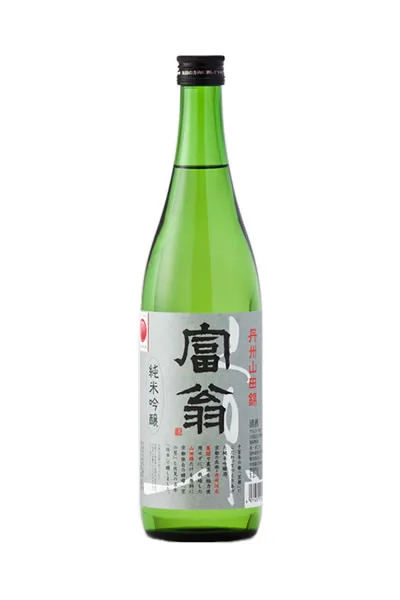
Tomio Junmai Ginjo Tanshu Yamada Nishiki
富翁 純米吟醸 丹州山田錦Junmai ginjo, Yamada Nishiki rice polished to 55%
Tomio — Kitagawa Honke, Kyoto
A Junmai Ginjo sake devoted to the spirit of Kyoto
Specifications
- Type
- Junmai Ginjo
- Rice
- Yamada Nishiki
- Rice polishing ratio
- 55%45% of each grain polished away
- Yeast
- Not disclosed
- Alcohol
- 15%
- Sake meter value
- +1medium
How to read these
- Type
- The grade printed on the label. It depends on the ingredients (rice only, or with a little distilled alcohol) and on how far the rice is polished. More
- Rice
- The rice variety. Most premium sake uses varieties grown for brewing, such as Yamada Nishiki. More
- Rice polishing ratio
- How much of each grain is left after polishing. A lower number means more was milled away, which usually gives a lighter, more aromatic sake. More
- Yeast
- The yeast strain, which shapes the aroma. More
- Alcohol
- Alcohol by volume. Most sake is 15–16%; undiluted (genshu) sake is often 17–18%. More
- Sake meter value
- A sweet-to-dry scale. Plus is drier, minus is sweeter. Acidity changes how it tastes, so treat it as a rough guide. More
Flavor profile Rich & umami
Rich & umami — rice-driven umami and a fuller body. Known in Japan as jun-shu (醇酒).
The description's gentle rice aroma and umami, together with 55% polishing and SMV +1, point to a restrained, umami-led profile with mild sweetness. The ginjo label suggests only a light aromatic lift.
Estimated by AI from the published specifications and the brewery's description; your impression may differ.
About
Brewed with Yamada Nishiki rice grown by Tanshu Kawakita Farm (丹州河北農園) in Ayabe City, Kyoto Prefecture, using Kyo no Koto yeast developed in Kyoto, and water from Fushimi, the renowned spring water known as Fushimi (伏水), this Junmai Ginjo sake is shaped by its Kyoto origins. Brewed with a commitment to the land of Kyoto, this sake is best enjoyed slightly chilled or warmed to nurukan (lukewarm), which brings out the gentle aroma and umami of the rice. In 2021, it received a Platinum Award in the Junmai category at the Kura Master Japanese sake competition held in Paris, France.
Other sake from this brand 6
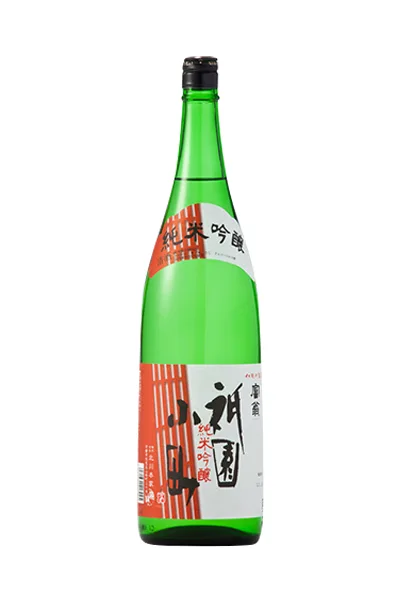
- Tomio Junmai Ginjo Gion Komachi富翁 純米吟醸 祇園小町
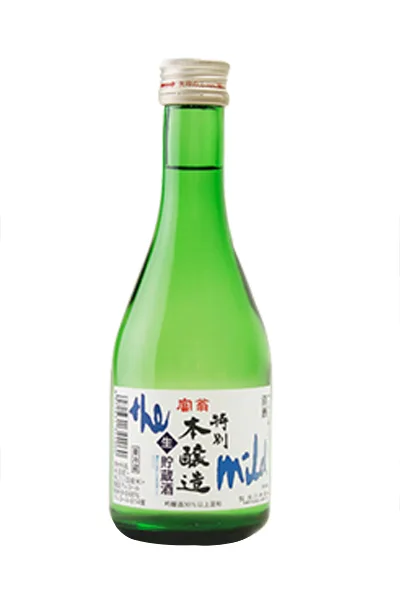
- Tomio Tokubetsu Honjozo Namachozo富翁 特別本醸造 生貯蔵酒
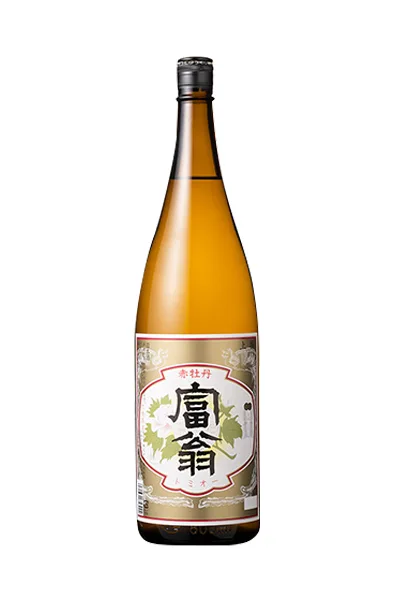
- Tomio Josen Akabotan富翁 上撰 赤牡丹
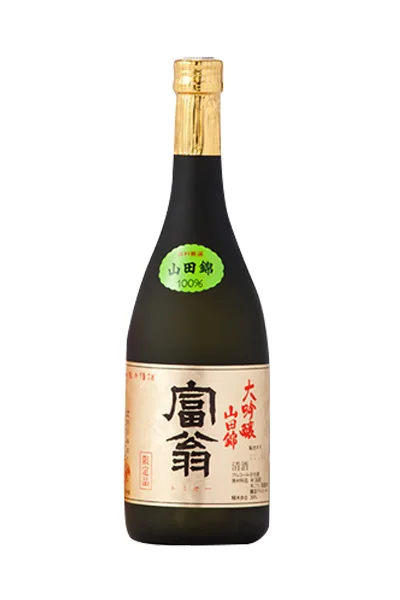
- Tomio Daiginjo Yamada Nishiki富翁 大吟醸 山田錦
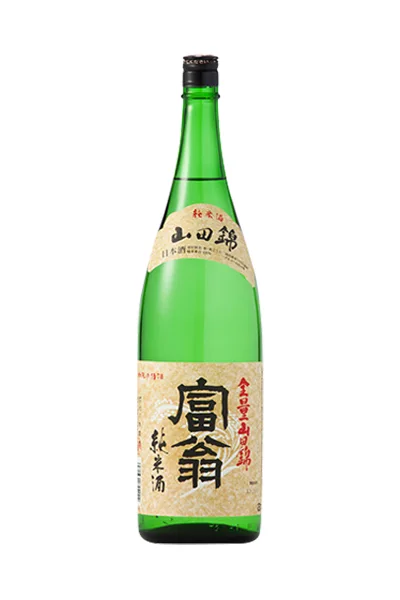
- Tomio Junmai sake Yamada Nishiki富翁 純米酒 山田錦
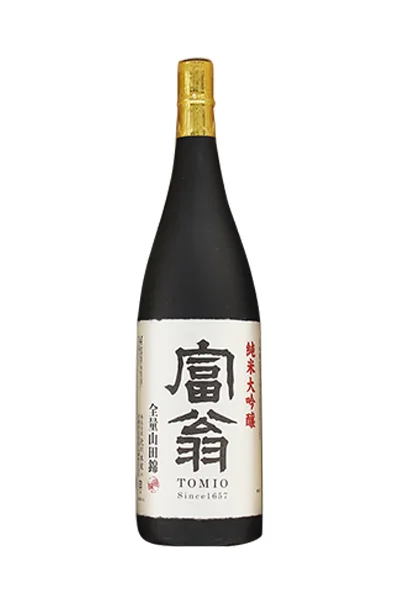
- Tomio Junmai Daiginjo Zenryo Yamada Nishiki富翁 純米大吟醸 全量山田錦