Tsujun Kumamoto no Sake
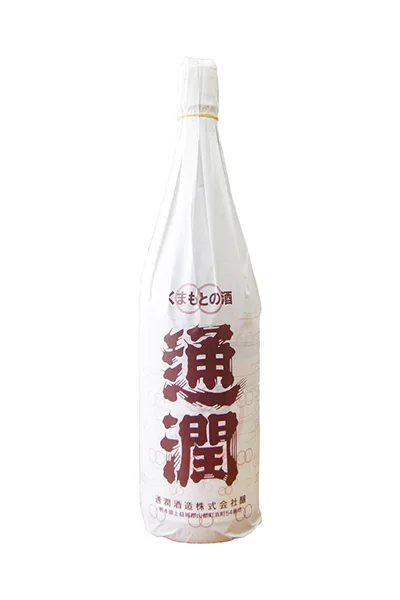
通潤 くまもとの酒Futsushu (table sake)
Tsujun — Tuzyun Shuzo, Kumamoto
Old-fashioned methods kept as they were, in a sake that never tires the palate and has been loved locally for many years.
Specifications
- Type
- Futsushu
- Rice
- Not disclosed
- Yeast
- Not disclosed
- Alcohol
- 15%
- Sake meter value
- +6very dry
- Acidity
- 1.2
How to read these
- Type
- The grade printed on the label. It depends on the ingredients (rice only, or with a little distilled alcohol) and on how far the rice is polished. More
- Rice
- The rice variety. Most premium sake uses varieties grown for brewing, such as Yamada Nishiki. More
- Yeast
- The yeast strain, which shapes the aroma. More
- Alcohol
- Alcohol by volume. Most sake is 15–16%; undiluted (genshu) sake is often 17–18%. More
- Sake meter value
- A sweet-to-dry scale. Plus is drier, minus is sweeter. Acidity changes how it tastes, so treat it as a rough guide. More
- Acidity
- Total acid. Higher tends to taste fuller and drier; lower tastes lighter and sweeter. More
Flavor profile Clean & dry
Clean & dry — restrained aroma, crisp and refreshing. Known in Japan as so-shu (爽酒).
The SMV of +6 points to a dry profile, while the low acidity of 1.2 softens the impression. The description of a light, smooth taste suggests restrained aroma and a clean, light body.
Estimated by AI from the published specifications and the brewery's description; your impression may differ.
About
Kumamoto no Sake, brewed at Tsujun for many years. Light and smooth in flavor, it pairs well with all kinds of meals. Atsukan (hot sake) is recommended, but it is also delicious served well chilled. It pairs easily with a wide variety of dishes, making it a bottle that is well received at sake gatherings and family get-togethers.
Other sake from this brand 5
- Tsujun Junmai sake通潤 純米酒
- Tsujun Semi通潤 蝉
- Tsujun Daiginjo通潤 大吟醸
- Tsujun Heike Densetsu通潤 平家伝説
- Tsujun Josen通潤 上撰