Ubusuna Kabashiko
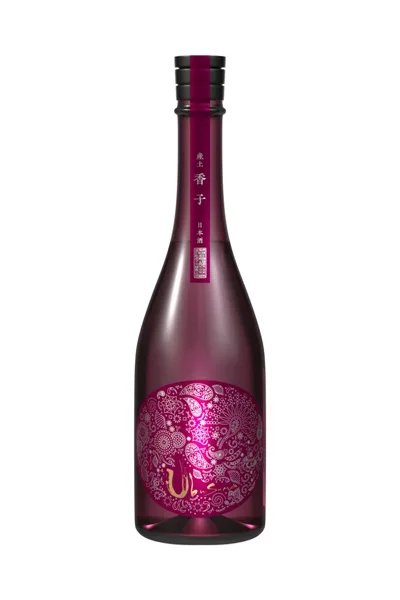
産土 香子 KABASHIKOUbusuna — Hananoka Shuzo, Kumamoto
Sake brewed with Kabashiko, an ancient rice that spread across Kyushu during the Kyoho era (1716-1736).
Specifications
- Type
- Not disclosed
- Rice
- Not disclosed
- Yeast
- Kyokai No. 9
- Alcohol
- 13%
How to read these
- Type
- The grade printed on the label. It depends on the ingredients (rice only, or with a little distilled alcohol) and on how far the rice is polished. More
- Rice
- The rice variety. Most premium sake uses varieties grown for brewing, such as Yamada Nishiki. More
- Yeast
- The yeast strain, which shapes the aroma. More
- Alcohol
- Alcohol by volume. Most sake is 15–16%; undiluted (genshu) sake is often 17–18%. More
Flavor profile Aromatic & light
Aromatic & light — fruity, floral aroma with a light body. Known in Japan as kun-shu (薫酒).
The description stresses a high rice aroma and a finish driven by rice rather than yeast, and 13% alcohol points to a light body. This suggests an aromatic, light kun-style profile with moderate sweetness.
Estimated by AI from the published specifications and the brewery's description; your impression may differ.
About
Over three years, the heirloom variety Higo Kabashiko was revived from just 40 grains of seed rice. Its history predates Hozu (穂増), a variety born in the Tenpo era (1830-1844), and it was once prized as a premium rice. As its name suggests, Higo Kabashiko has a strong rice aroma, and when steamed, its noble fragrance drifts to neighboring houses. The aroma of the rice itself, rather than yeast-derived aromas, gives the sake a lingering finish. It inspires a search for food pairings unlike those of conventional sake, making it a truly one-of-a-kind sake.
Other sake from this brand 3
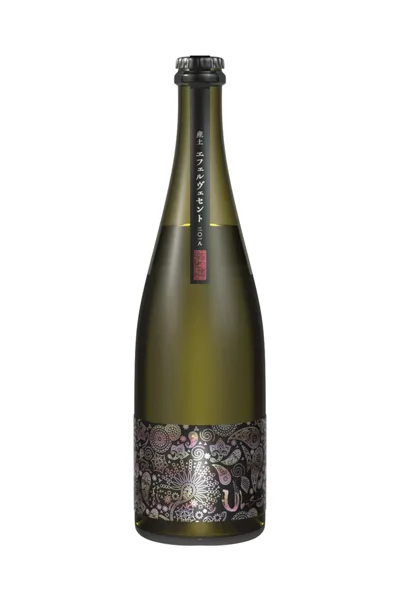
- Ubusuna 2018 Effervescent産土 2018 エフェルヴェセント EFFERVESCENT
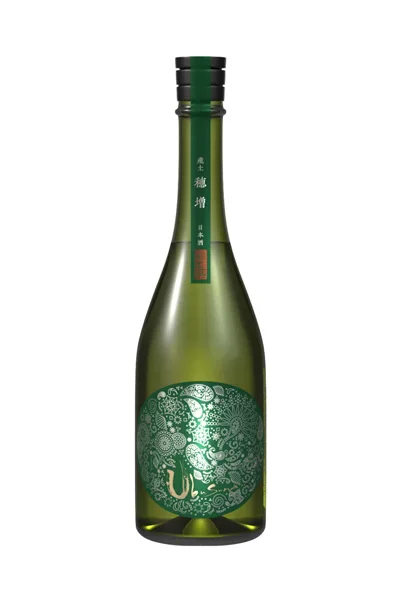
- Ubusuna Homase HOMASE産土 穂増 HOMASE
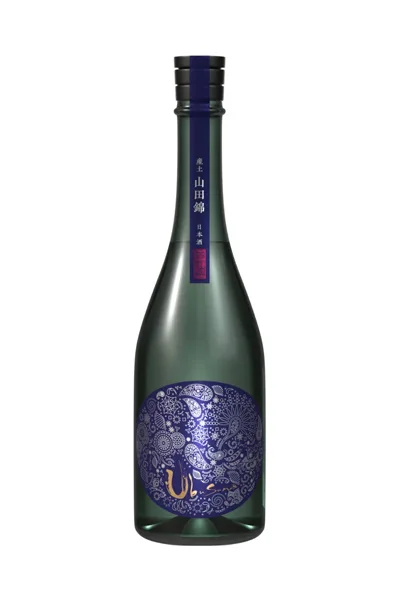
- Ubusuna Yamada Nishiki産土 山田錦 YAMADA NISHIKI