Ubusuna Homase HOMASE
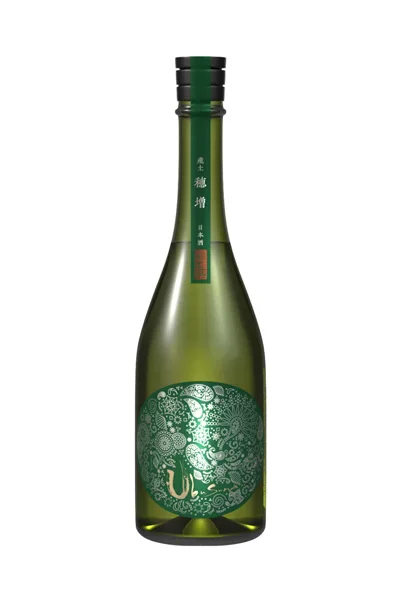
産土 穂増 HOMASEUbusuna — Hananoka Shuzo, Kumamoto
Recently revived after a long absence, this rare sake is brewed from Homase, an Edo-period Kumamoto heirloom rice grown naturally on the brewery's own fields and on farms in the Kikuchi River watershed.
Specifications
- Type
- Not disclosed
- Rice
- Not disclosed
- Yeast
- Not disclosed
- Alcohol
- 13%
How to read these
- Type
- The grade printed on the label. It depends on the ingredients (rice only, or with a little distilled alcohol) and on how far the rice is polished. More
- Rice
- The rice variety. Most premium sake uses varieties grown for brewing, such as Yamada Nishiki. More
- Yeast
- The yeast strain, which shapes the aroma. More
- Alcohol
- Alcohol by volume. Most sake is 15–16%; undiluted (genshu) sake is often 17–18%. More
Flavor profile Aromatic & light
Aromatic & light — fruity, floral aroma with a light body. Known in Japan as kun-shu (薫酒).
The described banana and pineapple aromas point to a high aroma score, while 13% alcohol suggests a lighter body with moderate, fruit-driven sweetness.
Estimated by AI from the published specifications and the brewery's description; your impression may differ.
About
Bright aromas reminiscent of banana and pineapple come together with the character of the land, and with the nuances shaped by yeast and the wider diversity of microorganisms, to form a complex flavor that resonates throughout. It is truly a one-of-a-kind sake. Homase is a Kumamoto heirloom rice variety from the Edo period that has recently been revived. Seed rice was collected in 1830 in Higo Province (present-day Kumamoto Prefecture), and the variety was widely cultivated across Kyushu, centered on Higo. In the late Edo period, it repeatedly recorded the highest prices at the Dojima Rice Exchange in Osaka as the "finest rice under heaven." In 2017, farmers in Kumamoto Prefecture succeeded in reviving the variety from just 40 grains of seed rice (tanemomi).
Other sake from this brand 3
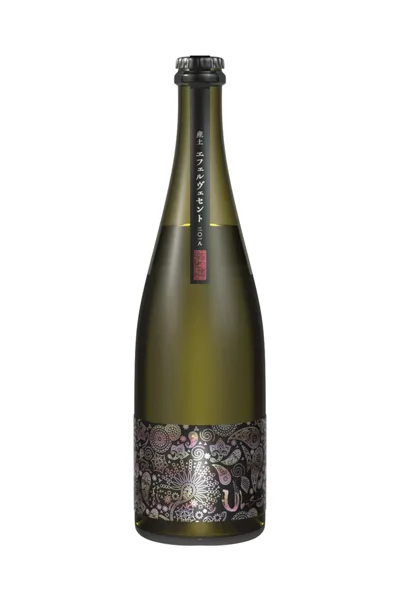
- Ubusuna 2018 Effervescent産土 2018 エフェルヴェセント EFFERVESCENT
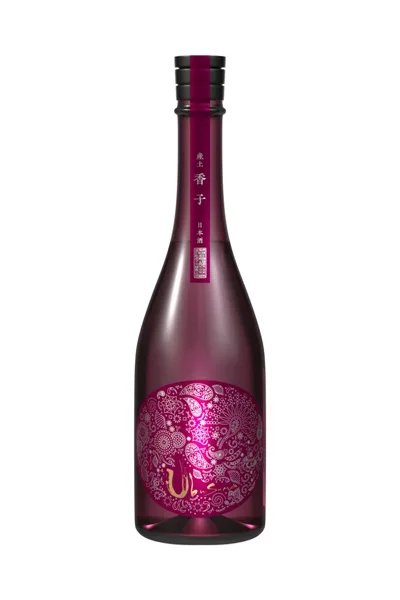
- Ubusuna Kabashiko産土 香子 KABASHIKO
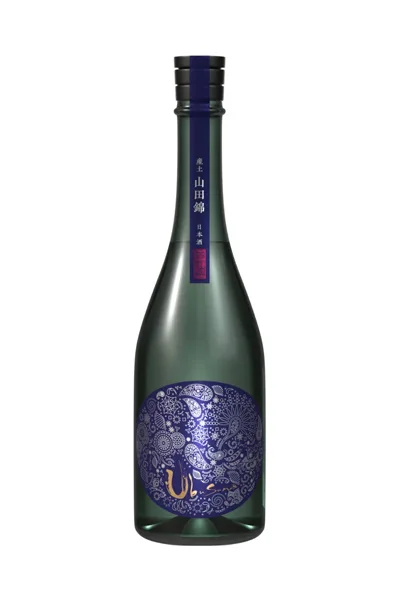
- Ubusuna Yamada Nishiki産土 山田錦 YAMADA NISHIKI