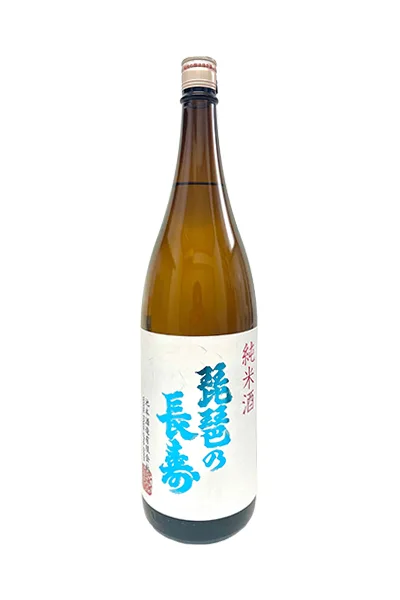
Biwa no Choju Junmai sake
琵琶の長寿 純米酒Junmai, rice polished to 70%
Biwa no Choju — Ikemoto Shuzo, Shiga
The standard junmai sake from Biwanochoju.
Specifications
- Type
- Junmai Shu
- Rice
- Not disclosed
- Rice polishing ratio
- 70%30% of each grain polished away
- Yeast
- Not disclosed
- Alcohol
- 15%
- Sake meter value
- +3slightly dry
- Acidity
- 1.8
How to read these
- Type
- The grade printed on the label. It depends on the ingredients (rice only, or with a little distilled alcohol) and on how far the rice is polished. More
- Rice
- The rice variety. Most premium sake uses varieties grown for brewing, such as Yamada Nishiki. More
- Rice polishing ratio
- How much of each grain is left after polishing. A lower number means more was milled away, which usually gives a lighter, more aromatic sake. More
- Yeast
- The yeast strain, which shapes the aroma. More
- Alcohol
- Alcohol by volume. Most sake is 15–16%; undiluted (genshu) sake is often 17–18%. More
- Sake meter value
- A sweet-to-dry scale. Plus is drier, minus is sweeter. Acidity changes how it tastes, so treat it as a rough guide. More
- Acidity
- Total acid. Higher tends to taste fuller and drier; lower tastes lighter and sweeter. More
Flavor profile Rich & umami
Rich & umami — rice-driven umami and a fuller body. Known in Japan as jun-shu (醇酒).
The SMV of +3 and acidity of 1.8 with 70% polishing point to a dry, full-bodied junmai, and the description of honey-like richness with acidity forming the backbone confirms that. Aroma is restrained while body and richness are high, placing it in the jun quadrant.
Estimated by AI from the published specifications and the brewery's description; your impression may differ.
About
It has a rich, honey-like depth and an aroma that seeps into the mucous membranes deep inside the nose. Its structure is built on acidity, giving it a full-bodied character. You may not think 'this is delicious!' after the first cup, but with each second and third cup its merits become clearer, and before long you may find it hard to stop. If I were to compare it to a person, it is not a handsome man who wins hearts at first sight, but he is deeply caring, warm-hearted, and reliable. I just like him. That is the kind of bottle this sake is.
Other sake from this brand 12
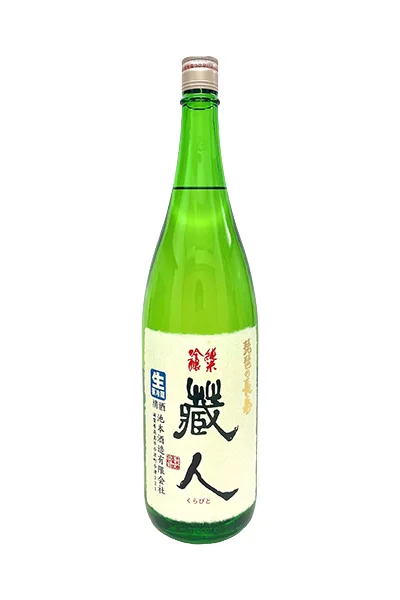
- Biwa no Choju Junmai Ginjo Kurabito琵琶の長寿 純米吟醸 蔵人
- Biwa no Choju Junmai Ginjo Kame no O琵琶の長寿 純米吟醸 亀の尾
- Biwa no Choju Josen琵琶の長寿 上撰
- Biwa no Choju Junmai Ginjo琵琶の長寿 純米吟醸
- Biwa no Choju Ginjo琵琶の長寿 吟醸
- Biwa no Choju Hanamizake琵琶の長寿 花見酒
- Biwa no Choju Junmai Ginjo Muroka Namazume Ikkai Hiire琵琶の長寿 純米吟醸 無ろか 生詰 一回火入
- Biwa no Choju Ginjo ri琵琶の長寿 吟醸り
- Biwa no Choju Daiginjo Ginjori琵琶の長寿 大吟醸 吟醸り
- Biwa no Choju Junmai Daiginjo Ginjo-ri琵琶の長寿 純米大吟 吟醸り
- Biwa no Choju Koisui琵琶の長寿 惚酔
- Biwa no Choju Ai Shibori琵琶の長寿 愛しぼり