田酒No photo yet
Denshu Tokubetsu Junmai Yamahai Shikomi
田酒 特別純米酒 山廃仕込Junmai, Hanafubuki rice polished to 55%, yamahai starter
Denshu — Nishida Shuzoten, Aomori
Specifications
- Type
- Junmai Shu
- Rice
- 華吹雪
- Rice polishing ratio
- 55%45% of each grain polished away
- Alcohol
- 15.6%
- Sake meter value
- +3slightly dry
- Acidity
- 1.6
How to read these
- Type
- The grade printed on the label. It depends on the ingredients (rice only, or with a little distilled alcohol) and on how far the rice is polished. More
- Rice
- The rice variety. Most premium sake uses varieties grown for brewing, such as Yamada Nishiki. More
- Rice polishing ratio
- How much of each grain is left after polishing. A lower number means more was milled away, which usually gives a lighter, more aromatic sake. More
- Alcohol
- Alcohol by volume. Most sake is 15–16%; undiluted (genshu) sake is often 17–18%. More
- Sake meter value
- A sweet-to-dry scale. Plus is drier, minus is sweeter. Acidity changes how it tastes, so treat it as a rough guide. More
- Acidity
- Total acid. Higher tends to taste fuller and drier; lower tastes lighter and sweeter. More
Flavor profile Rich & umami
RestrainedAromatic
RichLight
Rich & umami — rice-driven umami and a fuller body. Known in Japan as jun-shu (醇酒).
Junmai brewed with yamahai suggests restrained aroma with fuller umami and body, pointing to the jun quadrant. SMV +3 and acidity 1.6 indicate moderate dryness and a medium-sweet balance.
Estimated by AI from the published specifications and the brewery's description; your impression may differ.
About
Shipped only during the winter season, starting in October.
Other sake from this brand 8
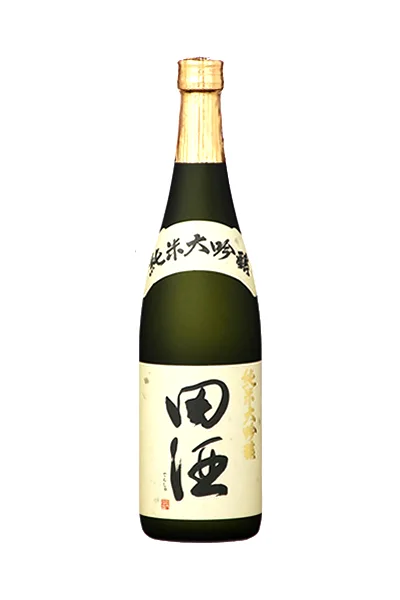
- Denshu Junmai Daiginjo田酒 純米大吟醸
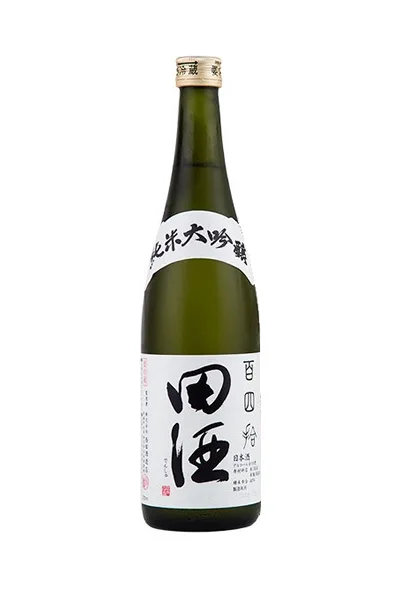
- Denshu Junmai Daiginjo Hyakuyonju田酒 純米大吟醸 百四拾
- Denshu Junmai Daiginjo Yamahai田酒 純米大吟醸 山廃
- Denshu Junmai Ginjo Kojono Nishiki田酒 純米吟醸 古城乃錦
- Denshu Tokubetsu Junmai田酒 特別純米酒
- Denshu Junmai Ginjo田酒 純米吟醸
- Denshu Junmai Ginjo Suisei田酒 純米吟醸 彗星
- Denshu Junmai Daiginjo Tobindori田酒 純米大吟醸 斗壜取