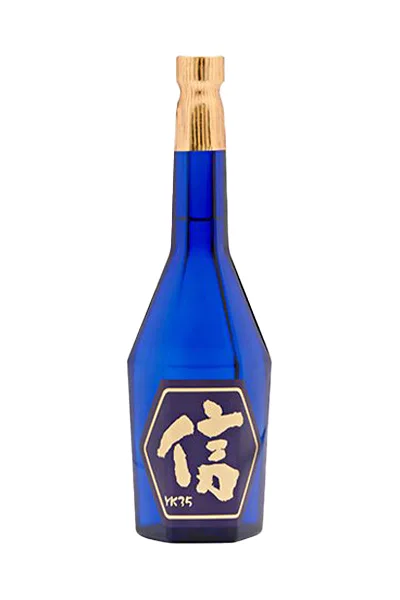
Hokusetsu Shin
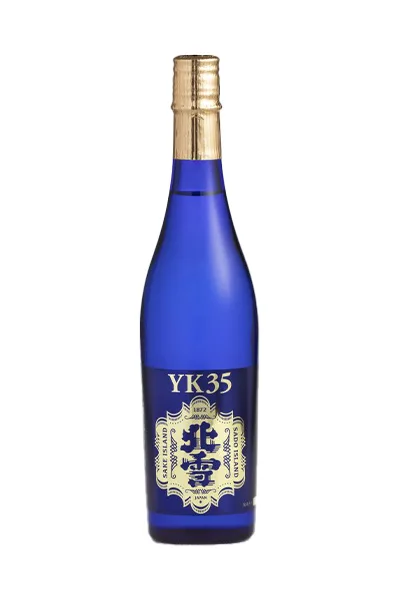
北雪 信Daiginjo, Yamada Nishiki rice polished to 35%
Hokusetsu — Hokusetsu Shuzo, Niigata
A Daiginjo pressed by centrifuge, from YK35
Specifications
- Type
- Daiginjo
- Rice
- Yamada Nishiki
- Rice polishing ratio
- 35%65% of each grain polished away
- Yeast
- Not disclosed
- Alcohol
- 16%
- Sake meter value
- +4dry
- Acidity
- 1.2
How to read these
- Type
- The grade printed on the label. It depends on the ingredients (rice only, or with a little distilled alcohol) and on how far the rice is polished. More
- Rice
- The rice variety. Most premium sake uses varieties grown for brewing, such as Yamada Nishiki. More
- Rice polishing ratio
- How much of each grain is left after polishing. A lower number means more was milled away, which usually gives a lighter, more aromatic sake. More
- Yeast
- The yeast strain, which shapes the aroma. More
- Alcohol
- Alcohol by volume. Most sake is 15–16%; undiluted (genshu) sake is often 17–18%. More
- Sake meter value
- A sweet-to-dry scale. Plus is drier, minus is sweeter. Acidity changes how it tastes, so treat it as a rough guide. More
- Acidity
- Total acid. Higher tends to taste fuller and drier; lower tastes lighter and sweeter. More
Flavor profile Aromatic & light
Aromatic & light — fruity, floral aroma with a light body. Known in Japan as kun-shu (薫酒).
The 35% polished daiginjo's described floral ginjo aroma and soft mouthfeel point to high aroma and a light body. SMV +4 with low acidity of 1.2 suggests a gently sweet, round impression.
Estimated by AI from the published specifications and the brewery's description; your impression may differ.
About
Made from Yamada Nishiki, a sake rice polished to 35%, this handmade Daiginjo YK35 is produced through long, low-temperature fermentation. The pressed sake (jozo) comes from a Daiginjo we are proud of, separated with a high-speed centrifugal separator rather than cloth sake bags. Enjoy the umami of the moromi (fermentation mash) in its original character, together with its vibrant ginjo aroma and soft mouthfeel. High-speed centrifugal separation is not the conventional method of pressing moromi in cloth sake bags (nuno bukuro). It eliminates stress on the sake to prevent deterioration and oxidation, and is, to our knowledge, the finest method of pressing available today. Furthermore, the centrifuged sake is bottled immediately, heat-treated in the bottle (binkan), and kept refrigerated.
Other sake from this brand 21
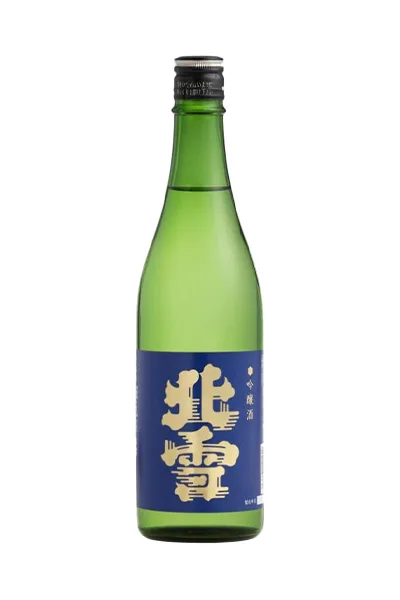
- Hokusetsu Ginjo北雪 吟醸
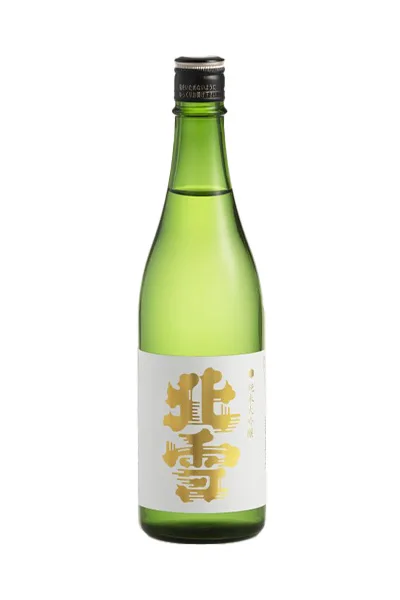
- Hokusetsu Junmai Daiginjo北雪 純米大吟醸
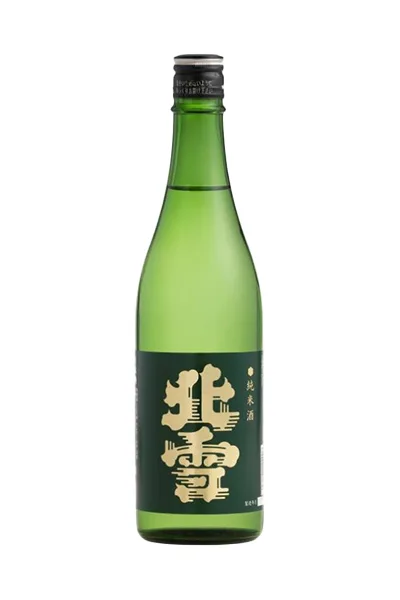
- Hokusetsu Junmai sake北雪 純米酒
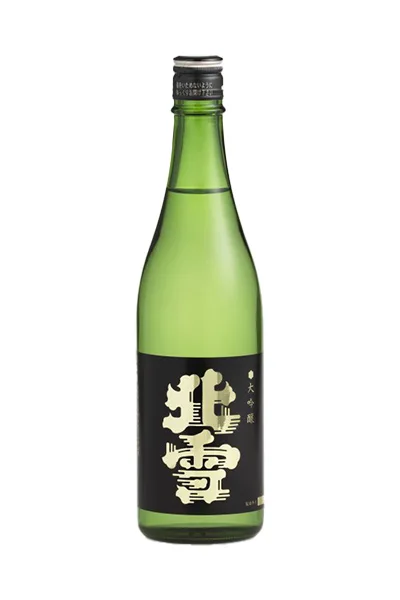
- Hokusetsu Daiginjo北雪 大吟醸酒
- Hokusetsu Daiginjo YK35北雪 大吟醸 YK35
- Hokusetsu Junmai Ginjo北雪 純米吟醸
- Hokusetsu Jukusei Koshu Sado no Onigoroshi Ongakushu北雪 熟成古酒 佐渡の鬼ごろし 音楽酒
- Hokusetsu Futsushu Kinboshi北雪 普通酒 金星
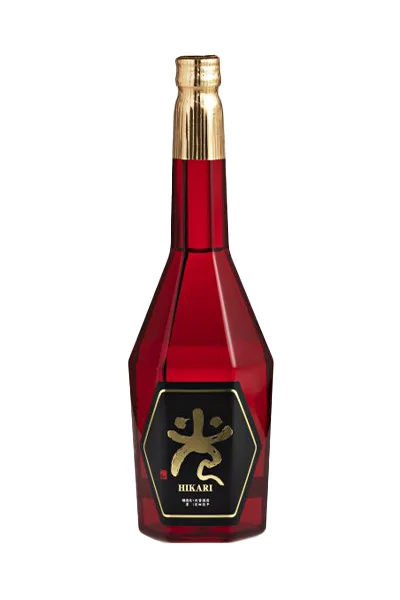
- Hokusetsu Hikari北雪 光
- Hokusetsu Esa Kaikyo (Kijoshu Type)北雪 越佐海峡 (貴醸酒タイプ)
- Hokusetsu Gonen Jukusei Koshu Takane Nishiki北雪 五年熟成古酒 高ね錦
- Hokusetsu Honjozo北雪 本醸造酒