Ichidai Misen Aimisen
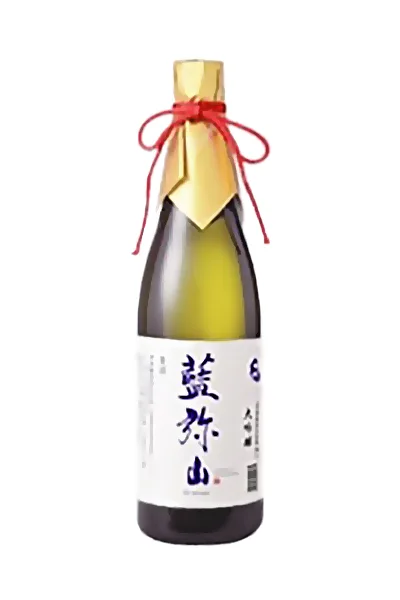
一代弥山 藍弥山Daiginjo, Yamada Nishiki rice polished to 35%
Ichidai Misen — Chugoku Jozo, Hiroshima
Crafted from carefully selected ingredients and the finest brewing skill, Aimisen is a daiginjo that balances a fragrant aroma with a fresh, lively palate.
Specifications
- Type
- Daiginjo
- Rice
- Yamada Nishiki
- Rice polishing ratio
- 35%65% of each grain polished away
- Yeast
- Kyokai No. 1801
- Alcohol
- 16–16.9%
- Sake meter value
- +2slightly dry
- Acidity
- 1.1
How to read these
- Type
- The grade printed on the label. It depends on the ingredients (rice only, or with a little distilled alcohol) and on how far the rice is polished. More
- Rice
- The rice variety. Most premium sake uses varieties grown for brewing, such as Yamada Nishiki. More
- Rice polishing ratio
- How much of each grain is left after polishing. A lower number means more was milled away, which usually gives a lighter, more aromatic sake. More
- Yeast
- The yeast strain, which shapes the aroma. More
- Alcohol
- Alcohol by volume. Most sake is 15–16%; undiluted (genshu) sake is often 17–18%. More
- Sake meter value
- A sweet-to-dry scale. Plus is drier, minus is sweeter. Acidity changes how it tastes, so treat it as a rough guide. More
- Acidity
- Total acid. Higher tends to taste fuller and drier; lower tastes lighter and sweeter. More
Flavor profile Aromatic & light
Aromatic & light — fruity, floral aroma with a light body. Known in Japan as kun-shu (薫酒).
The daiginjo grade, 35% polishing ratio and the description of a fragrant, fresh profile point to high aroma and a light body. An SMV of +2 with low acidity of 1.1 suggests a mildly soft, slightly sweet impression.
Estimated by AI from the published specifications and the brewery's description; your impression may differ.
About
Aimisen is brewed with Yamada Nishiki, the finest sake rice, polished in-house to a 35% rice polishing ratio, and with soft water well suited to sake brewing. During Daikan (the coldest period of the year), the toji (master brewer) made the koji by hand, and the moromi (fermentation mash) was nurtured slowly at low temperature.
Other sake from this brand 9
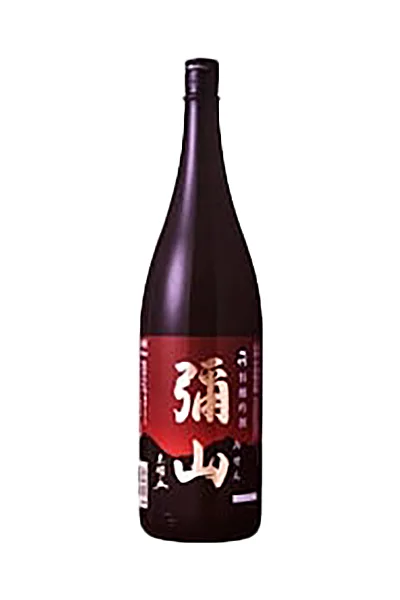
- Ichidai Misen Tokujo Ginsen一代弥山 特醸 吟撰
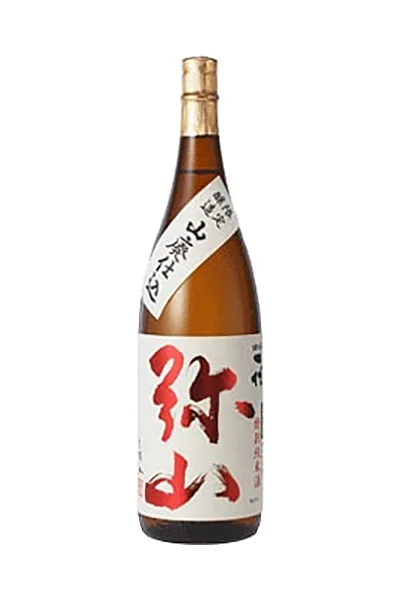
- Ichidai Misen Tokubetsu Junmai Yamahai Shikomi一代弥山 特別純米 山廃仕込
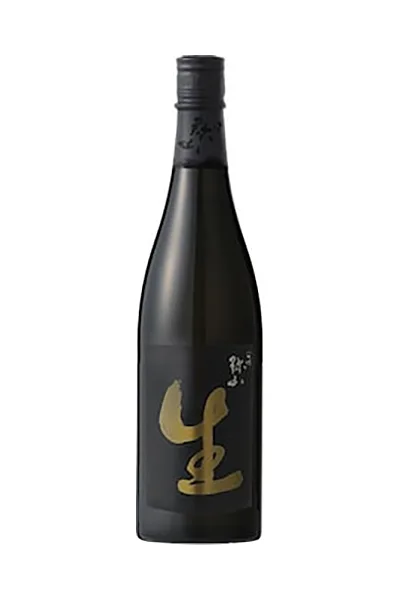
- Ichidai Misen Junmai Daiginjo Nama Genshu一代弥山 純米大吟醸 生原酒
- Ichidai Misen Ryosen一代弥山 良撰
- Ichidai Misen Kiyomori Suigun一代弥山 清盛水軍
- Ichidai Misen Nigori Sake一代弥山 にごり酒
- Ichidai Misen Namachozo一代弥山 生貯蔵酒
- Ichidai Misen Josen一代弥山 上撰
- Ichidai Misen Sakura Misen一代弥山 桜弥山