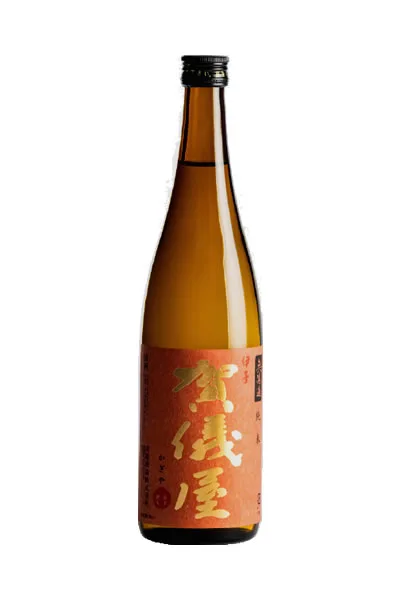
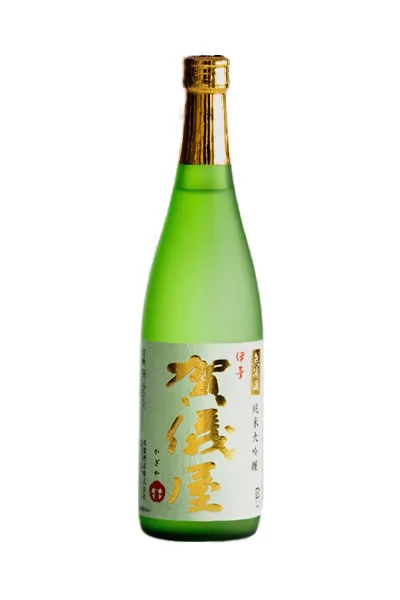
伊予賀儀屋No photo yet
Iyokagiya Shikomi Sango Junmai Namazume
賀儀屋 仕込三号 純米 生詰Junmai, Matsuyama Mitsui rice polished to 60%, pasteurized once before storage (namazume)
Iyokagiya — Seiryo Shuzo, Ehime
Specifications
- Type
- Junmai Shu
- Rice
- 松山三井
- Rice polishing ratio
- 60%40% of each grain polished away
- Yeast
- 愛媛酵母EK-1
- Sake meter value
- +3slightly dry
- Acidity
- 1.3
How to read these
- Type
- The grade printed on the label. It depends on the ingredients (rice only, or with a little distilled alcohol) and on how far the rice is polished. More
- Rice
- The rice variety. Most premium sake uses varieties grown for brewing, such as Yamada Nishiki. More
- Rice polishing ratio
- How much of each grain is left after polishing. A lower number means more was milled away, which usually gives a lighter, more aromatic sake. More
- Yeast
- The yeast strain, which shapes the aroma. More
- Sake meter value
- A sweet-to-dry scale. Plus is drier, minus is sweeter. Acidity changes how it tastes, so treat it as a rough guide. More
- Acidity
- Total acid. Higher tends to taste fuller and drier; lower tastes lighter and sweeter. More
Flavor profile Rich & umami
RestrainedAromatic
RichLight
Rich & umami — rice-driven umami and a fuller body. Known in Japan as jun-shu (醇酒).
The junmai designation, 60% polishing, and SMV +3 with acidity 1.3 point to a restrained aroma with soft rice umami and a medium-dry profile. Nama processing adds some freshness, placing it in the jun quadrant near the center of the body axis.
Estimated by AI from the published specifications and the brewery's description; your impression may differ.
Other sake from this brand 6
- Iyokagiya Muroka Junmai Red Label伊予賀儀屋 無濾過 純米 赤ラベル
- Iyokagiya Muroka Junmai Daiginjo Green Label伊予賀儀屋 無濾過 純米大吟醸 グリーンラベル
- Iyokagiya Kanjuku Umeshu賀儀屋 完熟梅酒
- Iyokagiya Ajikuchi Hon Shikomi Namazume賀儀屋 味口本仕込み 生詰
- Iyokagiya Shikomi Yongo Junmai Ginjo Namazume賀儀屋 仕込四号 純米吟醸 生詰
- Iyokagiya Junmai Daiginjo Namazume賀儀屋 純米大吟醸 生詰