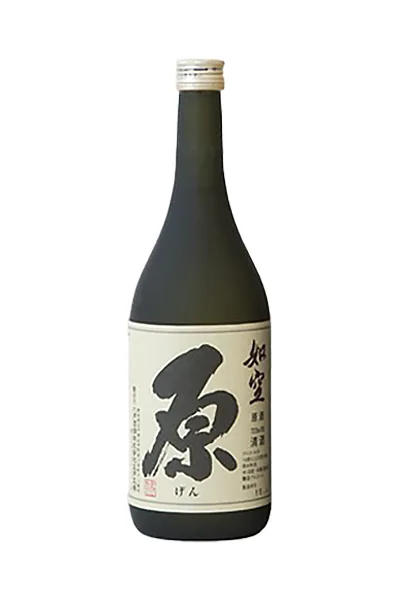
Joku Gen
如空 原Undiluted (genshu), rice polished to 70%
Joku — Hachinoheshurui Gonohekojo, Aomori
Packed with the true aroma and flavor of sake, this Joku Genshu “Gen” is undiluted and unfiltered.
Specifications
- Type
- Genshu
- Rice
- Not disclosed
- Rice polishing ratio
- 70%30% of each grain polished away
- Yeast
- Not disclosed
- Alcohol
- 19–20%
- Sake meter value
- +4dry
- Acidity
- 1.5
How to read these
- Type
- The grade printed on the label. It depends on the ingredients (rice only, or with a little distilled alcohol) and on how far the rice is polished. More
- Rice
- The rice variety. Most premium sake uses varieties grown for brewing, such as Yamada Nishiki. More
- Rice polishing ratio
- How much of each grain is left after polishing. A lower number means more was milled away, which usually gives a lighter, more aromatic sake. More
- Yeast
- The yeast strain, which shapes the aroma. More
- Alcohol
- Alcohol by volume. Most sake is 15–16%; undiluted (genshu) sake is often 17–18%. More
- Sake meter value
- A sweet-to-dry scale. Plus is drier, minus is sweeter. Acidity changes how it tastes, so treat it as a rough guide. More
- Acidity
- Total acid. Higher tends to taste fuller and drier; lower tastes lighter and sweeter. More
Flavor profile Rich & umami
Rich & umami — rice-driven umami and a fuller body. Known in Japan as jun-shu (醇酒).
The genshu at 19–20% alcohol and the description as a rich, concentrated sake point to a full body, while the 70% polishing ratio and SMV +4 suggest restrained aroma and a fairly dry profile.
Estimated by AI from the published specifications and the brewery's description; your impression may differ.
About
A rich, full-bodied sake with an alcohol content of 19 to 20 percent. Genshu (undiluted sake) is sake that is left as it is when it leaves the brewery, with no water added to adjust its strength. Find the strength that suits you: on the rocks (kachiwari), mixed with water (mizuwari), or with hot water (oyuwari). It is also a way of enjoying genshu in particular to change its taste according to your mood or the atmosphere of the day. Please enjoy it in your own way.
Other sake from this brand 20
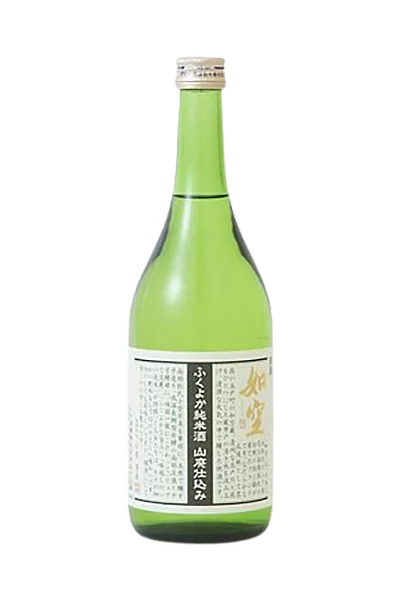
- Joku Fukuyaka Junmai sake Yamahai Shikomi如空 ふくよか純米酒 山廃仕込み
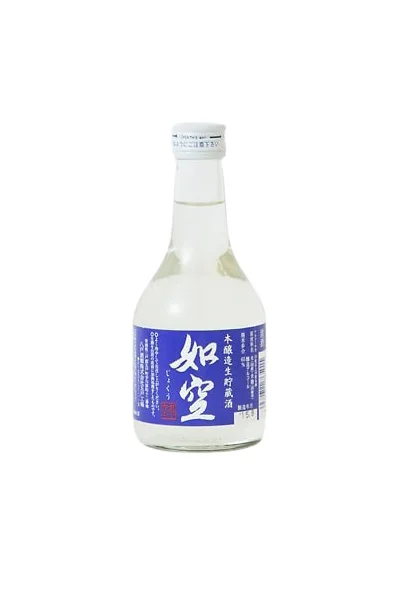
- Joku Honjozo Namachozo如空 本醸造 生貯蔵酒
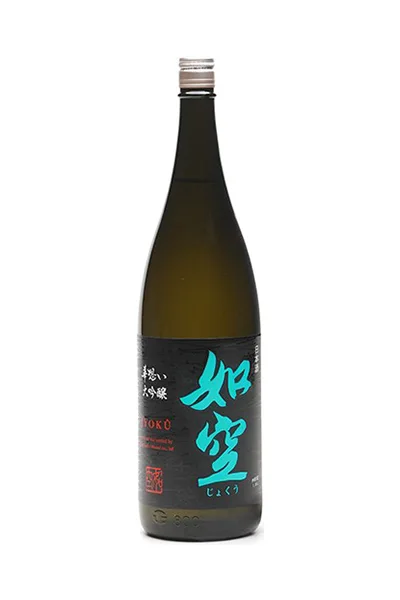
- Joku Daiginjo Hanaomoi如空 大吟醸 華想い
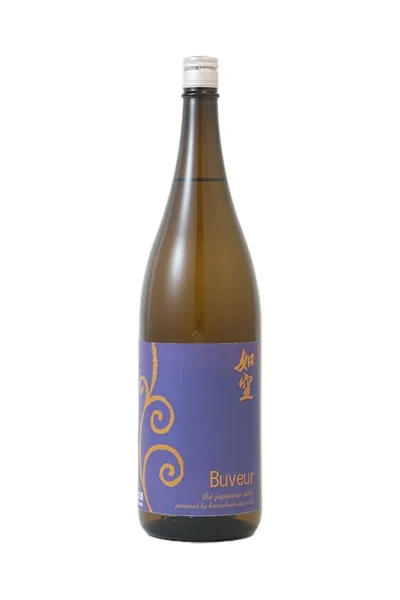
- Joku Buveur Junmai Namachozo如空 Buveur 純米 生貯蔵酒
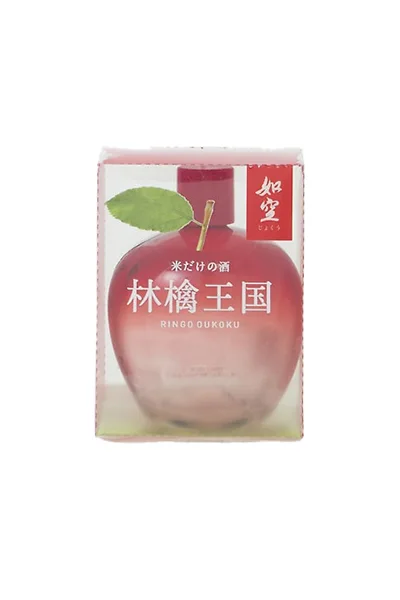
- Joku Ringo Okoku如空 林檎王国
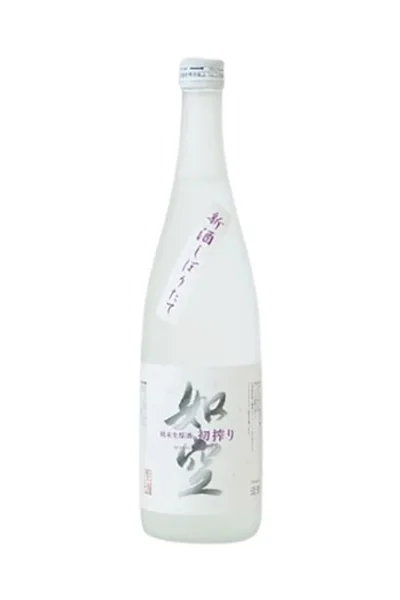
- Joku Junmai Nama Genshu Hatsushibori如空 純米 生原酒 初搾り
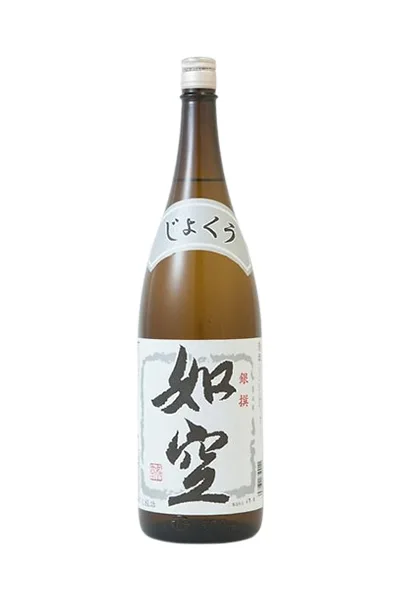
- Joku Ginsen如空 銀撰
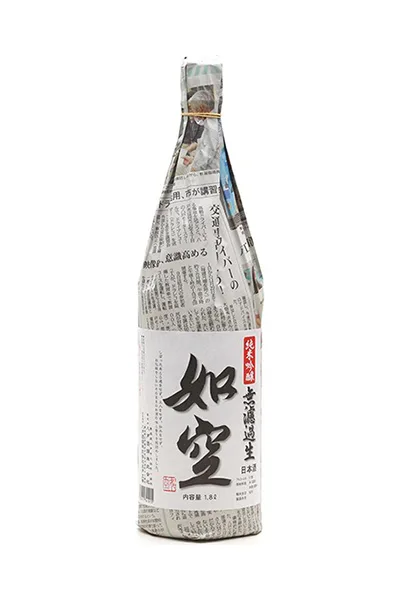
- Joku Junmai Ginjo Muroka Nama如空 純米吟醸 無濾過 生
- Joku Junmai Ginjo Nama Omoi如空 純米吟醸 生酒 想
- Joku Daiginjo如空 大吟醸
- Joku Junmai Daiginjo Hanaomoi如空 純米大吟醸 華想い
- Joku Honjozo如空 本醸造