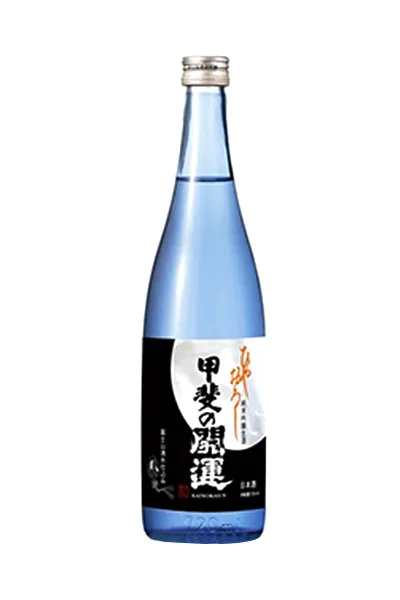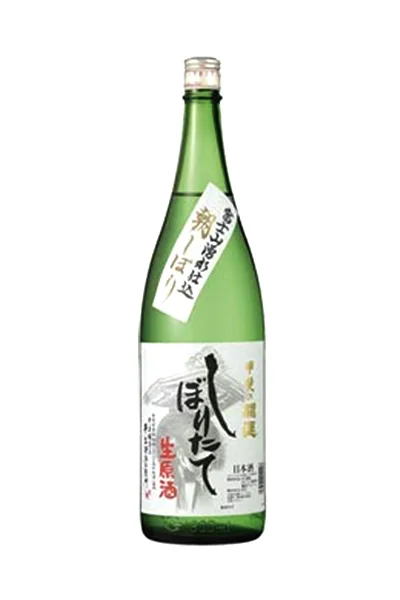
Kai no Kaiun Shiboritate Nama Genshu Asa Shibori
甲斐の開運 しぼりたて 生原酒 朝しぼりRice polished to 65%, unpasteurized (nama), undiluted (genshu), freshly pressed new sake (shiboritate)
Kai no Kaiun — Ide Sake Brewery, Yamanashi
A winter seasonal release that lets you taste what new sake truly is.
Specifications
- Type
- Nama Genshu
- Rice
- Not disclosed
- Rice polishing ratio
- 65%35% of each grain polished away
- Yeast
- Not disclosed
- Alcohol
- 18–18.9%
- Sake meter value
- +1medium
- Acidity
- 1.4
How to read these
- Type
- The grade printed on the label. It depends on the ingredients (rice only, or with a little distilled alcohol) and on how far the rice is polished. More
- Rice
- The rice variety. Most premium sake uses varieties grown for brewing, such as Yamada Nishiki. More
- Rice polishing ratio
- How much of each grain is left after polishing. A lower number means more was milled away, which usually gives a lighter, more aromatic sake. More
- Yeast
- The yeast strain, which shapes the aroma. More
- Alcohol
- Alcohol by volume. Most sake is 15–16%; undiluted (genshu) sake is often 17–18%. More
- Sake meter value
- A sweet-to-dry scale. Plus is drier, minus is sweeter. Acidity changes how it tastes, so treat it as a rough guide. More
- Acidity
- Total acid. Higher tends to taste fuller and drier; lower tastes lighter and sweeter. More
Flavor profile Rich & umami
Rich & umami — rice-driven umami and a fuller body. Known in Japan as jun-shu (醇酒).
Unpasteurized genshu at 18% with a forceful, young character points to a full, rich body. SMV +1 and acidity 1.4 suggest mid-level sweetness, and the description implies restrained aromatics.
Estimated by AI from the published specifications and the brewery's description; your impression may differ.
About
Ordinary sake is usually pasteurized twice (heat-treated to kill microbes) after pressing, or diluted with water to adjust the alcohol content, before bottling. This sake, however, is bottled straight after pressing, with no pasteurization or dilution at all. Sake bottled in this way is called nama genshu (unpasteurized undiluted sake). Kai no Kaiun Asa Shibori is bottled on the same day it is pressed. New sake is very fresh and has a strong, punchy intensity. However, in terms of taste and aroma, the balance is slightly off. Each element asserts itself and seems to clash with the others. That, however, is the character of new sake. This sake lets you taste what new sake is. Please enjoy it. Note: It is very easy to drink and you may finish a glass without realizing it. However, the alcohol content is high, so if you are not careful you may suddenly feel the effects. Please take care.
Other sake from this brand 11
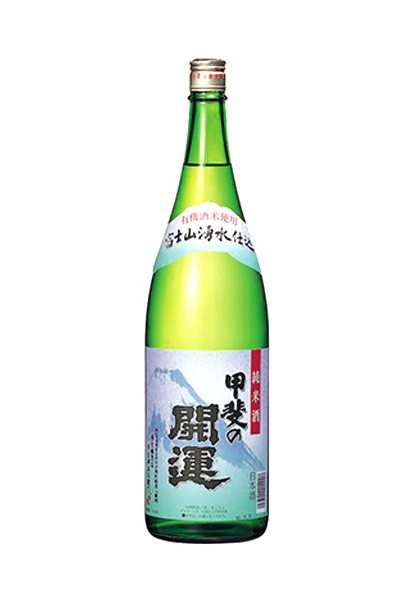
- Kai no Kaiun Junmai sake甲斐の開運 純米酒
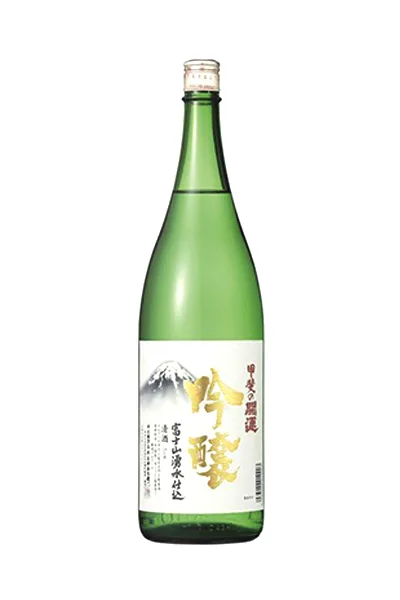
- Kai no Kaiun Ginjo甲斐の開運 吟醸
- Kai no Kaiun Hiyaoroshi Junmai Ginjo Nama甲斐の開運 ひやおろし 純米吟醸 生
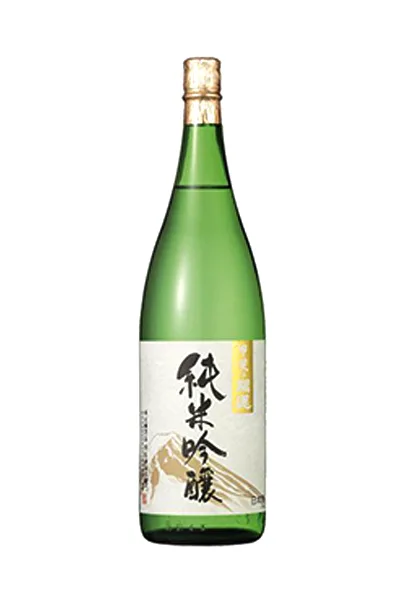
- Kai no Kaiun Junmai Ginjo甲斐の開運 純米吟醸
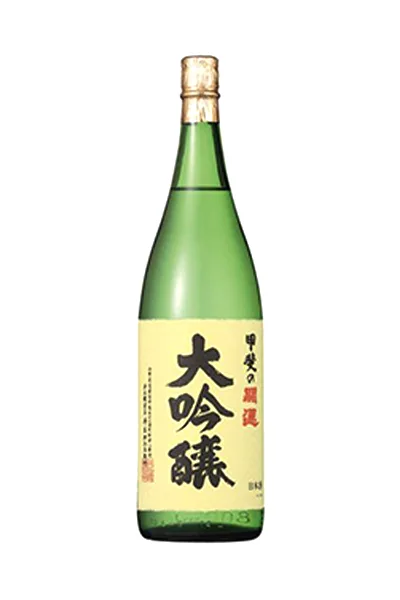
- Kai no Kaiun Daiginjo甲斐の開運 大吟醸
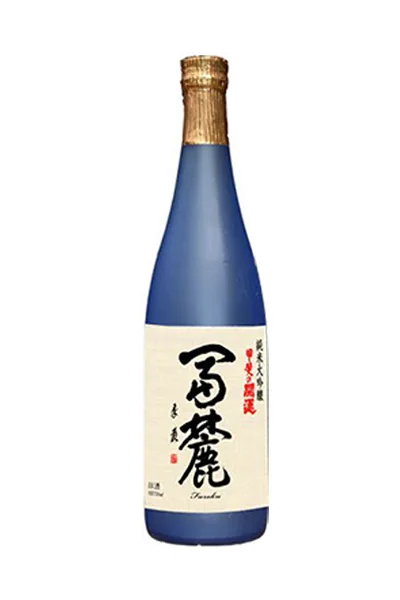
- Kai no Kaiun Junmai Daiginjo Fumoto甲斐の開運 純米大吟醸 麓
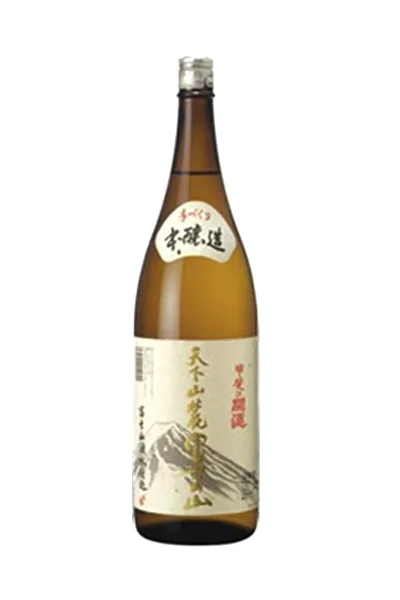
- Kai no Kaiun Tezukuri Honjozo甲斐の開運 手造り 本醸造
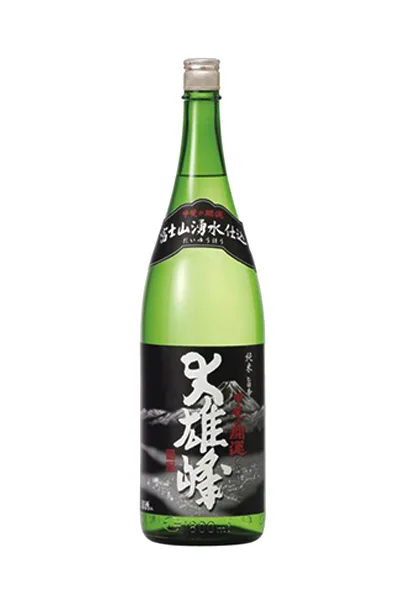
- Kai no Kaiun Umakara Junmai Daiyuho甲斐の開運 旨辛純米 大雄峰
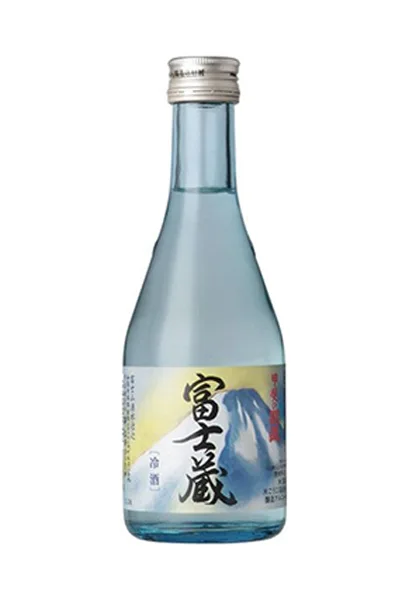
- Kai no Kaiun Fujigura甲斐の開運 富士蔵
- Kai no Kaiun Josen甲斐の開運 上撰
- Kai no Kaiun Tokubetsu Junmai Hokuroku甲斐の開運 特別純米 北麓