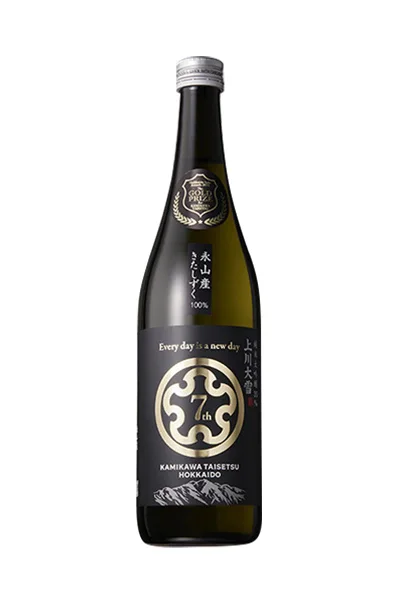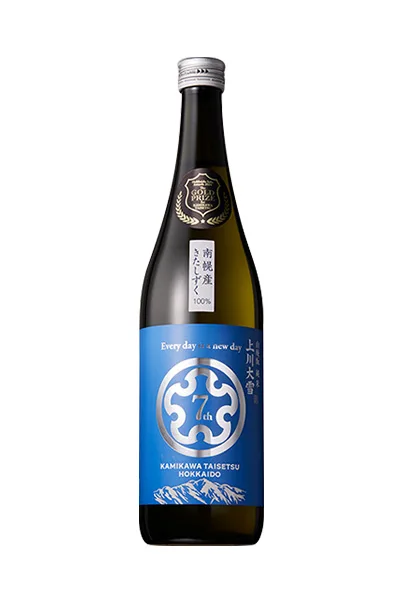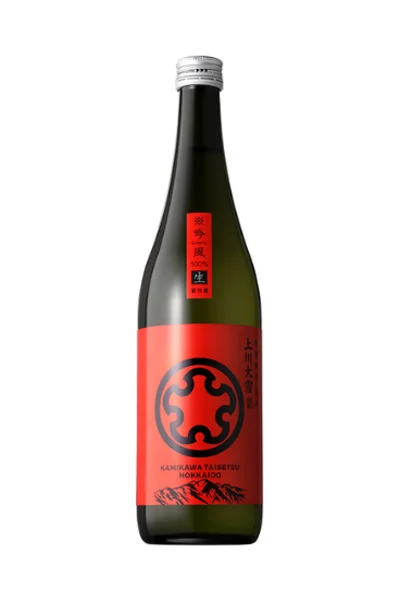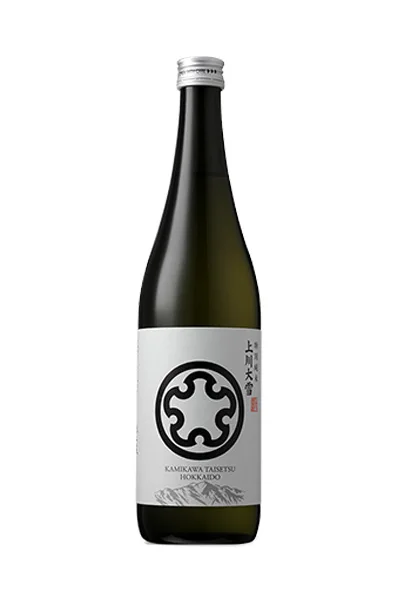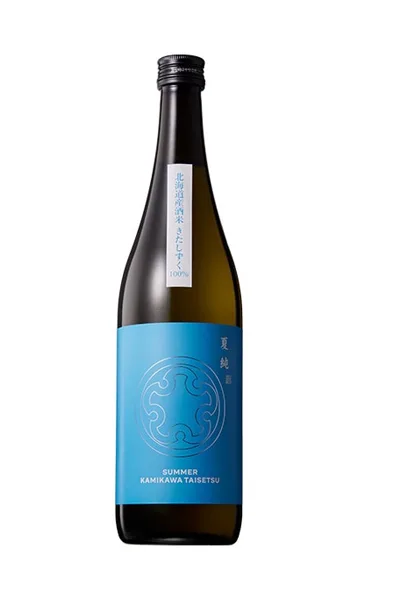
Natsujun Tokubetsu Junmai Kitashizuku
夏純 特別純米 きたしずくTokubetsu junmai, Kitashizuku rice polished to 60%
Kamikawa Taisetsu — Kamikawa Taisetsu Sake Brewery, Hokkaido
For summers when the appetite fades: citrus-bright acidity and a refined, fruit-like aroma, with a silky gas sensation gliding across the tongue.
Specifications
- Type
- Tokubetsu Junmai
- Rice
- Kitashizuku
- Rice polishing ratio
- 60%40% of each grain polished away
- Yeast
- Not disclosed
- Alcohol
- 15%
How to read these
- Type
- The grade printed on the label. It depends on the ingredients (rice only, or with a little distilled alcohol) and on how far the rice is polished. More
- Rice
- The rice variety. Most premium sake uses varieties grown for brewing, such as Yamada Nishiki. More
- Rice polishing ratio
- How much of each grain is left after polishing. A lower number means more was milled away, which usually gives a lighter, more aromatic sake. More
- Yeast
- The yeast strain, which shapes the aroma. More
- Alcohol
- Alcohol by volume. Most sake is 15–16%; undiluted (genshu) sake is often 17–18%. More
Flavor profile Aromatic & light
Aromatic & light — fruity, floral aroma with a light body. Known in Japan as kun-shu (薫酒).
The description of fruity aroma, citrus acidity and a clean, sharp finish, together with 60% polishing and 15% alcohol, points to a light, moderately aromatic profile with low sweetness.
Estimated by AI from the published specifications and the brewery's description; your impression may differ.
About
The brewing water comes from the Satsunai River system (Satsunaigawa), whose headwaters lie in the Hidaka Mountains and which has repeatedly been named one of Japan's finest clear rivers. It is a medium-hard water (chukosui). The sake rice is Kitashizuku, a contract-grown sake rice (sakagura tekigo-mai) from Hokkaido. It sharpens the clean finish while producing a soft, smooth, and crisp flavor. It pairs well with rich, nourishing dishes such as grilled eel (unagi) or pike conger (hamo), and with fatty foods when you want something refreshing. Serve it well chilled, or try it nurukan (lukewarm, a gentle form of warmed sake), which is kind to the body when tired from the summer heat.
Other sake from this brand 15
- Kamikawa Taisetsu Junmai Daiginjo 35% Nagayama-san Kitashizuku上川大雪 純米大吟醸35% 永山産きたしずく
- Kamikawa Taisetsu Yamahai Junmai Nanporo-grown Kitashizuku上川大雪 山廃酛 純米 南幌産きたしずく
- Kamikawa Taisetsu Tokubetsu Junmai Karakuchi Ginpu Nama上川大雪 特別純米 辛口 吟風・生酒
- Kamikawa Taisetsu Tokubetsu Junmai上川大雪 特別純米
- Kamikawa Taisetsu Junmai Ginjo上川大雪 純米吟醸
- Kamikawa Taisetsu Junmai Daiginjo 40上川大雪 純米大吟醸40
- Kamikawa Taisetsu Junmai Daiginjo 35上川大雪 純米大吟醸35
- Kamikawa Taisetsu Uryu-grown Suisei Yamahai Junmai Akijuku上川大雪 雨竜産彗星 山廃酛 純米 秋熟
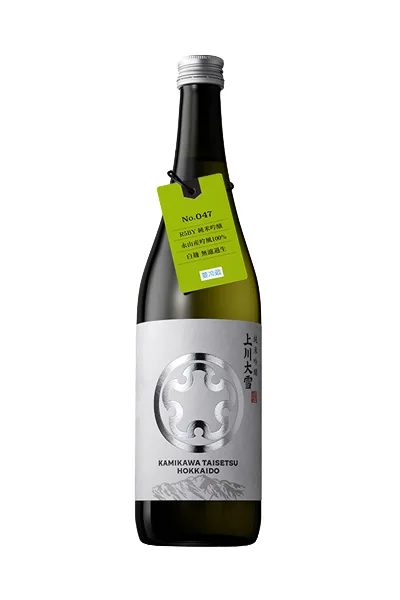
- Kamikawa Taisetsu Nagayama-san Ginpu Junmai Ginjo Shiro Koji Muroka Nama上川大雪 永山産吟風 純米吟醸 白麹 無濾過生酒
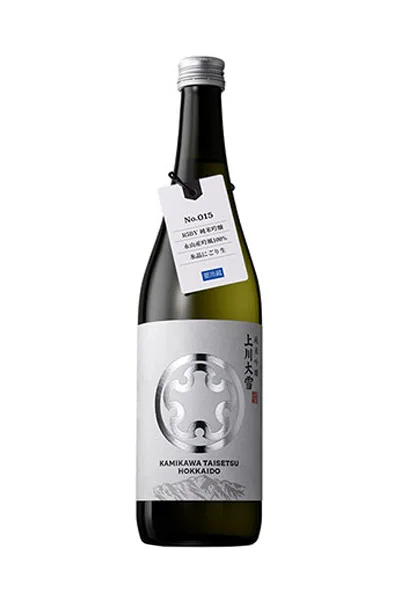
- Kamikawa Taisetsu Nagayama-san Ginpu Junmai Ginjo Hyosho Nigori Nama上川大雪 永山産吟風 純米吟醸 氷晶にごり 生酒
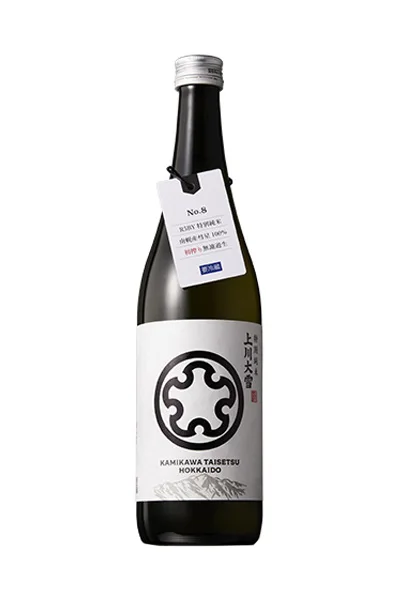
- Kamikawa Taisetsu Tokubetsu Junmai Nanporo-grown Suisei Hatsushibori Muroka Namazake上川大雪 特別純米 南幌産彗星 初搾り 無濾過生酒
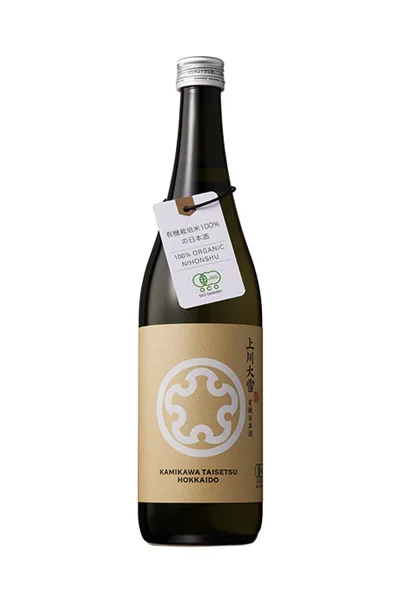
- Kamikawa Taisetsu 100% Organic Tobetsu-grown Ginpu Namazake上川大雪 100%オーガニック 当別産 吟風 生酒