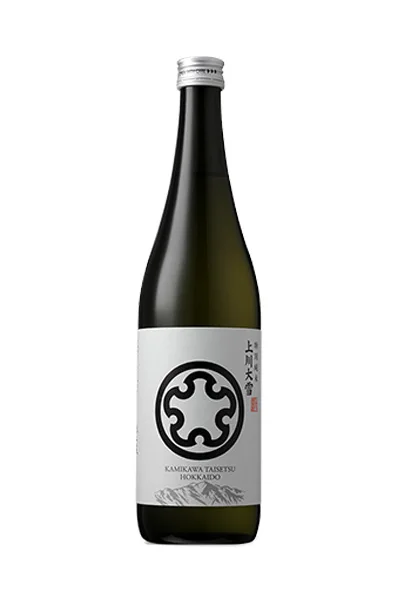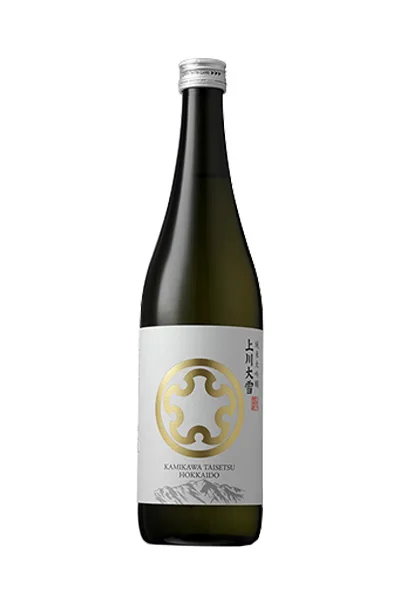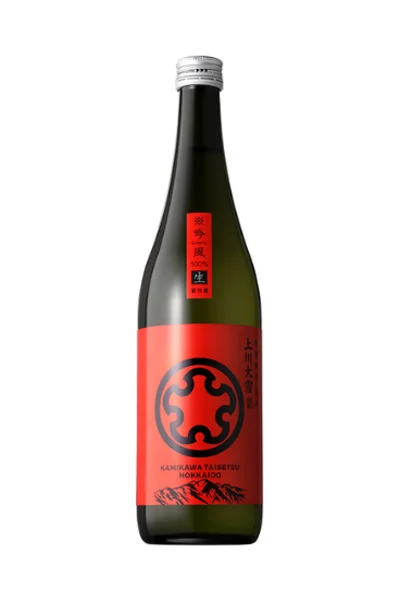
Kamikawa Taisetsu Tokubetsu Junmai Karakuchi Ginpu Nama
上川大雪 特別純米 辛口 吟風・生酒Tokubetsu junmai, Ginpu rice polished to 60%, unpasteurized (nama), dry
Kamikawa Taisetsu — Kamikawa Taisetsu Sake Brewery, Hokkaido
Limited quantity, returning after last year's popular Tokubetsu Junmai Karakuchi Ginpu.
Specifications
- Type
- Tokubetsu Junmai
- Rice
- Ginpu
- Rice polishing ratio
- 60%40% of each grain polished away
- Yeast
- Not disclosed
- Alcohol
- 16%
- Sake meter value
- +6very dry
How to read these
- Type
- The grade printed on the label. It depends on the ingredients (rice only, or with a little distilled alcohol) and on how far the rice is polished. More
- Rice
- The rice variety. Most premium sake uses varieties grown for brewing, such as Yamada Nishiki. More
- Rice polishing ratio
- How much of each grain is left after polishing. A lower number means more was milled away, which usually gives a lighter, more aromatic sake. More
- Yeast
- The yeast strain, which shapes the aroma. More
- Alcohol
- Alcohol by volume. Most sake is 15–16%; undiluted (genshu) sake is often 17–18%. More
- Sake meter value
- A sweet-to-dry scale. Plus is drier, minus is sweeter. Acidity changes how it tastes, so treat it as a rough guide. More
Flavor profile Clean & dry
Clean & dry — restrained aroma, crisp and refreshing. Known in Japan as so-shu (爽酒).
The SMV of +6, the fresh nama style and the description of a clear, dry, crisp palate point to restrained aroma, light body and low sweetness. Its 60% polishing and 16% alcohol support a clean, lightly rich profile.
Estimated by AI from the published specifications and the brewery's description; your impression may differ.
About
“Sake meter value +6.” This year we have once again produced a fresh, dry namazake. Kamikawa Taisetsu Sake Brewery does not normally publish sake meter values. Numerical classifications and labels offer some degree of differentiation, but they are meant only as a reference. We would rather people enjoy the sake through their own senses, without being swayed by words such as sweet or dry. The perception of sweetness and dryness also varies by region, depending on local food culture. However, we labeled this sake karakuchi because many customers asked for a dry sake. Please enjoy the dry sake as we understand it, shaped by the climate of Hokkaido. When chilled thoroughly, its clear, dry character becomes even more pronounced. Even in this muggy season, we think you will find yourself drinking it down with gusto. Please enjoy it with Hokkaido's seasonal foods. Note: Sake meter value (nihonshudo) indicates the specific gravity of sake. Compared with ordinary water, the more extract such as sugar a liquid contains, the heavier it becomes. A positive value means less sugar and a drier sake; a negative value means more sugar and a sweeter sake. Note: Nomasaru is a Hokkaido dialect expression meaning to end up drinking more than intended.
Other sake from this brand 15
- Kamikawa Taisetsu Junmai Daiginjo 35% Nagayama-san Kitashizuku上川大雪 純米大吟醸35% 永山産きたしずく
- Kamikawa Taisetsu Yamahai Junmai Nanporo-grown Kitashizuku上川大雪 山廃酛 純米 南幌産きたしずく
- Kamikawa Taisetsu Tokubetsu Junmai上川大雪 特別純米
- Kamikawa Taisetsu Junmai Ginjo上川大雪 純米吟醸
- Kamikawa Taisetsu Junmai Daiginjo 40上川大雪 純米大吟醸40
- Kamikawa Taisetsu Junmai Daiginjo 35上川大雪 純米大吟醸35
- Kamikawa Taisetsu Uryu-grown Suisei Yamahai Junmai Akijuku上川大雪 雨竜産彗星 山廃酛 純米 秋熟
- Kamikawa Taisetsu Nagayama-san Ginpu Junmai Ginjo Shiro Koji Muroka Nama上川大雪 永山産吟風 純米吟醸 白麹 無濾過生酒
- Kamikawa Taisetsu Nagayama-san Ginpu Junmai Ginjo Hyosho Nigori Nama上川大雪 永山産吟風 純米吟醸 氷晶にごり 生酒
- Kamikawa Taisetsu Tokubetsu Junmai Nanporo-grown Suisei Hatsushibori Muroka Namazake上川大雪 特別純米 南幌産彗星 初搾り 無濾過生酒
- Kamikawa Taisetsu 100% Organic Tobetsu-grown Ginpu Namazake上川大雪 100%オーガニック 当別産 吟風 生酒
- Kamikawa Taisetsu Nagayama-san Suisei Tokubetsu Junmai Muroka Nama上川大雪 永山産彗星 特別純米 無濾過生酒