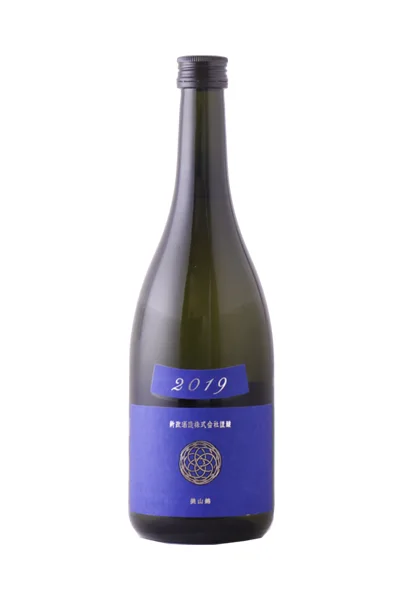
Colors Ruri (Lapis Lazuli)
カラーズ 瑠璃(ラピスラズリ)Miyama Nishiki rice polished to 55%, undiluted (genshu)
Colors — Aramasa Shuzo, Akita
A gentle aroma and clean, natural sweetness of rice
Specifications
- Type
- Genshu
- Rice
- Miyama Nishiki
- Rice polishing ratio
- 55%45% of each grain polished away
- Yeast
- Kyokai No. 6
- Alcohol
- 13–16%
- Sake meter value
- +0medium
How to read these
- Type
- The grade printed on the label. It depends on the ingredients (rice only, or with a little distilled alcohol) and on how far the rice is polished. More
- Rice
- The rice variety. Most premium sake uses varieties grown for brewing, such as Yamada Nishiki. More
- Rice polishing ratio
- How much of each grain is left after polishing. A lower number means more was milled away, which usually gives a lighter, more aromatic sake. More
- Yeast
- The yeast strain, which shapes the aroma. More
- Alcohol
- Alcohol by volume. Most sake is 15–16%; undiluted (genshu) sake is often 17–18%. More
- Sake meter value
- A sweet-to-dry scale. Plus is drier, minus is sweeter. Acidity changes how it tastes, so treat it as a rough guide. More
Flavor profile Clean & dry
Clean & dry — restrained aroma, crisp and refreshing. Known in Japan as so-shu (爽酒).
A 55% polishing ratio, SMV 0, and 100% Miyamanishiki point to restrained aroma, while the description's gentle, light character and clean rice sweetness place it in the so quadrant. The genshu strength adds moderate richness without making the body heavy.
Estimated by AI from the published specifications and the brewery's description; your impression may differ.
About
A standard release that showcases the clear, refined character of Miyama Nishiki, the sake rice representative of the Tohoku region. The rice is milled using a distinctive method called henpei seimai (flat polishing), which brings out the nature of the rice while giving the sake a light, buoyant character. "Lapis" serves as a "fixed-point observation" work that expresses the basic flavor profile of Aramasa. Made with 100% Miyama Nishiki, this is a sake of junmai-class quality. While No6 is a namazake, the Colors series is pasteurized, resulting in a mild sake that pairs well with food. Commonly known as "Lapis."
Other sake from this brand 4
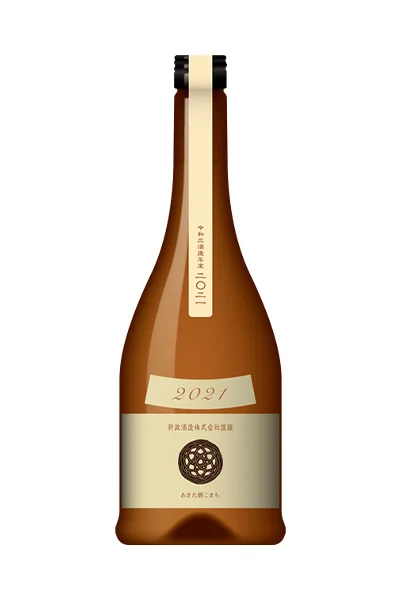
- Colors Ecruカラーズ エクリュ
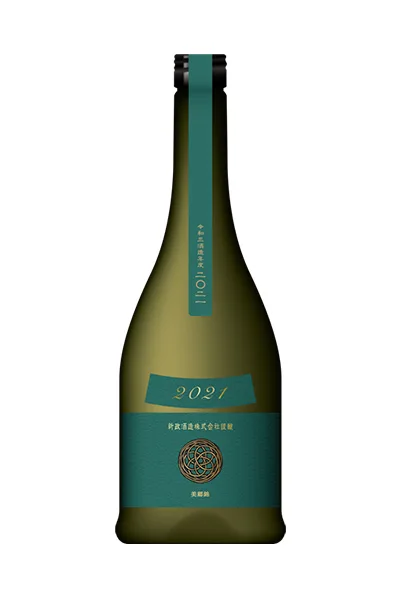
- Colors Viridianカラーズ ヴィリジアン
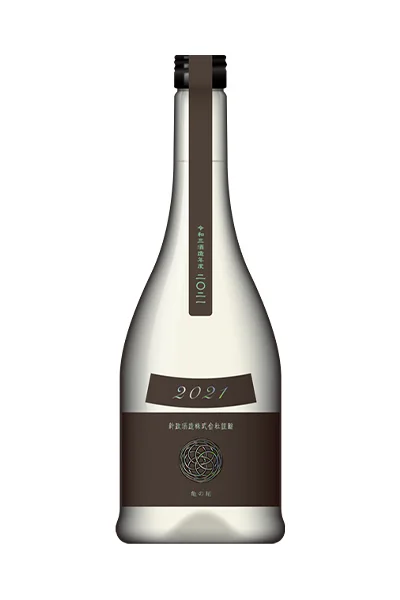
- Colors Asshuカラーズ アッシュ
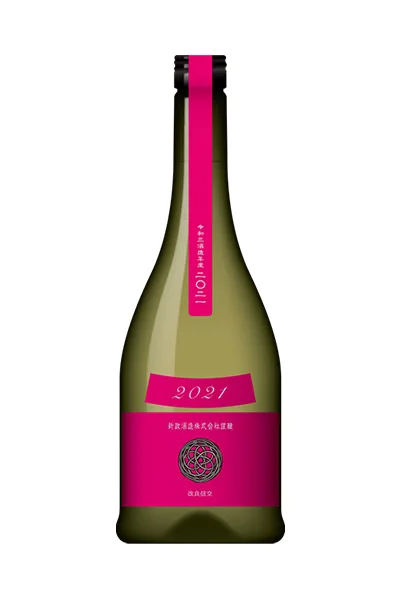
- Colors Kosumosuカラーズ コスモス