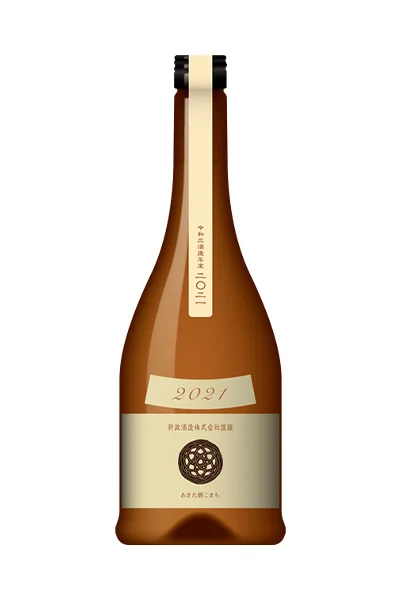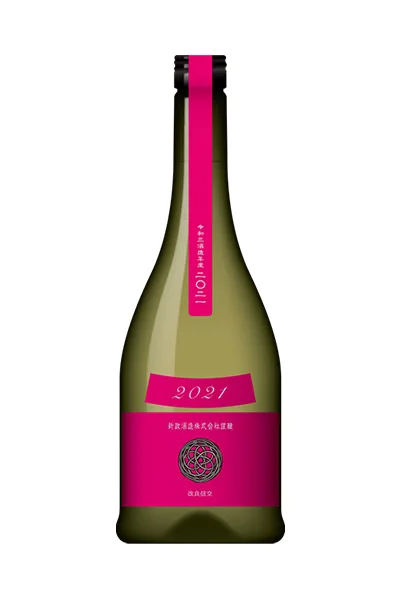
Colors Kosumosu
カラーズ コスモスRice polished to 60%, undiluted (genshu)
Colors — Aramasa Shuzo, Akita
Known affectionately as Cosmos.
Specifications
- Type
- Genshu
- Rice
- Not disclosed
- Rice polishing ratio
- 60%40% of each grain polished away
- Yeast
- Kyokai No. 6
- Alcohol
- 13%
How to read these
- Type
- The grade printed on the label. It depends on the ingredients (rice only, or with a little distilled alcohol) and on how far the rice is polished. More
- Rice
- The rice variety. Most premium sake uses varieties grown for brewing, such as Yamada Nishiki. More
- Rice polishing ratio
- How much of each grain is left after polishing. A lower number means more was milled away, which usually gives a lighter, more aromatic sake. More
- Yeast
- The yeast strain, which shapes the aroma. More
- Alcohol
- Alcohol by volume. Most sake is 15–16%; undiluted (genshu) sake is often 17–18%. More
Flavor profile Full & complex
Full & complex — aromatic and full-bodied, including aged sake. Known in Japan as juku-shu (熟酒).
The 60% polishing ratio and genshu bottling suggest a moderate aroma and a fuller body. The description of a smooth, flowing texture points to medium sweetness and a gently rounded richness.
Estimated by AI from the published specifications and the brewery's description; your impression may differ.
About
Kairyo Shinkou (改良信交) is a sake rice variety first developed in Akita in 1959 (Showa 34). It has Shinkou No. 190 as one of its parents, so it is a sibling of Miyama Nishiki in terms of lineage. In flavor, however, the two could be described as near opposites. Miyama Nishiki gives a firm, hard impression, while Kairyo Shinkou is consistently smooth and gently expansive.
Other sake from this brand 4
- Colors Ecruカラーズ エクリュ
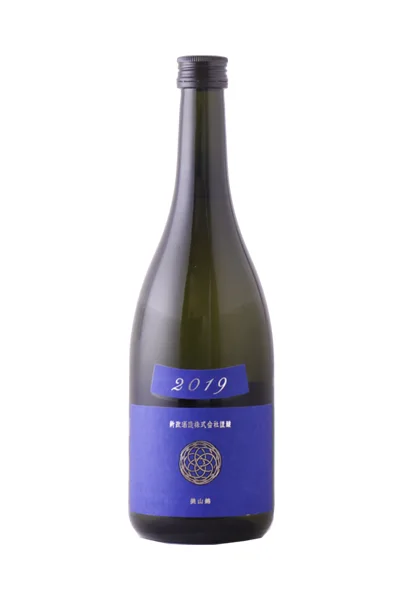
- Colors Ruri (Lapis Lazuli)カラーズ 瑠璃(ラピスラズリ)
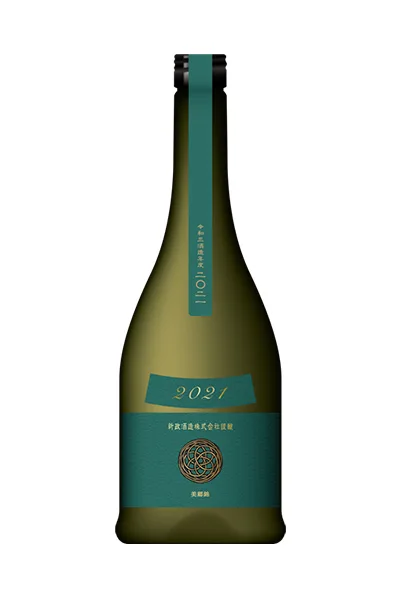
- Colors Viridianカラーズ ヴィリジアン
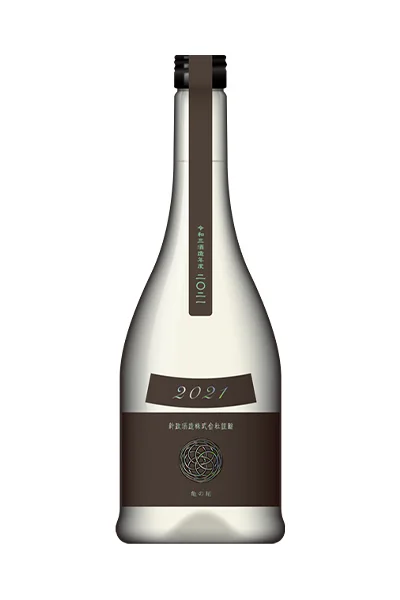
- Colors Asshuカラーズ アッシュ