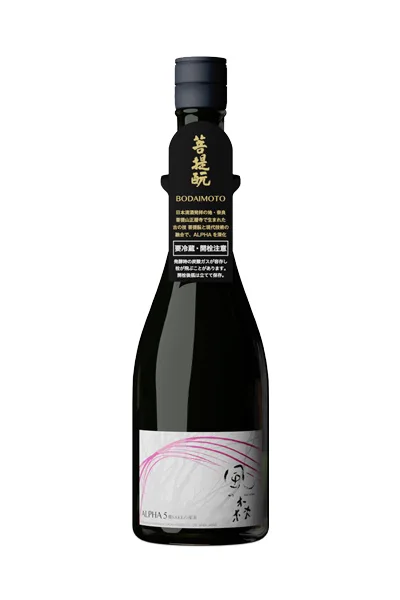
Kaze no Mori ALPHA 5 "Kan SAKE no Tankyu"
風の森 ALPHA 5 「燗 SAKE の探求」Junmai, rice polished to 80%, unfiltered, unpasteurized and undiluted (muroka nama genshu), made for drinking warm
Kaze no Mori — Yucho Shuzo, Nara
Two techniques designed so that warming the sake lets you taste how its flavor changes with temperature.
Specifications
- Type
- Junmai Shu
- Rice
- Not disclosed
- Rice polishing ratio
- 80%20% of each grain polished away
- Yeast
- Not disclosed
- Alcohol
- 17–18%
- Sake meter value
- +4dry
- Acidity
- 1.6
How to read these
- Type
- The grade printed on the label. It depends on the ingredients (rice only, or with a little distilled alcohol) and on how far the rice is polished. More
- Rice
- The rice variety. Most premium sake uses varieties grown for brewing, such as Yamada Nishiki. More
- Rice polishing ratio
- How much of each grain is left after polishing. A lower number means more was milled away, which usually gives a lighter, more aromatic sake. More
- Yeast
- The yeast strain, which shapes the aroma. More
- Alcohol
- Alcohol by volume. Most sake is 15–16%; undiluted (genshu) sake is often 17–18%. More
- Sake meter value
- A sweet-to-dry scale. Plus is drier, minus is sweeter. Acidity changes how it tastes, so treat it as a rough guide. More
- Acidity
- Total acid. Higher tends to taste fuller and drier; lower tastes lighter and sweeter. More
Flavor profile Rich & umami
Rich & umami — rice-driven umami and a fuller body. Known in Japan as jun-shu (醇酒).
SMV +4, acidity 1.6, and a 17-18% genshu junmai with lactic-fermented yeast starter acids and amino acids point to a fuller, savory body with restrained aroma. Partial koshu in the brewing water adds natural sweetness, placing it in the jun quadrant.
Estimated by AI from the published specifications and the brewery's description; your impression may differ.
About
By using a proprietary shubo (yeast starter) that employs lactic acid fermentation, the acids and amino acids produced by lactic acid bacteria give the sake layered complexity and breadth. In addition, koshu (aged sake) is partially used in place of some brewing water, creating a natural sweetness and adding the refined depth that only sake given time can have. Warming the sake brings these characteristics out even more clearly. The sake has a beautiful golden color derived from the koshu. Pour it into a glass and enjoy. Kazenomori ALPHA A brand that sets goals beyond the traditional framework of Kazenomori and pursues the potential of sake through original techniques.
Other sake from this brand 21
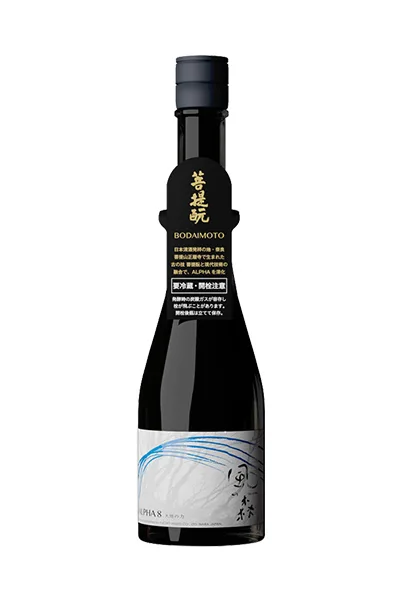
- Kaze no Mori ALPHA 8 "Daichi no Chikara"風の森 ALPHA 8 「大地の力」
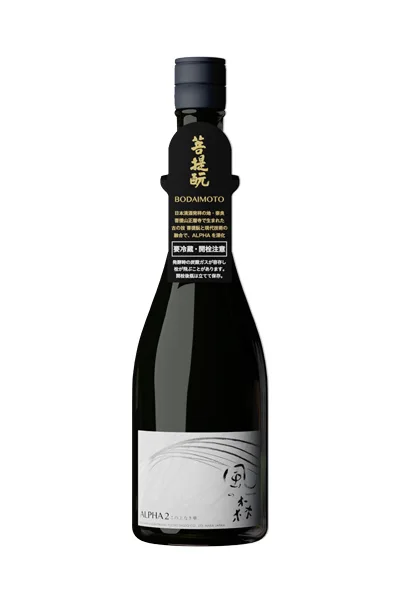
- Kaze no Mori ALPHA 2 "Kono Ue Naki Hana"風の森 ALPHA 2 「この上なき華」
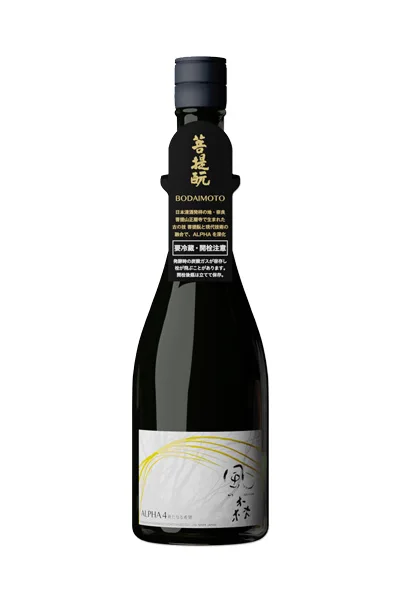
- Kaze no Mori ALPHA 4 "Aratanaru Kibo"風の森 ALPHA 4 「新たなる希望」
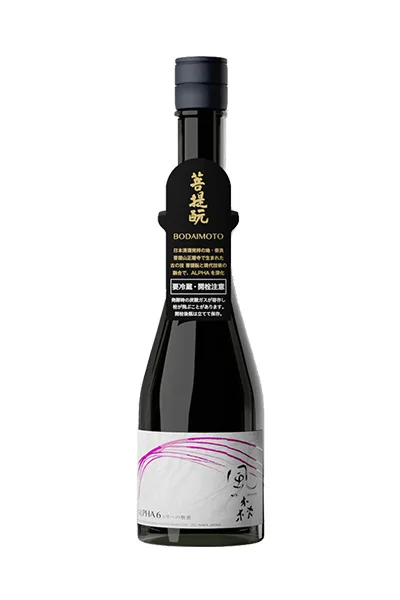
- Kaze no Mori ALPHA 6 "Rokugo e no Keii"風の森 ALPHA 6 「6号への敬意」
- Kaze no Mori ALPHA TYPE7 2020風の森 ALPHA TYPE7 2020
- Kaze no Mori ALPHA1 "Jisho e no Tobira"風の森 ALPHA1 「次章への扉」
- Kaze no Mori ALPHA 3 "Sekai e no Kakehashi"風の森 ALPHA 3 「世界への架け橋」
- Kaze no Mori Aiyama 807風の森 愛山 807
- Kaze no Mori Akitsuho 657風の森 秋津穂 657
- Kaze no Mori Akitsuho 507風の森 秋津穂 507
- Kaze no Mori Akitsuho 807風の森 秋津穂 807
- Kaze no Mori Omachi 807風の森 雄町 807