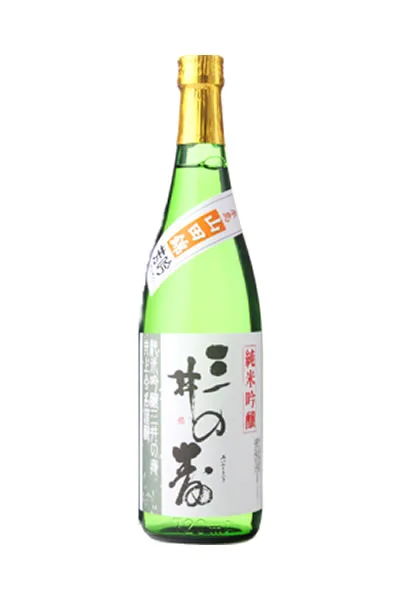
Mii no Kotobuki Junmai Ginjo Kaori Gin
三井の寿 純米吟醸 芳吟Junmai ginjo, Yamada Nishiki rice polished to 55%
Mii no Kotobuki — Mii no Kotobuki, Fukuoka
Soft umami and a clean finish, with a gentle touch of acidity.
Specifications
- Type
- Junmai Ginjo
- Rice
- Yamada Nishiki
- Rice polishing ratio
- 55%45% of each grain polished away
- Yeast
- Not disclosed
- Alcohol
- 15%
- Sake meter value
- +2–+3slightly dry
- Acidity
- 1.4
How to read these
- Type
- The grade printed on the label. It depends on the ingredients (rice only, or with a little distilled alcohol) and on how far the rice is polished. More
- Rice
- The rice variety. Most premium sake uses varieties grown for brewing, such as Yamada Nishiki. More
- Rice polishing ratio
- How much of each grain is left after polishing. A lower number means more was milled away, which usually gives a lighter, more aromatic sake. More
- Yeast
- The yeast strain, which shapes the aroma. More
- Alcohol
- Alcohol by volume. Most sake is 15–16%; undiluted (genshu) sake is often 17–18%. More
- Sake meter value
- A sweet-to-dry scale. Plus is drier, minus is sweeter. Acidity changes how it tastes, so treat it as a rough guide. More
- Acidity
- Total acid. Higher tends to taste fuller and drier; lower tastes lighter and sweeter. More
Flavor profile Aromatic & light
Aromatic & light — fruity, floral aroma with a light body. Known in Japan as kun-shu (薫酒).
A 55% polished Yamada Nishiki junmai ginjo with a gentle ginjo aroma, umami and mellow acidity described in the text. The SMV of 2 to 3 and acidity of 1.4 point to a moderate aroma, a light-to-medium body and a slightly soft sweetness.
Estimated by AI from the published specifications and the brewery's description; your impression may differ.
About
Miinokotobuki is made with Yamada Nishiki grown in Itoshima City, Fukuoka Prefecture, and fukuryusui (underground flowing water, groundwater that moves through subsurface layers) from the Koishiwara River, which runs alongside the brewery. The result is a richly flavored sake in which mellow acidity and umami come together in harmony. It has a subtle ginjo aroma and a firm yet gentle body. Its well-judged balance makes it a sake that pairs naturally with food.
Other sake from this brand 21
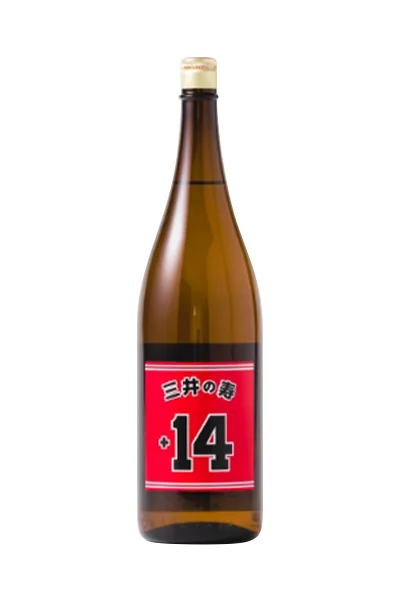
- Mii no Kotobuki Junmai Ginjo +14 Dai-karakuchi三井の寿 純米吟醸 +14大辛口
- Mii no Kotobuki Junmai Ginjo Sake Mirai三井の寿 純米吟醸 酒未来
- Mii no Kotobuki Kinka三井の寿 金華
- Mii no Kotobuki Junmai Daiginjo Fuku三井の寿 純米大吟醸 福
- Mii no Kotobuki Shibori Genshu Nama三井の寿 しぼり原酒 生
- Mii no Kotobuki Junmai Ginjo Kifune Shibori Nama Genshu三井の寿 純米吟醸 木槽しぼり 生原酒
- Mii no Kotobuki Junmai Ginjo Oita Mii三井の寿 純米吟醸 大分三井
- Mii no Kotobuki Junmai Ginjo Made with Wine Yeast三井の寿 ワイン酵母で造った純米吟醸酒
- Miino Kotobuki Daiginjo Zenkoku Kinsho Jushoshu三井の寿 大吟醸 全国金賞受賞酒
- Mii no Kotobuki Junmai Ginjo Izumi三井の寿 純米吟醸 泉
- Mii no Kotobuki Daiginjo Kan no Kura三井の寿 大吟醸 寒乃蔵
- Mii no Kotobuki Kokuryomiyako三井の寿 穀良都