

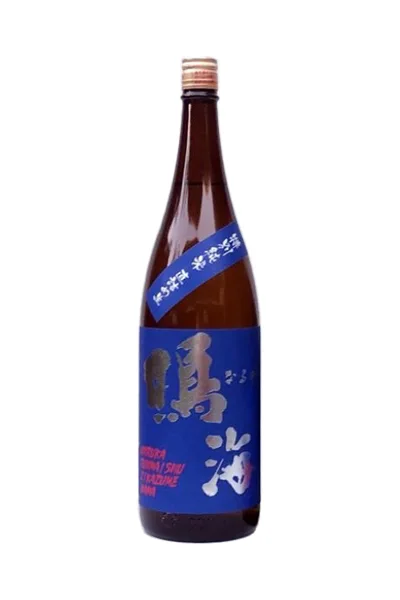
Naruka Tokubetsu Junmai Jikizume Nama Gohyakumangoku
鳴海 特別純米 直詰め 生 五百万石Tokubetsu junmai, Gohyakumangoku rice polished to 60%, unpasteurized (nama)
Naruka — Azumanada Jozo, Chiba
Our classic blue-label Jikizume, and this one is brewed with kimoto (traditional yeast-starter method) as well.
Specifications
- Type
- Tokubetsu Junmai
- Rice
- Not disclosed
- Rice polishing ratio
- 60%40% of each grain polished away
- Yeast
- Kyokai No. 14
- Alcohol
- 15%
- Sake meter value
- +15very dry
- Acidity
- 1.8
How to read these
- Type
- The grade printed on the label. It depends on the ingredients (rice only, or with a little distilled alcohol) and on how far the rice is polished. More
- Rice
- The rice variety. Most premium sake uses varieties grown for brewing, such as Yamada Nishiki. More
- Rice polishing ratio
- How much of each grain is left after polishing. A lower number means more was milled away, which usually gives a lighter, more aromatic sake. More
- Yeast
- The yeast strain, which shapes the aroma. More
- Alcohol
- Alcohol by volume. Most sake is 15–16%; undiluted (genshu) sake is often 17–18%. More
- Sake meter value
- A sweet-to-dry scale. Plus is drier, minus is sweeter. Acidity changes how it tastes, so treat it as a rough guide. More
- Acidity
- Total acid. Higher tends to taste fuller and drier; lower tastes lighter and sweeter. More
Flavor profile Clean & dry
Clean & dry — restrained aroma, crisp and refreshing. Known in Japan as so-shu (爽酒).
Sake meter value +15, acidity 1.8, and the brewer's note that it turned out drier than planned point to a dry, crisp profile with restrained aroma. Kimoto acidity and umami add some body, but the overall impression stays light and refreshing.
Estimated by AI from the published specifications and the brewery's description; your impression may differ.
About
Because the hiyaoroshi (sake aged over the summer and released in autumn) was well received, we used Kyokai No. 14 yeast and Gohyakumangoku rice polished to a rice polishing ratio of 60%. We aimed for a fresh aroma and flavor with a gentle sweetness, but it ended up drier than planned. For that reason, we set the alcohol content in the 15% range to preserve a refreshing character. I think it is interesting to compare it with the white-label sake we released recently.
Other sake from this brand 6
- Naruka Muroka Ginjo Nama鳴海 無濾過 吟醸 生酒
- Naruka Daiginjo Genshu Namazume鳴海 大吟醸 原酒 生詰
- Naruka Junmai Ginjo Jikizume Nama Sakekomachi鳴海 純米吟醸 直詰め 生 酒こまち
- Naruka Junmai Muroka Nama Genshu鳴海 無濾過 純米 生原酒
- Naruka Junmai Ginjo Muroka Hiire鳴海 純米吟醸 無濾過 火入れ
- Naruka Junmai Ginjo Jikizume Nama Yamada Nishiki鳴海 純米吟醸 直詰め 生 山田錦