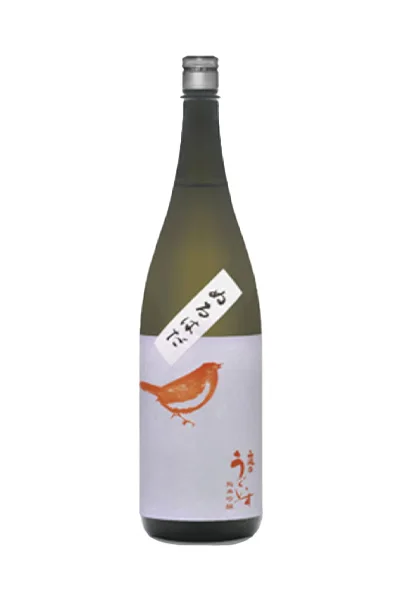
Niwa no Uguisu Nuruhada
庭のうぐいす ぬるはだJunmai ginjo, rice polished to 50%
Niwa no Uguisu — Yamaguchi Shuzojo, Fukuoka
“The finer the sake, the more it deserves to be warmed,” as one predecessor once said.
Specifications
- Type
- Junmai Ginjo
- Rice
- Not disclosed
- Rice polishing ratio
- 50%50% of each grain polished away
- Yeast
- Not disclosed
- Alcohol
- 14%
- Sake meter value
- +2slightly dry
- Acidity
- 1.5
How to read these
- Type
- The grade printed on the label. It depends on the ingredients (rice only, or with a little distilled alcohol) and on how far the rice is polished. More
- Rice
- The rice variety. Most premium sake uses varieties grown for brewing, such as Yamada Nishiki. More
- Rice polishing ratio
- How much of each grain is left after polishing. A lower number means more was milled away, which usually gives a lighter, more aromatic sake. More
- Yeast
- The yeast strain, which shapes the aroma. More
- Alcohol
- Alcohol by volume. Most sake is 15–16%; undiluted (genshu) sake is often 17–18%. More
- Sake meter value
- A sweet-to-dry scale. Plus is drier, minus is sweeter. Acidity changes how it tastes, so treat it as a rough guide. More
- Acidity
- Total acid. Higher tends to taste fuller and drier; lower tastes lighter and sweeter. More
Flavor profile Full & complex
Full & complex — aromatic and full-bodied, including aged sake. Known in Japan as juku-shu (熟酒).
This junmai ginjo is polished to 50% with an SMV of +2 and acidity of 1.5, and the text describes balanced sweetness, acidity and a mature character. That points to a restrained-to-moderate aroma, a rounded medium-full body, and mid-level sweetness that opens up when warmed.
Estimated by AI from the published specifications and the brewery's description; your impression may differ.
About
Delicate yet firmly structured, with a clear sense of acidity and sweetness, and a pleasant feeling of gentle aging. The name reflects the wish that this sake be enjoyed slightly warmed, from nurukan (lukewarm sake) to hitohadakan (sake warmed to body temperature).
Other sake from this brand 15
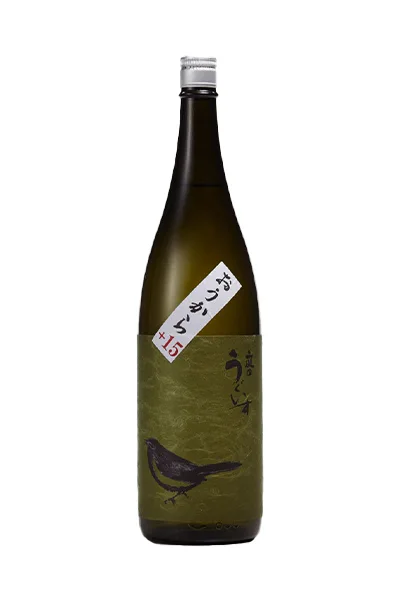
- Niwa no Uguisu Oukara庭のうぐいす おうから
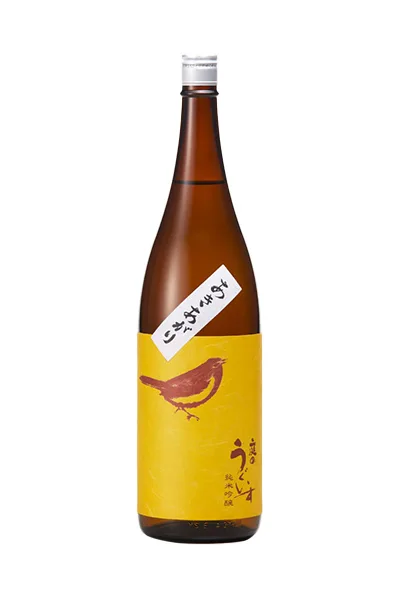
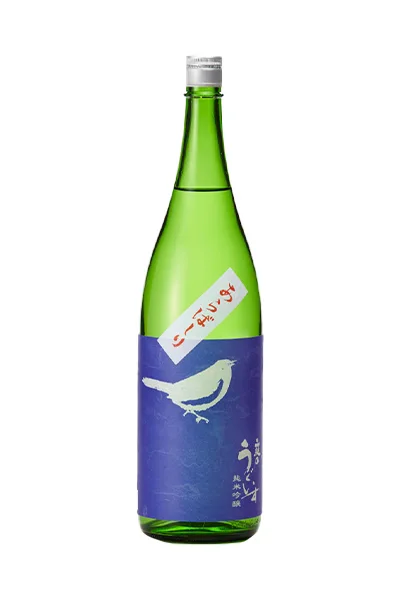
- Niwa no Uguisu Junmai Ginjo Akiagari庭のうぐいす 純米吟醸 あきあがり
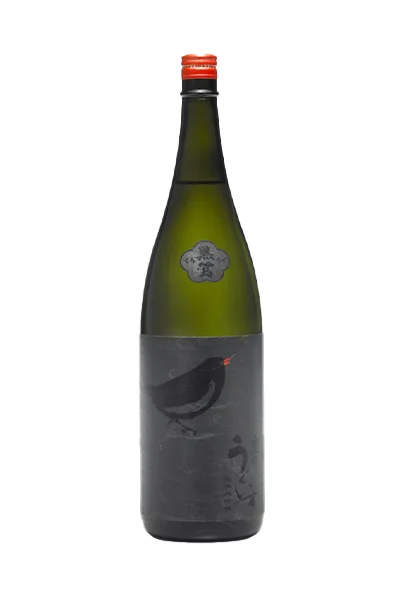
- Niwa no Uguisu Junmai Daiginjo Kurougu庭のうぐいす 純米大吟醸 くろうぐ
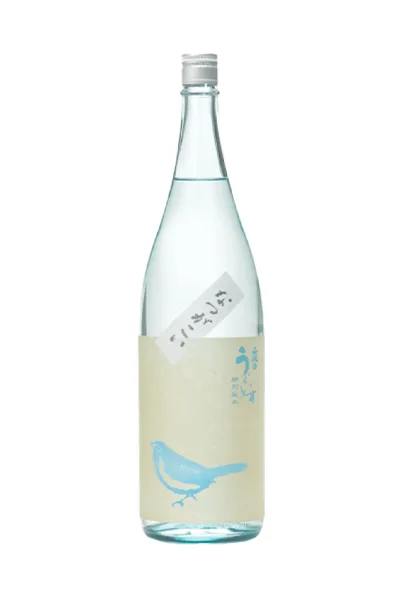
- Niwa no Uguisu Tokubetsu Junmai Natsu ga Koi庭のうぐいす 特別純米 なつがこい
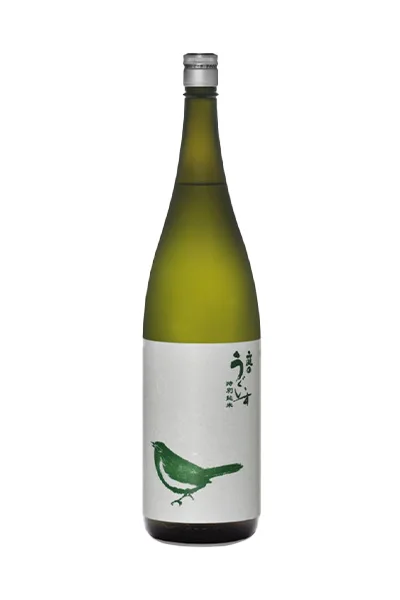
- Niwa no Uguisu Tokubetsu Junmai庭のうぐいす 特別純米
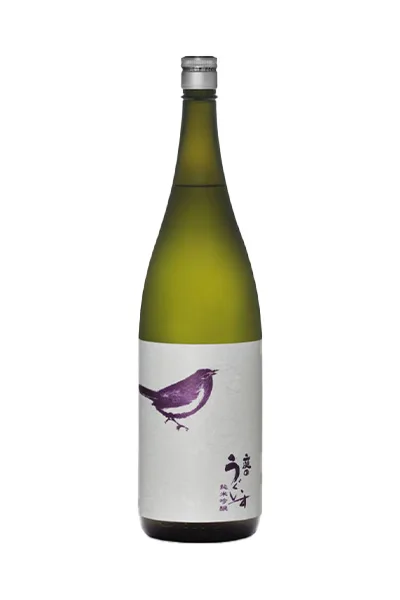
- Niwa no Uguisu Junmai Ginjo庭のうぐいす 純米吟醸
- Niwa no Uguisu Junmai Ginjo Arabashiri庭のうぐいす 純米吟醸 あらばしり
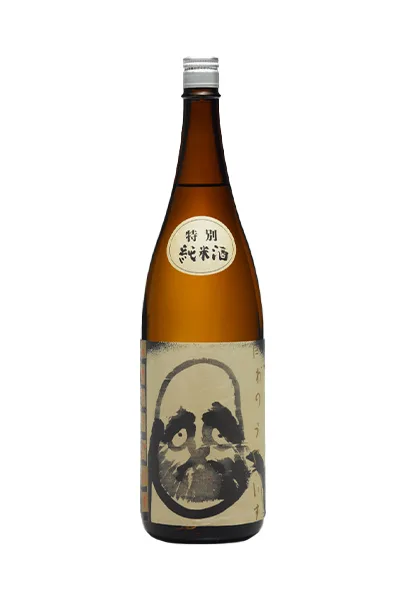
- Niwa no Uguisu Daruma Label庭のうぐいす だるまラベル
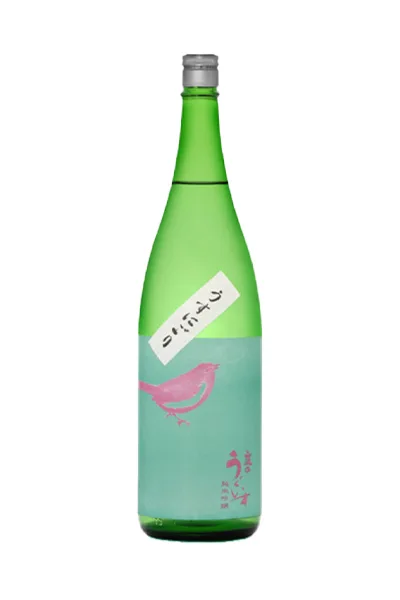
- Niwa no Uguisu Junmai Ginjo Usunigori庭のうぐいす 純米吟醸 うすにごり
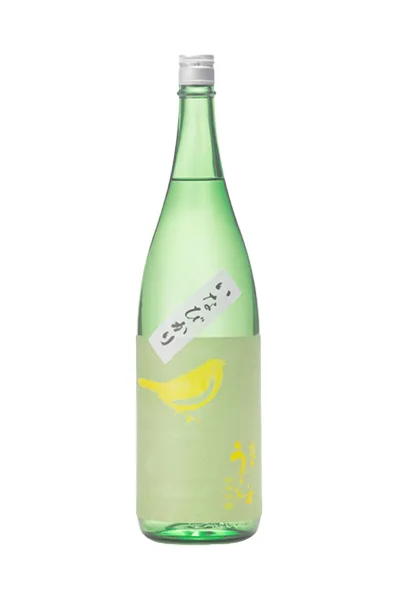
- Niwa no Uguisu Junmai Ginjo Inabikari庭のうぐいす 純米吟醸 いなびかり
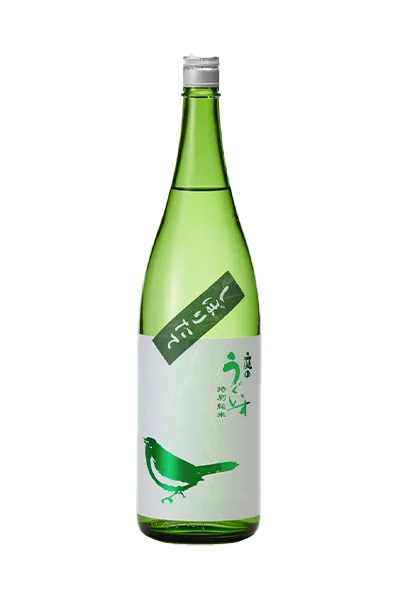
- Niwa no Uguisu Tokubetsu Junmai Shiboritate庭のうぐいす 特別純米 しぼりたて
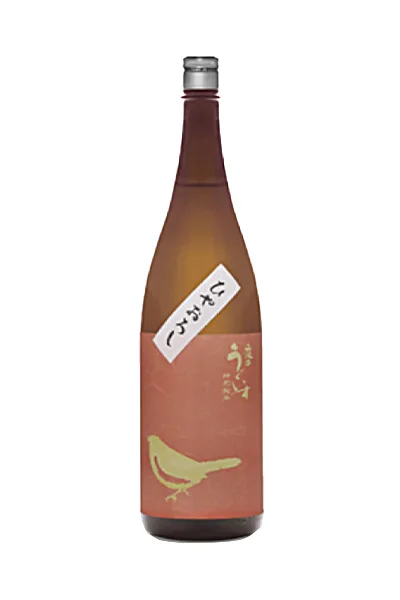
- Niwa no Uguisu Tokubetsu Junmai Hiyaoroshi庭のうぐいす 特別純米 ひやおろし