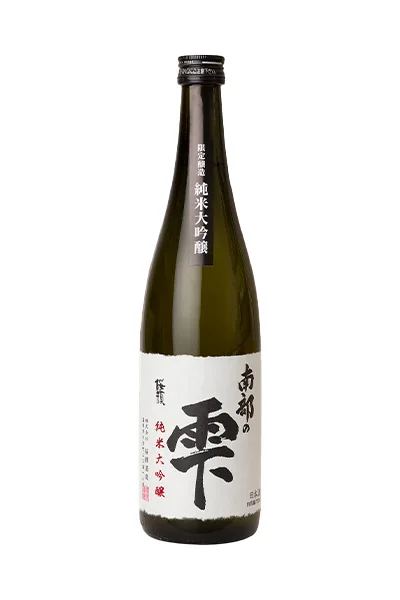
Sakuragao Junmai Daiginjo Nama Nanbu no Shizuku
桜顔 純米大吟醸 生 南部の雫Junmai daiginjo, rice polished to 50%, unpasteurized (nama), drip-pressed from hanging bags (shizuku)
Sakuragao — Sakuragao Shuzo, Iwate
Gentle aromas and refined umami from 100% Gin Ginga rice. Brewed with Iwate's own Yuko no Omoi yeast, a sake that expresses Iwate.
Specifications
- Type
- Junmai Daiginjo
- Rice
- Not disclosed
- Rice polishing ratio
- 50%50% of each grain polished away
- Yeast
- Not disclosed
- Alcohol
- 16%
- Sake meter value
- +1–+2slightly dry
- Acidity
- 1.2
How to read these
- Type
- The grade printed on the label. It depends on the ingredients (rice only, or with a little distilled alcohol) and on how far the rice is polished. More
- Rice
- The rice variety. Most premium sake uses varieties grown for brewing, such as Yamada Nishiki. More
- Rice polishing ratio
- How much of each grain is left after polishing. A lower number means more was milled away, which usually gives a lighter, more aromatic sake. More
- Yeast
- The yeast strain, which shapes the aroma. More
- Alcohol
- Alcohol by volume. Most sake is 15–16%; undiluted (genshu) sake is often 17–18%. More
- Sake meter value
- A sweet-to-dry scale. Plus is drier, minus is sweeter. Acidity changes how it tastes, so treat it as a rough guide. More
- Acidity
- Total acid. Higher tends to taste fuller and drier; lower tastes lighter and sweeter. More
Flavor profile Full & complex
Full & complex — aromatic and full-bodied, including aged sake. Known in Japan as juku-shu (熟酒).
The text describes a gentle aroma with a full, rounded palate, and the low acidity of 1.2 with SMV 1 to 2 suggests a soft, slightly sweet impression. Modest fragrance from the daiginjo polish combines with rich umami and fresh nama character, placing it in the juku quadrant near the center.
Estimated by AI from the published specifications and the brewery's description; your impression may differ.
About
A junmai daiginjo brewed with Gin Ginga rice grown in Iwate Prefecture (rice polishing ratio 50%) and an original Iwate yeast strain. The moromi (fermentation mash) was prepared through long, low-temperature fermentation, and the sake was pressed slowly in a fune (sake press), releasing a soft, gentle aroma and flavor. It is characterized by a rich aroma and a full, rounded palate.
Other sake from this brand 22
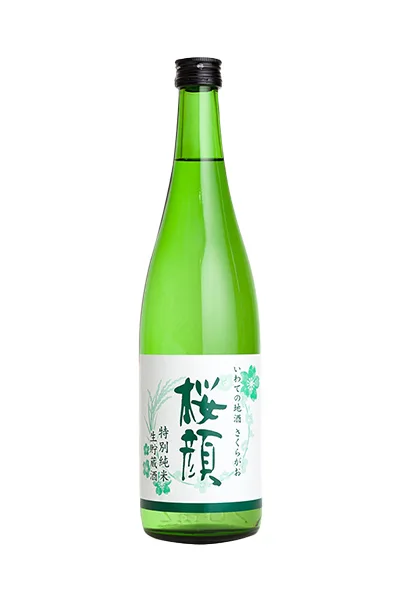
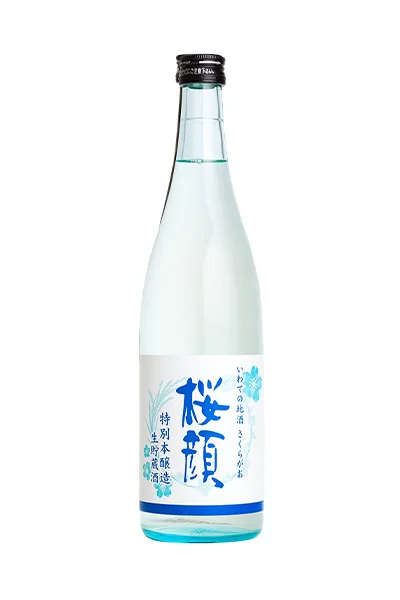
- Sakuragao Junmai Namachozo桜顔 純米 生貯蔵酒
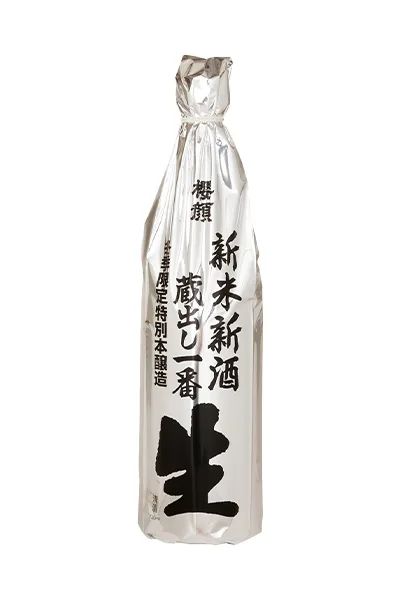
- Sakuragao Kuradashi Ichiban Nama桜顔 蔵出し 一番生
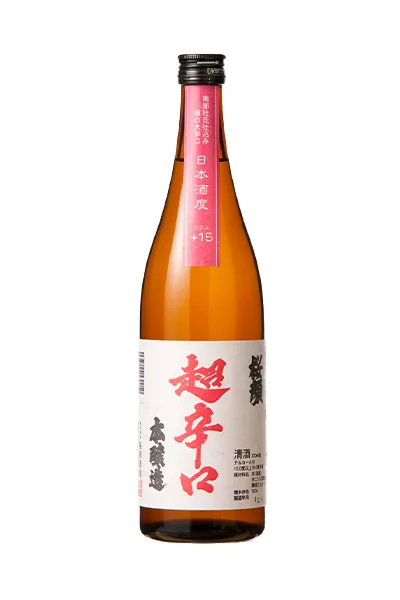
- Sakuragao Honjozo Cho-karakuchi桜顔 本醸造 超辛口
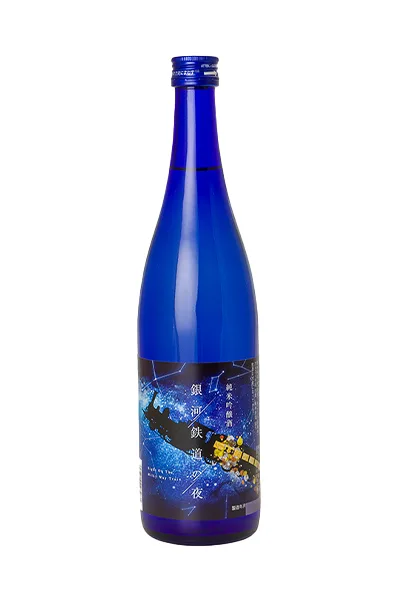
- Sakuragao Junmai Ginjo Ginga Tetsudo no Yoru桜顔 純米吟醸 銀河鉄道の夜
- Sakuragao Honjozo Namachozo桜顔 本醸造 生貯蔵酒
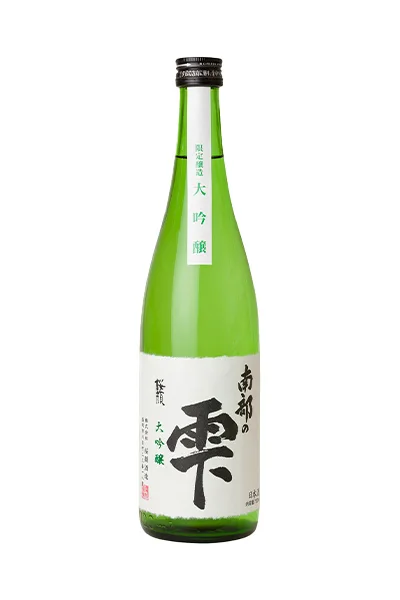
- Sakuragao Daiginjo Nanbu no Shizuku桜顔 大吟醸 南部の雫
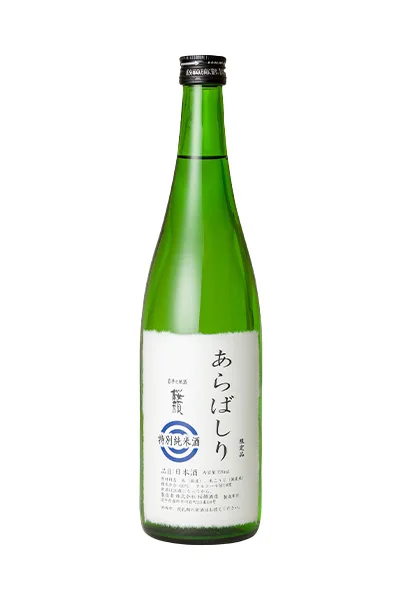
- Sakuragao Junmai Nama Genshu Arabashiri桜顔 純米 生原酒 荒ばしり
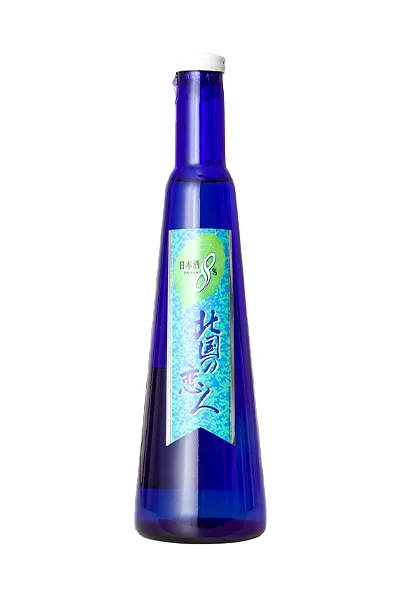
- Sakuragao Kitaguni no Koibito桜顔 北国の恋人
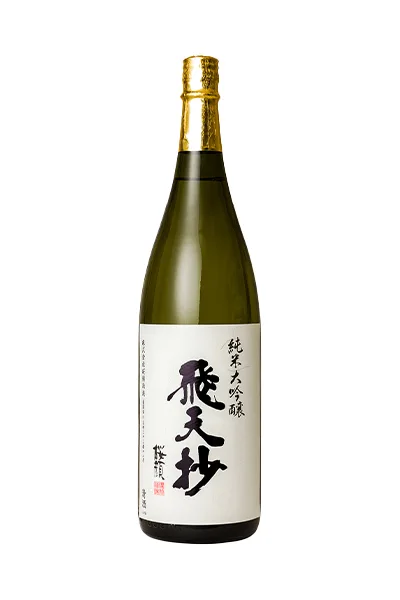
- Sakuragao Junmai Daiginjo Hiten Sho桜顔 純米大吟醸 飛天抄
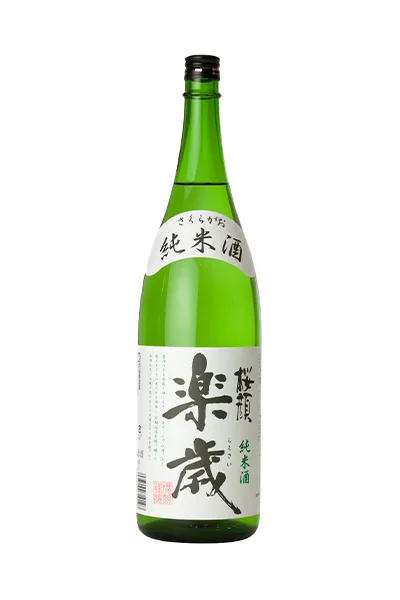
- Sakuragao Junmai Rakusai桜顔 純米酒 楽歳
- Sakuragao Josen桜顔 上撰
- Sakuragao Junmai Genshu Hachimaru桜顔 純米原酒 はちまる