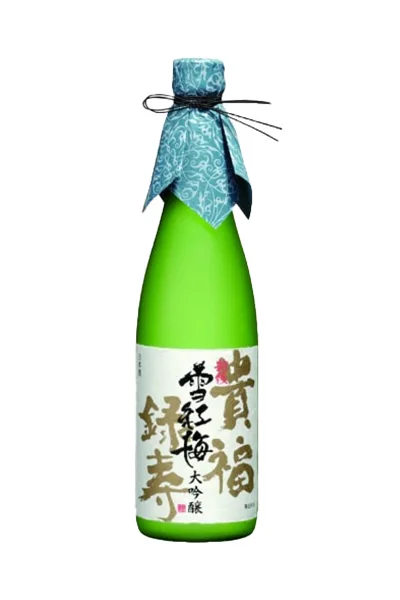
Echigo Sekkobai Daiginjo Genshu Kifukuroku Kotobuki
越後 雪紅梅 大吟醸 原酒 貴福録寿Daiginjo, rice polished to 40%, undiluted (genshu)
Echigo Sekkobai — Hasegawa Shuzo, Niigata
A distinguished gift to celebrate happiness, prosperity, and long life.
Specifications
- Type
- Daiginjo
- Rice
- Not disclosed
- Rice polishing ratio
- 40%60% of each grain polished away
- Yeast
- Not disclosed
- Alcohol
- 16%
How to read these
- Type
- The grade printed on the label. It depends on the ingredients (rice only, or with a little distilled alcohol) and on how far the rice is polished. More
- Rice
- The rice variety. Most premium sake uses varieties grown for brewing, such as Yamada Nishiki. More
- Rice polishing ratio
- How much of each grain is left after polishing. A lower number means more was milled away, which usually gives a lighter, more aromatic sake. More
- Yeast
- The yeast strain, which shapes the aroma. More
- Alcohol
- Alcohol by volume. Most sake is 15–16%; undiluted (genshu) sake is often 17–18%. More
Flavor profile Aromatic & light
RestrainedAromatic
RichLight
Aromatic & light — fruity, floral aroma with a light body. Known in Japan as kun-shu (薫酒).
The 40% polishing ratio and daiginjo designation point to a fragrant, clean profile, while the genshu style adds some body. Cold, slow fermentation suggests a balanced, moderately rich sake with gentle sweetness.
Estimated by AI from the published specifications and the brewery's description; your impression may differ.
About
Yamada Nishiki, the pinnacle of sake rice, is polished to a rice polishing ratio of 40% and brewed slowly at low temperatures in the depths of winter.
Other sake from this brand 11
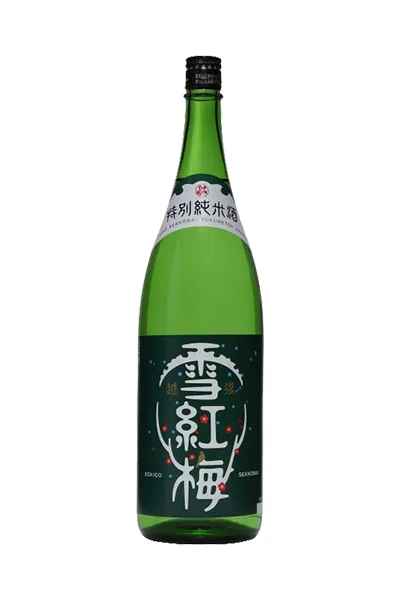
- Echigo Sekkobai Tokubetsu Junmai越後 雪紅梅 特別純米
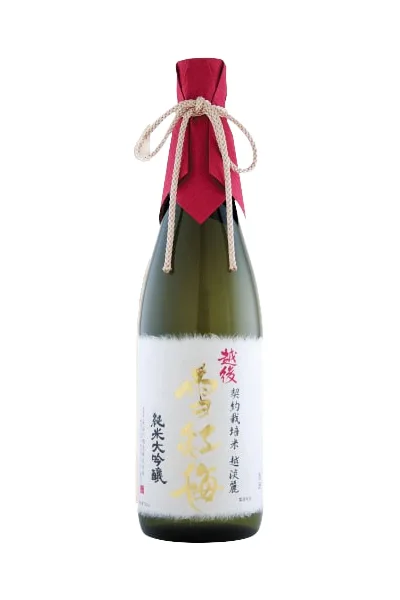
- Echigo Sekkobai Junmai Daiginjo Genshu越後 雪紅梅 純米大吟醸 原酒
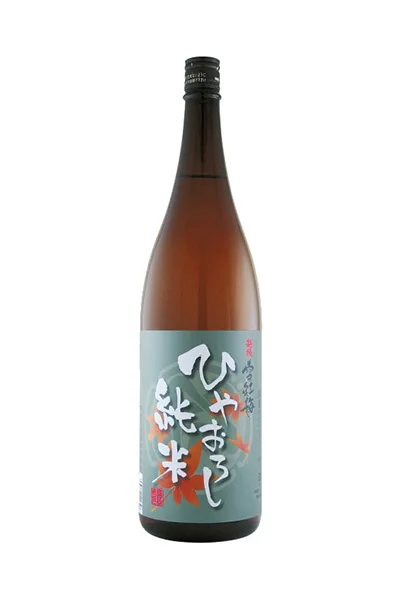
- Echigo Sekkobai Hiyaoroshi Junmai越後 雪紅梅 ひやおろし 純米
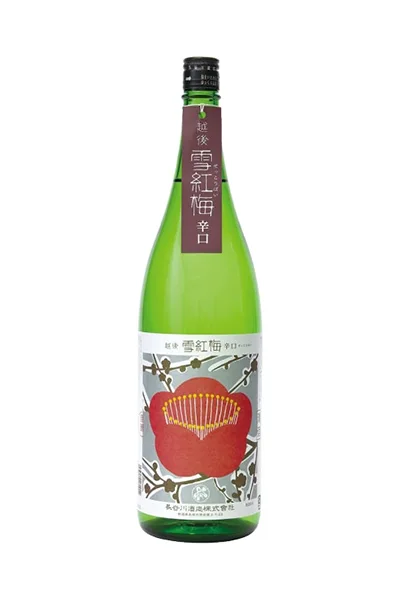
- Echigo Sekkobai Dry (+8)越後 雪紅梅 辛口(+8)
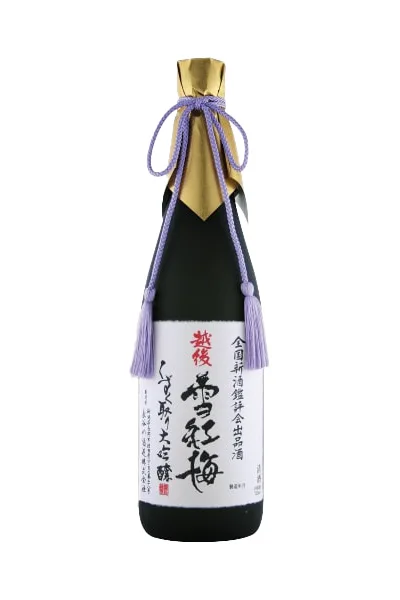
- Echigo Sekkobai Shizuku Dori Daiginjo越後 雪紅梅 しずく取り 大吟醸
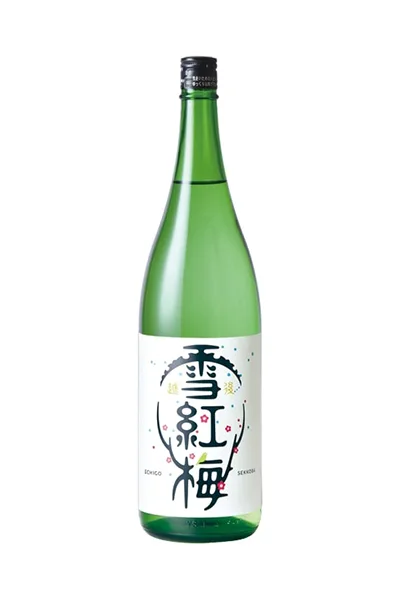
- Echigo Sekkobai Futsushu越後 雪紅梅 普通酒
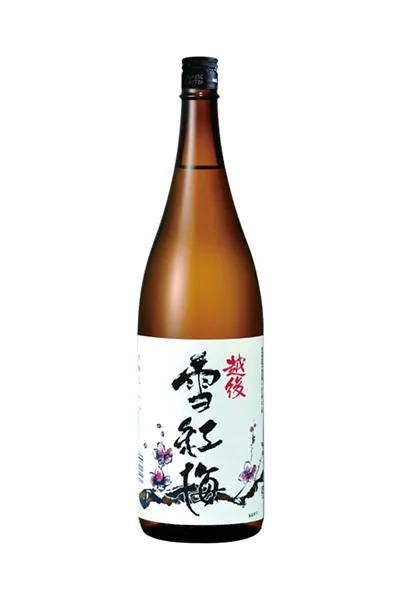
- Echigo Sekkobai Honjozo越後 雪紅梅 本醸造
- Echigo Sekkobai Junmai Daiginjo Koshitanrei Shikomi越後 雪紅梅 純米大吟醸 越淡麗仕込
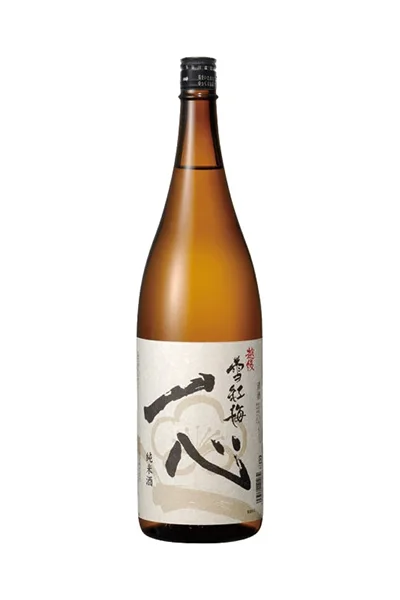
- Echigo Sekkobai Junmai Isshin越後 雪紅梅 純米 一心
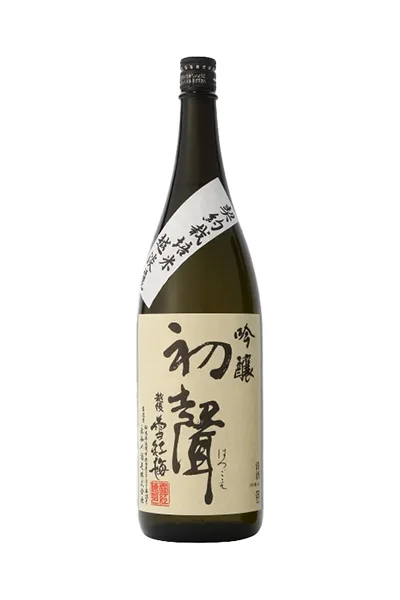
- Echigo Sekkobai Ginjo Hatsune越後 雪紅梅 吟醸 初聲
- Echigo Sekkobai Tokubetsu Junmai Namazake越後 雪紅梅 特別純米 生酒