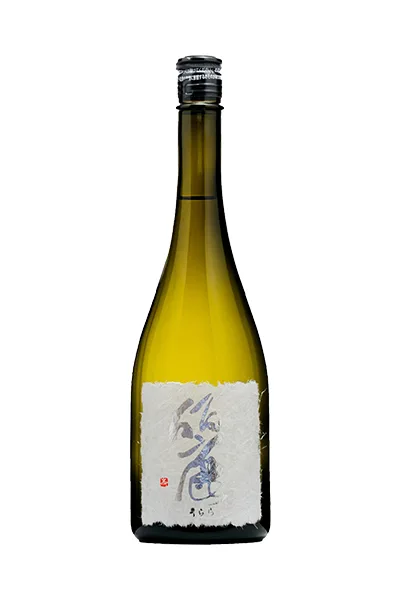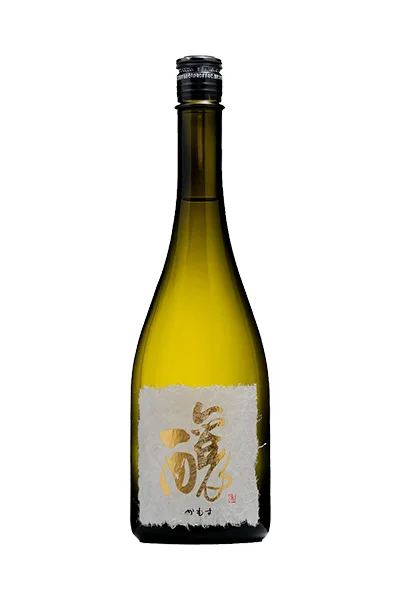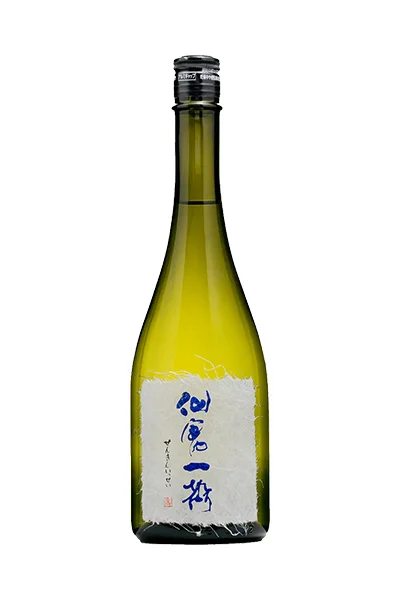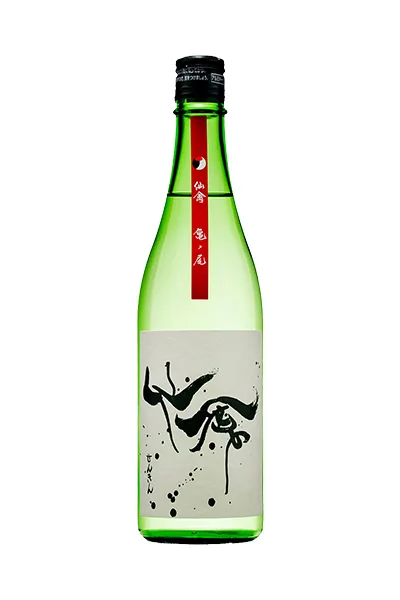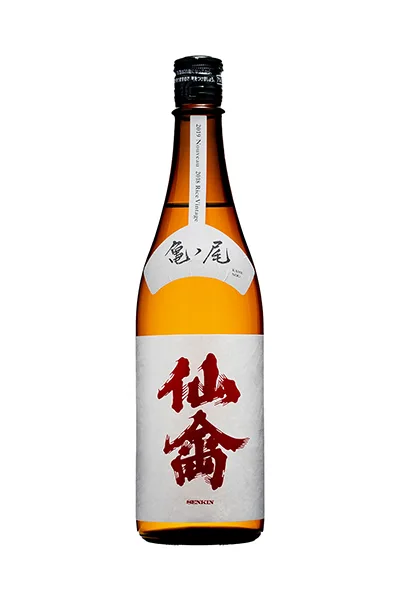
Classic Senkin Kame no O
クラシック仙禽 亀ノ尾Junmai ginjo, Hakutsuru Nishiki rice polished to 60%
Dramatic fruitiness that showcases the heirloom rice Kame no O.
Specifications
- Type
- Junmai Ginjo
- Rice
- Hakutsuru Nishiki
- Rice polishing ratio
- 60%40% of each grain polished away
- Yeast
- Not disclosed
- Alcohol
- 14%
How to read these
- Type
- The grade printed on the label. It depends on the ingredients (rice only, or with a little distilled alcohol) and on how far the rice is polished. More
- Rice
- The rice variety. Most premium sake uses varieties grown for brewing, such as Yamada Nishiki. More
- Rice polishing ratio
- How much of each grain is left after polishing. A lower number means more was milled away, which usually gives a lighter, more aromatic sake. More
- Yeast
- The yeast strain, which shapes the aroma. More
- Alcohol
- Alcohol by volume. Most sake is 15–16%; undiluted (genshu) sake is often 17–18%. More
Flavor profile Aromatic & light
Aromatic & light — fruity, floral aroma with a light body. Known in Japan as kun-shu (薫酒).
The 60% polished junmai ginjo and its described fruity, gentle aroma point to a high aroma, while the 14% alcohol and light, refined texture suggest a light body. The pronounced lychee-like sweetness and soft acidity place it on the sweeter side, making it a kun-type sake.
Estimated by AI from the published specifications and the brewery's description; your impression may differ.
About
Of the three varieties grown at Domaine Sakura, the heirloom rice Kame no O shows the most distinctive character. It is as if the rice carries a living spirit. We brewers approach Kame no O with respect, and in response it produces a sweetness and acidity full of energy. We believe no other sake carries this kind of dramatic vitality. The aroma is gentle with a strong sense of fruit, and the palate has a settled, well-defined mineral quality. The aftertaste is deep and generous, evoking the sweetness of lychee and cranberry. On the palate, fine, smooth acidity, like tiny particles, spreads gently with its edges rounded off. Clear as water and refined, the exceptional sweetness dominates the mouth. The flavor is profound yet light. Rice used: Koji rice (kojimai): Yamada Nishiki grown in Sakura, Tochigi (Domaine Sakura Yamada Nishiki). Kake rice (kakemai, rice added during the mash): Kame no O grown in Sakura, Tochigi (Domaine Sakura Kame no O). Rice polishing ratio: Koji rice 50%, kake rice 60%. Specifications: Muroka genshu (unfiltered, undiluted sake), bottle-aged (binkakoi) and bottle-pasteurized (binhiire). Recommended serving temperatures: 10 to 15°C, and 45 to 50°C. Recommended vessels: Bordeaux-style wine glass, or ochoko (sake cup).
Other sake from this brand 12
- Classic Senkin Omachiクラシック仙禽 雄町
- Classic Senkin Mukuクラシック仙禽 無垢
- Senkin Issei仙禽 一聲
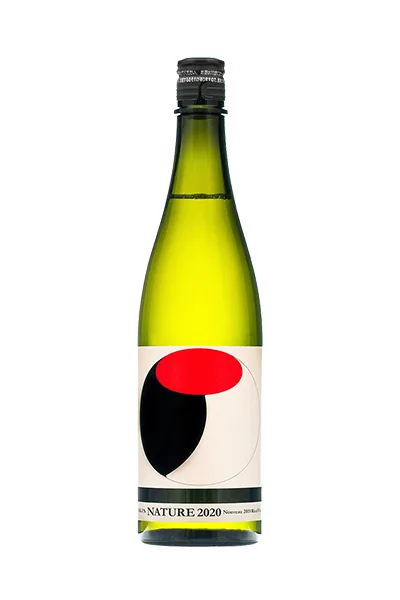
- Senkin Organic Nature仙禽 オーガニック ナチュール
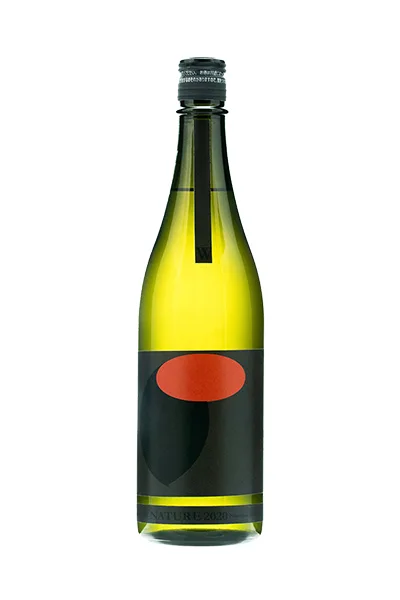
- Senkin Organic Nature <W: Kijoshu>仙禽 オーガニック ナチュール <W:kijoshu>
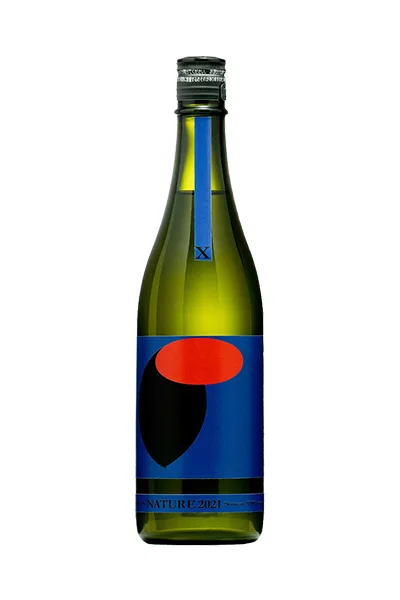
- Senkin Organic Nature <X:sparkling>仙禽 オーガニック ナチュール <X:sparkling>
- Senkin Organic Nature <0:nigori>仙禽 オーガニック ナチュール <0:nigori>
- Modern Senkin Omachiモダン仙禽 雄町
- Modan Senkin Kame no Oモダン仙禽 亀ノ尾
- Modern Senkin Mukuモダン仙禽 無垢