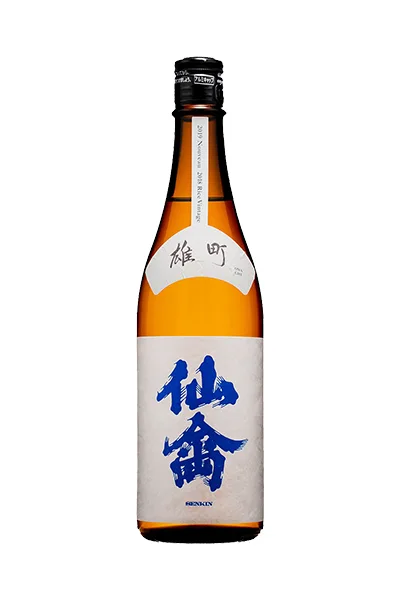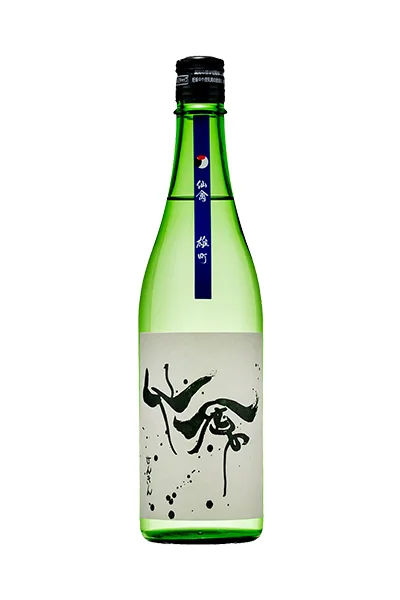
Modern Senkin Omachi
モダン仙禽 雄町Junmai ginjo, Omachi rice polished to 60%
A dizzying spiral of sweetness and acidity, overflowing with the life force of Omachi.
Specifications
- Type
- Junmai Ginjo
- Rice
- Omachi
- Rice polishing ratio
- 60%40% of each grain polished away
- Yeast
- Not disclosed
- Alcohol
- 14%
How to read these
- Type
- The grade printed on the label. It depends on the ingredients (rice only, or with a little distilled alcohol) and on how far the rice is polished. More
- Rice
- The rice variety. Most premium sake uses varieties grown for brewing, such as Yamada Nishiki. More
- Rice polishing ratio
- How much of each grain is left after polishing. A lower number means more was milled away, which usually gives a lighter, more aromatic sake. More
- Yeast
- The yeast strain, which shapes the aroma. More
- Alcohol
- Alcohol by volume. Most sake is 15–16%; undiluted (genshu) sake is often 17–18%. More
Flavor profile Full & complex
Full & complex — aromatic and full-bodied, including aged sake. Known in Japan as juku-shu (熟酒).
The description of white peach and muscat aromas, together with the junmai ginjo designation and 60% polishing, points to high aroma. The powerful, layered sweetness and acidity at 14% alcohol suggests a full, rich body with moderate-to-high sweetness.
Estimated by AI from the published specifications and the brewery's description; your impression may differ.
About
A distinctly masculine strength. This vitality is the greatest hallmark of Omachi sake. Looking at the rice paddies before harvest brings back the energy of the overflowing rice ears I saw a year earlier. That energy now exists before you as sake, offering a direct, forceful character. On the nose, a powerful yet elegant aroma of white peach and muscat comes first. On the palate, waves of sweetness and acidity rise in turn, one after another, unfolding the sweet-tart spiral seen in Senkin of years past. Rice used: Koji rice: Yamada Nishiki grown in Sakura City, Tochigi Prefecture (Domaine Sakura Yamada Nishiki) / Kake rice: Omachi grown in Sakura City, Tochigi Prefecture (Domaine Sakura Omachi) Rice polishing ratio: Koji rice 50%, kake rice 60% Specifications: Unfiltered genshu (undiluted sake), available raw (namazake) or pasteurized (hiire) Suitable serving temperature: 10°C to 15°C Suitable glassware: Bordeaux-style wine glass
Other sake from this brand 12
- Classic Senkin Omachiクラシック仙禽 雄町
- Classic Senkin Kame no Oクラシック仙禽 亀ノ尾
- Classic Senkin Mukuクラシック仙禽 無垢
- Senkin Issei仙禽 一聲
- Senkin Organic Nature仙禽 オーガニック ナチュール
- Senkin Organic Nature <W: Kijoshu>仙禽 オーガニック ナチュール <W:kijoshu>
- Senkin Organic Nature <X:sparkling>仙禽 オーガニック ナチュール <X:sparkling>
- Senkin Organic Nature <0:nigori>仙禽 オーガニック ナチュール <0:nigori>
- Modan Senkin Kame no Oモダン仙禽 亀ノ尾
- Modern Senkin Mukuモダン仙禽 無垢