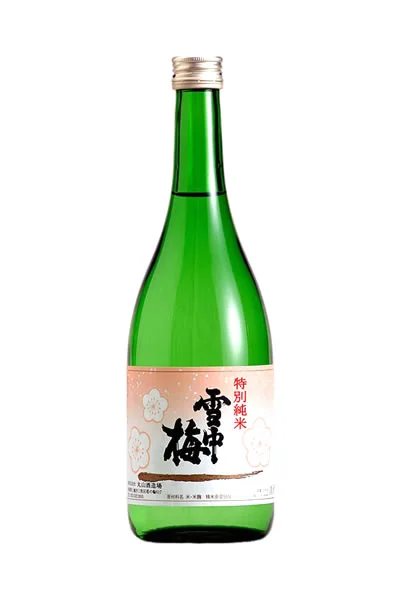
Setchubai Tokubetsu Junmai
雪中梅 特別純米Tokubetsu junmai, Gohyakumangoku rice polished to 55%
Setchubai — Maruyama Shuzojo, Niigata
A clean junmai sake you will never tire of
Specifications
- Type
- Tokubetsu Junmai
- Rice
- Gohyakumangoku
- Rice polishing ratio
- 55%45% of each grain polished away
- Yeast
- Kyokai No. 10
- Alcohol
- 15.6%
- Sake meter value
- -4.5sweet
- Acidity
- 1.4
How to read these
- Type
- The grade printed on the label. It depends on the ingredients (rice only, or with a little distilled alcohol) and on how far the rice is polished. More
- Rice
- The rice variety. Most premium sake uses varieties grown for brewing, such as Yamada Nishiki. More
- Rice polishing ratio
- How much of each grain is left after polishing. A lower number means more was milled away, which usually gives a lighter, more aromatic sake. More
- Yeast
- The yeast strain, which shapes the aroma. More
- Alcohol
- Alcohol by volume. Most sake is 15–16%; undiluted (genshu) sake is often 17–18%. More
- Sake meter value
- A sweet-to-dry scale. Plus is drier, minus is sweeter. Acidity changes how it tastes, so treat it as a rough guide. More
- Acidity
- Total acid. Higher tends to taste fuller and drier; lower tastes lighter and sweeter. More
Flavor profile Clean & dry
Clean & dry — restrained aroma, crisp and refreshing. Known in Japan as so-shu (爽酒).
The 55% polish junmai-style special junmai has restrained aroma, and its SMV of -4.5 with low acidity of 1.4 plus the description of a smooth texture and rounded, gentle acidity point to a clean, light-to-medium body with noticeable sweetness.
Estimated by AI from the published specifications and the brewery's description; your impression may differ.
About
A junmai sake made with well water drawn from a source in the satoyama (foothill woodland) area, using Gohyakumangoku rice grown under contract with local farmers in Joetsu, and koji made by the futa-koji method (koji made in shallow trays covered with lids). Yamada Nishiki from Sanda, Hyogo Prefecture, is used as the kake-mai (rice added during the later stages of fermentation). It has a smooth mouthfeel and a rounded, gentle acidity, making it a clean sake that never tires. Summer-only release (July to September).
Other sake from this brand 6
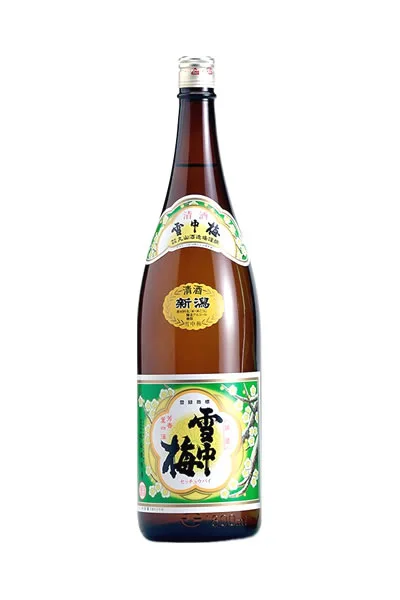
- Setchubai Futsushu雪中梅 普通酒
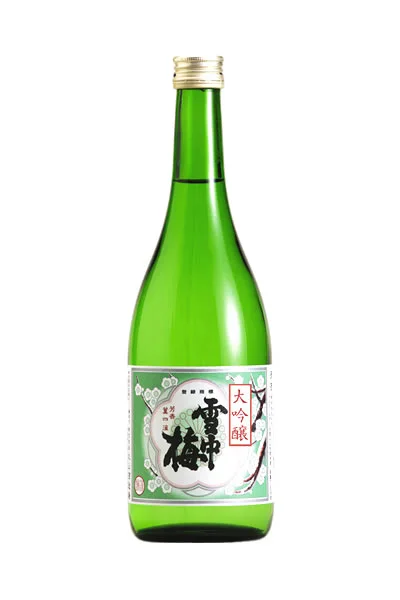
- Setchubai Daiginjo雪中梅 大吟醸
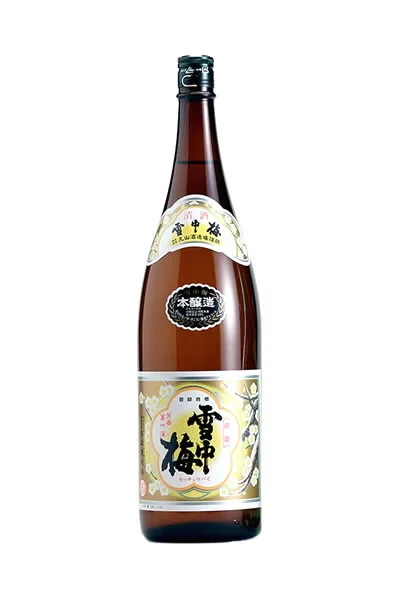
- Setchubai Honjozo雪中梅 本醸造
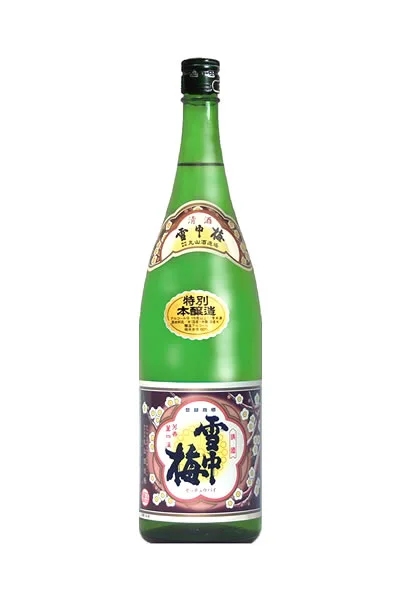
- Setchubai Tokubetsu Honjozo雪中梅 特別本醸造
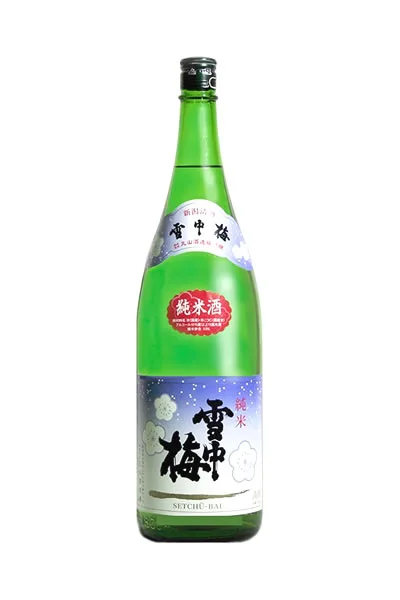
- Setchubai Junmai雪中梅 純米
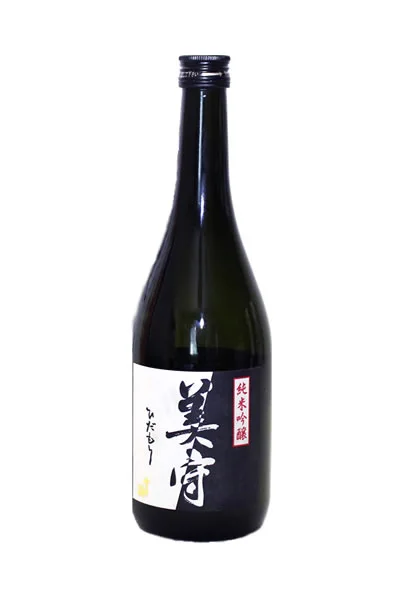
- Setchubai Junmai Ginjo Mimamori雪中梅 純米吟醸 美守