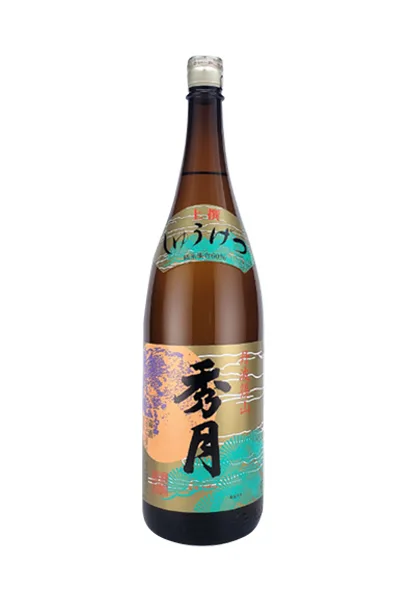
Shugetsu Josenshu
秀月 上撰酒Futsushu (table sake), Yamada Nishiki rice polished to 60%, brewery's upper tier (josen)
Shugetsu — Kariba Shuzo, Hyogo
Smooth and pleasing, the everyday standard of Shugetsu: Josenshu
Specifications
- Type
- Futsushu
- Rice
- Yamada Nishiki
- Rice polishing ratio
- 60%40% of each grain polished away
- Yeast
- Not disclosed
- Alcohol
- 15–16%
- Sake meter value
- +1medium
- Acidity
- 1.8
How to read these
- Type
- The grade printed on the label. It depends on the ingredients (rice only, or with a little distilled alcohol) and on how far the rice is polished. More
- Rice
- The rice variety. Most premium sake uses varieties grown for brewing, such as Yamada Nishiki. More
- Rice polishing ratio
- How much of each grain is left after polishing. A lower number means more was milled away, which usually gives a lighter, more aromatic sake. More
- Yeast
- The yeast strain, which shapes the aroma. More
- Alcohol
- Alcohol by volume. Most sake is 15–16%; undiluted (genshu) sake is often 17–18%. More
- Sake meter value
- A sweet-to-dry scale. Plus is drier, minus is sweeter. Acidity changes how it tastes, so treat it as a rough guide. More
- Acidity
- Total acid. Higher tends to taste fuller and drier; lower tastes lighter and sweeter. More
Flavor profile Rich & umami
Rich & umami — rice-driven umami and a fuller body. Known in Japan as jun-shu (醇酒).
The 60% polishing, acidity of 1.8 and the text's emphasis on mellow, full flavor point to restrained aroma, medium-full body and moderate sweetness. An SMV of +1 keeps the sweetness gentle.
Estimated by AI from the published specifications and the brewery's description; your impression may differ.
About
Easy to drink and never tiring, Josenshu is known for its smooth, mellow flavor. It can be enjoyed hot-warmed (atsukan), lukewarm (nurukan), or chilled. ■ Rice koji made from home-grown Yamada Nishiki Koji, the starting point of sake brewing, is made from home-grown Yamada Nishiki. The rice is grown in paddies near the brewery, using the same water used in brewing. It blends well during the brewing process and brings out a full-bodied, solid flavor. ■ A flavor that never tires, with a rice polishing ratio of 60% It is common for sake to vary the rice polishing ratio, meaning how far the rice is milled. However, our brewery uses only home-grown rice milled to 60% for its koji. We insist on 60% because it leads to fine sake at an affordable price. Rather than a premium sake, our policy is to brew the most delicious sake that can be enjoyed every day, and we make it with that goal in mind each day. ■ Brewed with care, like raising a child Brewing sake is, so to speak, the same as raising children. It is the process of fermenting rice and gradually bringing it to become sake. The key is dialogue with the koji mold and yeast that assist in brewing. Only when there are hands that carefully control temperature and gentle eyes that watch over fermentation can the koji mold and yeast multiply to create delicious sake. For this reason, our brewery never cuts corners on rice quality, judgment of temperature, or management of good water.
Other sake from this brand 8
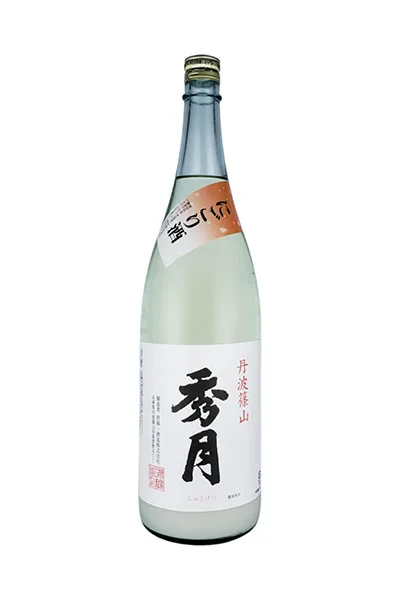
- Shugetsu Nigori秀月 にごり酒
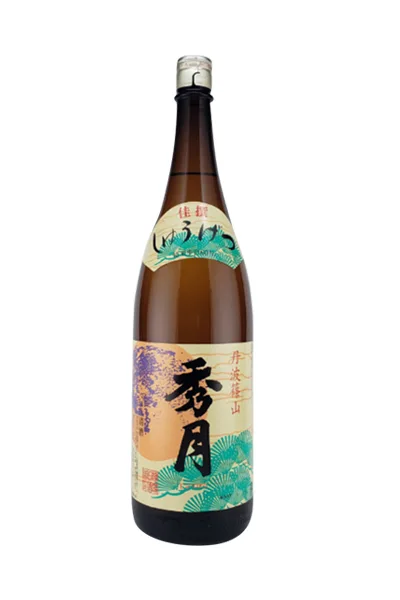
- Shugetsu Kasenshu秀月 佳撰酒
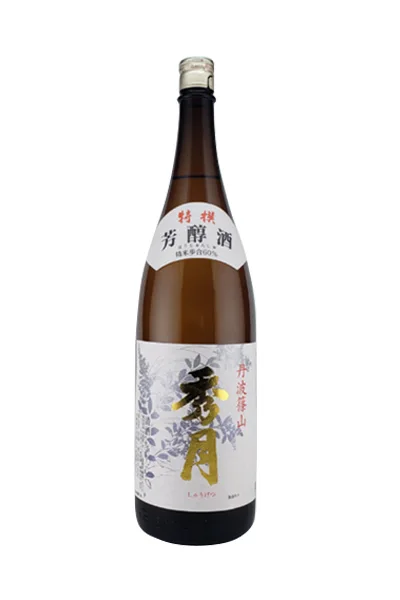
- Shugetsu Tokusen Kaorijunshu秀月 特撰 芳醇酒
- Shugetsu Dry Honjozo秀月 辛口 本醸造
- Shugetsu Shiboritate Junmai Nama秀月 しぼりたて 純米生
- Shugetsu Tanrei Junmai sake秀月 淡麗 純米酒
- Shugetsu Shiboritate Nama Genshu秀月 しぼりたて 生原酒
- Shugetsu Asaichiban Shibori秀月 朝一番しぼり