Tatenokawa Komyo
楯野川 光明Junmai daiginjo, Yamada Nishiki rice
Tatenokawa — Tatenokawa Shuzo, Yamagata
Hoping that a dazzling light will shine on the future of sake a century from now
Specifications
- Type
- Junmai Daiginjo
- Rice
- Yamada Nishiki
- Rice polishing ratio
- 1%99% of each grain polished away
- Yeast
- Not disclosed
- Alcohol
- 15%
- Sake meter value
- -2slightly sweet
- Acidity
- 1.3
How to read these
- Type
- The grade printed on the label. It depends on the ingredients (rice only, or with a little distilled alcohol) and on how far the rice is polished. More
- Rice
- The rice variety. Most premium sake uses varieties grown for brewing, such as Yamada Nishiki. More
- Rice polishing ratio
- How much of each grain is left after polishing. A lower number means more was milled away, which usually gives a lighter, more aromatic sake. More
- Yeast
- The yeast strain, which shapes the aroma. More
- Alcohol
- Alcohol by volume. Most sake is 15–16%; undiluted (genshu) sake is often 17–18%. More
- Sake meter value
- A sweet-to-dry scale. Plus is drier, minus is sweeter. Acidity changes how it tastes, so treat it as a rough guide. More
- Acidity
- Total acid. Higher tends to taste fuller and drier; lower tastes lighter and sweeter. More
Flavor profile Aromatic & light
Aromatic & light — fruity, floral aroma with a light body. Known in Japan as kun-shu (薫酒).
A 1% polishing ratio, SMV of -2 and low acidity of 1.3 point to a soft, sweet and transparent sake. The text's emphasis on clarity and rice sweetness suggests a refined, fairly aromatic profile with a light-to-medium body.
Estimated by AI from the published specifications and the brewery's description; your impression may differ.
About
Komyo, which pushed the limits of high polishing and opened a new door for the sake industry. And Yamada Nishiki, known as the king of sake rice for the strength of its structure and the depth of its flavor. Compared with Dewa Sansan, which we challenged in 2016, Yamada Nishiki is softer, and polishing it to 1% is more difficult. It is polished over about two and a half months down to a diameter of 1 mm. The result is a clear, refined and elegant sake that still conveys the umami and sweetness of the rice, bringing out the full character of Yamada Nishiki. Stored at a low temperature, the flavor settles and becomes more refined, so this is a product to enjoy as its taste changes over time.
Other sake from this brand 42
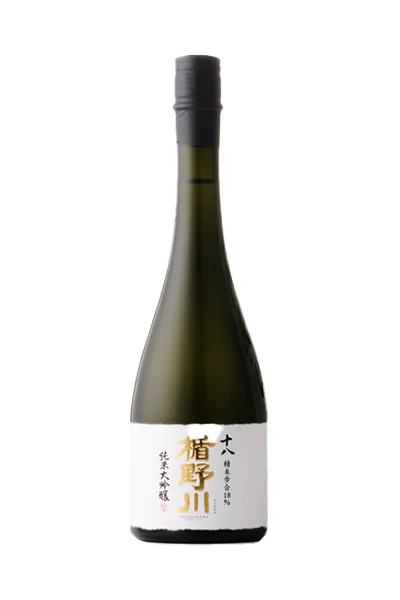
- Tatenokawa Juhachi楯野川 十八
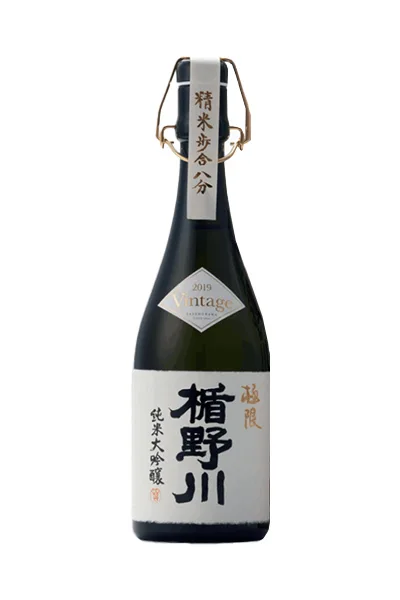
- Tatenokawa Kiwami楯野川 極限
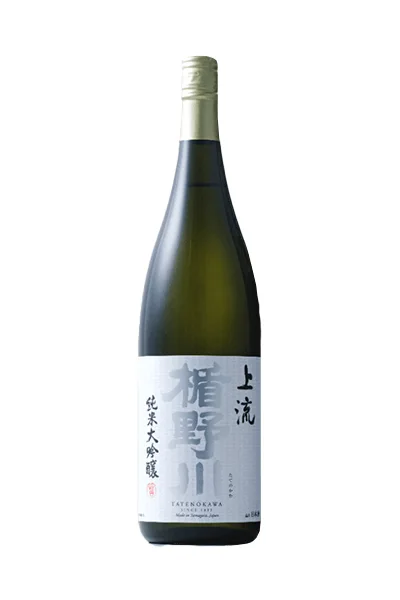
- Tatenokawa Joryu楯野川 上流
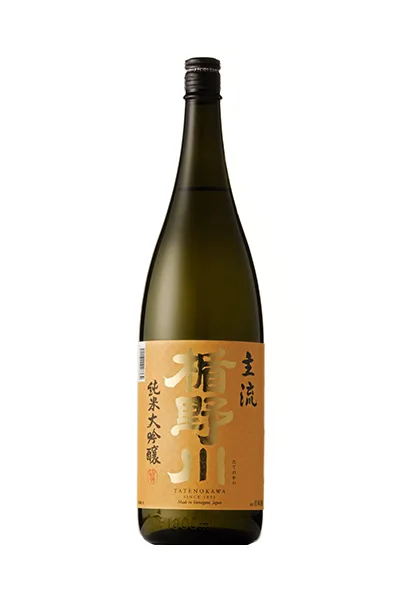
- Tatenokawa Shuryu楯野川 主流
- Tatenokawa Ichi Shizuku Jukon楯野川 一雫入魂
- Tatenokawa Seiryu楯野川 清流
- Tatenokawa Daiginjo Gentei Tobin Gakoi Yamada Nishiki 40%楯野川 大吟醸 限定 斗瓶囲い 山田錦 40%
- Tatenokawa Gekiryu Ginjo Fune-guchi Nama楯野川 激流 吟醸 槽口 生
- Tatenokawa Daiginjo Limited Tobin Gakoi Omachi 40%楯野川 大吟醸 限定 斗瓶囲い 雄町 40%
- Tatenokawa Daiginjo Bangaihen Seme楯野川 大吟醸 番外編 攻め
- Tatenokawa Daiginjo Nakadori Omachi 40%楯野川 大吟醸 中取り 雄町 40%
- Tatenokawa Junmai Ginjo Shimizuda楯野川 純米吟醸 清水田