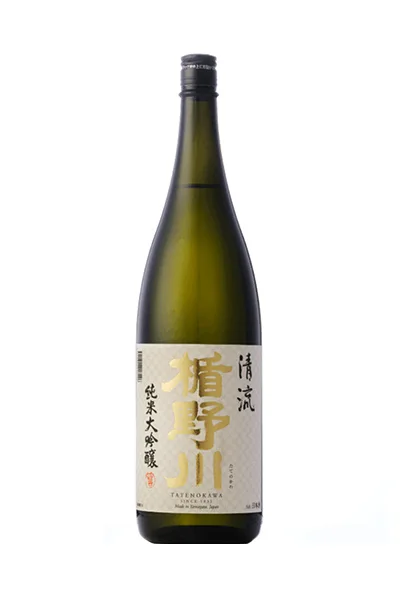
Tatenokawa Seiryu
楯野川 清流Junmai daiginjo, Dewa Sansan rice polished to 50%
Tatenokawa — Tatenokawa Shuzo, Yamagata
A clean finish and clarity like a mountain stream, with a light, fresh ginjo aroma
Specifications
- Type
- Junmai Daiginjo
- Rice
- Dewa Sansan
- Rice polishing ratio
- 50%50% of each grain polished away
- Yeast
- Not disclosed
- Alcohol
- 14%
- Sake meter value
- -2slightly sweet
- Acidity
- 1.4
How to read these
- Type
- The grade printed on the label. It depends on the ingredients (rice only, or with a little distilled alcohol) and on how far the rice is polished. More
- Rice
- The rice variety. Most premium sake uses varieties grown for brewing, such as Yamada Nishiki. More
- Rice polishing ratio
- How much of each grain is left after polishing. A lower number means more was milled away, which usually gives a lighter, more aromatic sake. More
- Yeast
- The yeast strain, which shapes the aroma. More
- Alcohol
- Alcohol by volume. Most sake is 15–16%; undiluted (genshu) sake is often 17–18%. More
- Sake meter value
- A sweet-to-dry scale. Plus is drier, minus is sweeter. Acidity changes how it tastes, so treat it as a rough guide. More
- Acidity
- Total acid. Higher tends to taste fuller and drier; lower tastes lighter and sweeter. More
Flavor profile Aromatic & light
Aromatic & light — fruity, floral aroma with a light body. Known in Japan as kun-shu (薫酒).
The junmai daiginjo label, 50% polishing ratio and text describing ginjo aroma, freshness and clean finish point to an aromatic, light profile. SMV of -2 with low acidity of 1.4 suggests a gently sweet impression.
Estimated by AI from the published specifications and the brewery's description; your impression may differ.
About
Seiryu is the core of the Tatenokawa "Basic" series, a sake that serves as the backbone supporting the brewery. As its name suggests, it was conceived to evoke the transparency of a clear mountain stream flowing at the foot of Mount Chokai (鳥海山), known as the Dewa Fuji (出羽富士).
Other sake from this brand 42
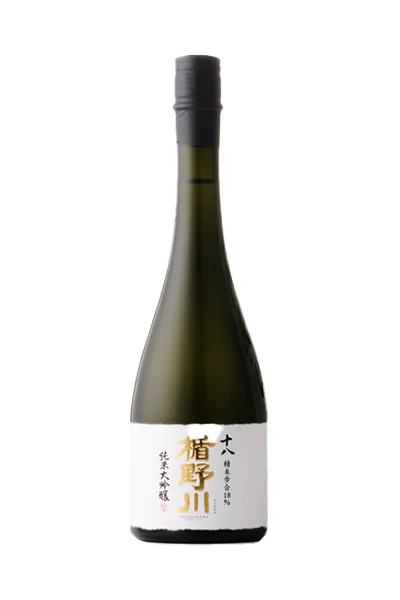
- Tatenokawa Juhachi楯野川 十八
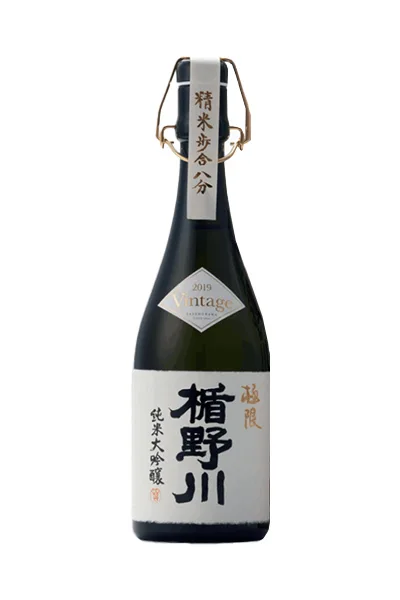
- Tatenokawa Kiwami楯野川 極限
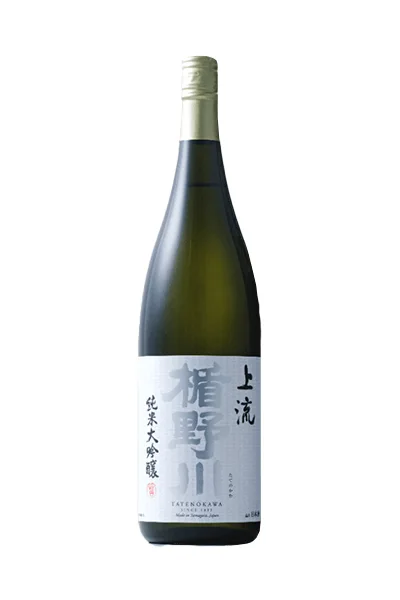
- Tatenokawa Joryu楯野川 上流
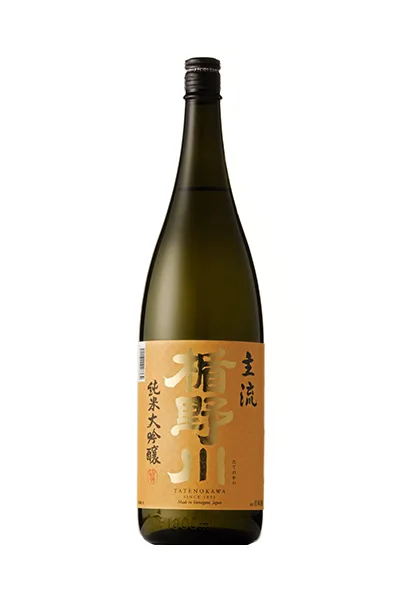
- Tatenokawa Shuryu楯野川 主流
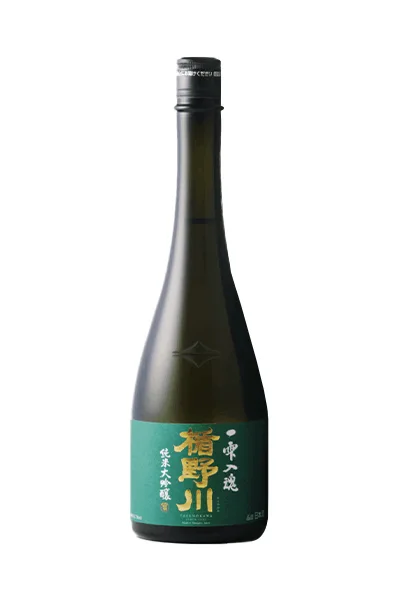
- Tatenokawa Ichi Shizuku Jukon楯野川 一雫入魂
- Tatenokawa Daiginjo Gentei Tobin Gakoi Yamada Nishiki 40%楯野川 大吟醸 限定 斗瓶囲い 山田錦 40%
- Tatenokawa Gekiryu Ginjo Fune-guchi Nama楯野川 激流 吟醸 槽口 生
- Tatenokawa Daiginjo Limited Tobin Gakoi Omachi 40%楯野川 大吟醸 限定 斗瓶囲い 雄町 40%
- Tatenokawa Daiginjo Bangaihen Seme楯野川 大吟醸 番外編 攻め
- Tatenokawa Daiginjo Nakadori Omachi 40%楯野川 大吟醸 中取り 雄町 40%
- Tatenokawa Junmai Ginjo Shimizuda楯野川 純米吟醸 清水田
- Tatenokawa Junmai Daiginjo Shiboritate楯野川 純米大吟醸 しぼりたて