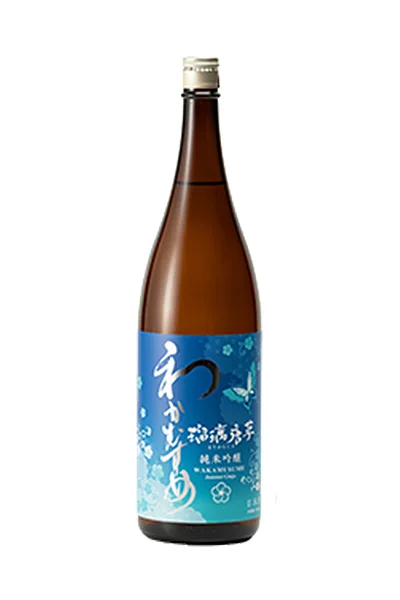
Wakamusume Ruri Karakusa
わかむすめ 瑠璃唐草Junmai ginjo, rice polished to 60%, unfiltered, unpasteurized and undiluted (muroka nama genshu)
Wakamusume — Araya Shuzo, Yamaguchi
Newly released in 2021 as a core member of the Wakamusume lineup. "Ruri Karakusa" is the Japanese name for the delicate nemophila flower.
Specifications
- Type
- Junmai Ginjo
- Rice
- Not disclosed
- Rice polishing ratio
- 60%40% of each grain polished away
- Yeast
- Not disclosed
- Alcohol
- 17–18%
- Sake meter value
- -2slightly sweet
- Acidity
- 2.2
How to read these
- Type
- The grade printed on the label. It depends on the ingredients (rice only, or with a little distilled alcohol) and on how far the rice is polished. More
- Rice
- The rice variety. Most premium sake uses varieties grown for brewing, such as Yamada Nishiki. More
- Rice polishing ratio
- How much of each grain is left after polishing. A lower number means more was milled away, which usually gives a lighter, more aromatic sake. More
- Yeast
- The yeast strain, which shapes the aroma. More
- Alcohol
- Alcohol by volume. Most sake is 15–16%; undiluted (genshu) sake is often 17–18%. More
- Sake meter value
- A sweet-to-dry scale. Plus is drier, minus is sweeter. Acidity changes how it tastes, so treat it as a rough guide. More
- Acidity
- Total acid. Higher tends to taste fuller and drier; lower tastes lighter and sweeter. More
Flavor profile Full & complex
Full & complex — aromatic and full-bodied, including aged sake. Known in Japan as juku-shu (熟酒).
The 60% polishing junmai ginjo, genshu and nama specs, with SMV -2 and acidity 2.2, point to a full body with gentle sweetness balanced by acidity. The description of a solid flavor and crisp finish supports a modestly aromatic, juku-leaning profile.
Estimated by AI from the published specifications and the brewery's description; your impression may differ.
About
"Ruri" is also the name of a color combination (kasane no irome) used in the layered robes of the Heian period. Its scene of sea and sky joined together expresses the future that Wakamusume aims to create. It has a solid, well-rounded flavor, yet its clean finish makes it a sake that complements meals. Although this is a year-round product, it takes advantage of small-batch brewing and year-round brewing (shiki jozo), with subtle variations made to suit the season of release. Recommended serving temperature: 10–15°C (chilled to lightly chilled)
Other sake from this brand 5
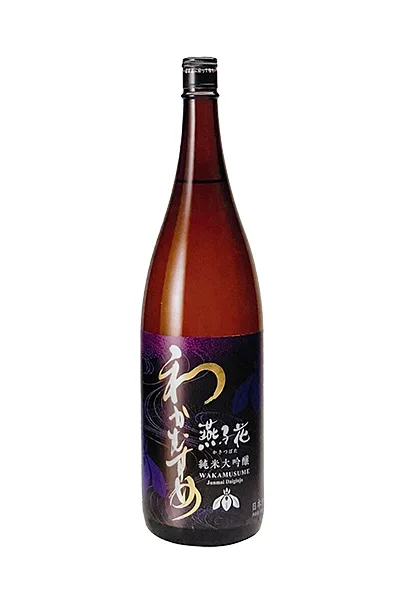
- Wakamusume Kakitsubataわかむすめ 燕子花
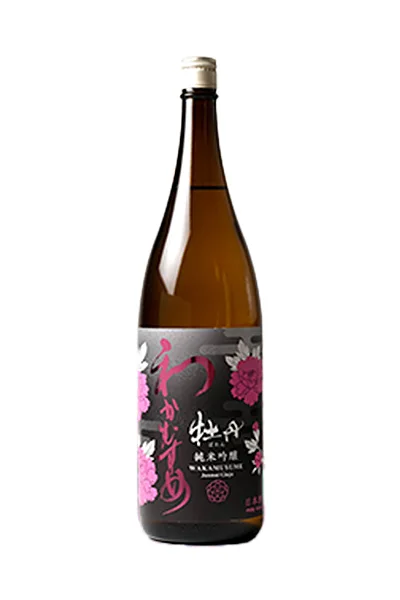
- Wakamusume Botanわかむすめ 牡丹
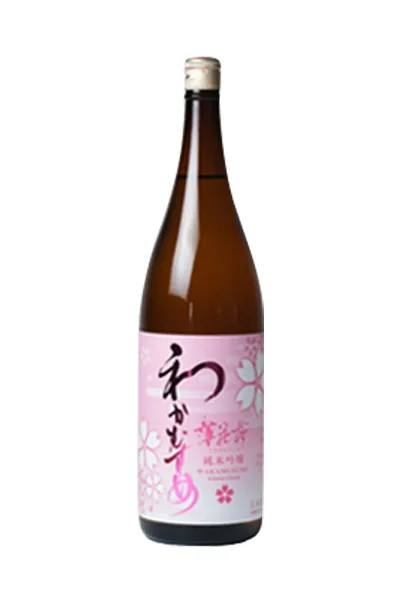
- Wakamusume Usuhanazakuraわかむすめ 薄花桜
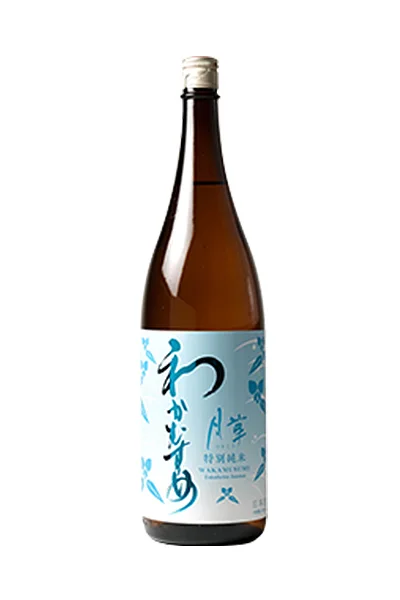
- Wakamusume Tsukikusaわかむすめ 月草
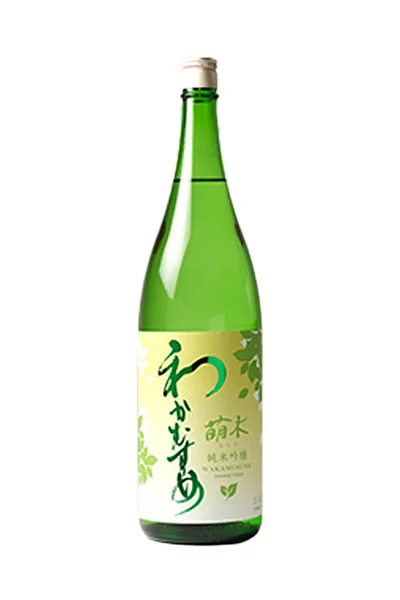
- Wakamusume Moegiわかむすめ 萌木