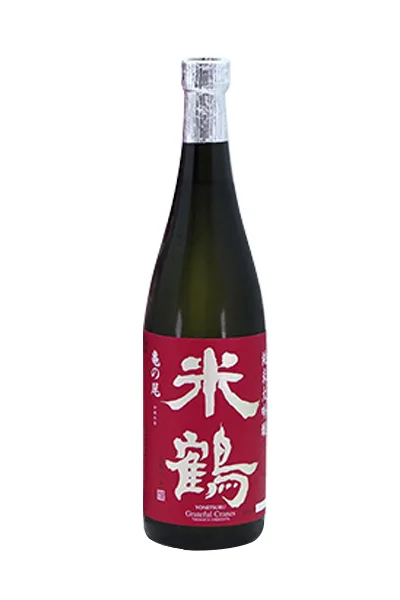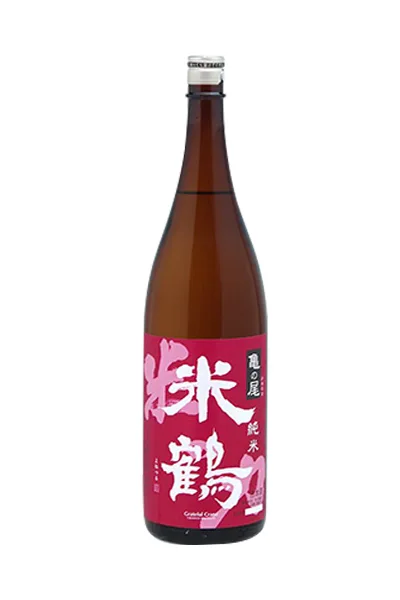
Yonetsuru Kome no Chikara Junmai Kame no O
米鶴 米の力 純米 亀の尾Junmai, Kame no O rice polished to 65%
Yonetsuru — Yonetsuru Shuzo, Yamagata
Made with Kame no O, a legendary rice variety handed down from long ago and revived for today, this junmai sake draws out the full umami of the rice.
Specifications
- Type
- Junmai Shu
- Rice
- Not disclosed
- Rice polishing ratio
- 65%35% of each grain polished away
- Yeast
- Not disclosed
- Alcohol
- 15%
- Sake meter value
- +3slightly dry
- Acidity
- 1.1
How to read these
- Type
- The grade printed on the label. It depends on the ingredients (rice only, or with a little distilled alcohol) and on how far the rice is polished. More
- Rice
- The rice variety. Most premium sake uses varieties grown for brewing, such as Yamada Nishiki. More
- Rice polishing ratio
- How much of each grain is left after polishing. A lower number means more was milled away, which usually gives a lighter, more aromatic sake. More
- Yeast
- The yeast strain, which shapes the aroma. More
- Alcohol
- Alcohol by volume. Most sake is 15–16%; undiluted (genshu) sake is often 17–18%. More
- Sake meter value
- A sweet-to-dry scale. Plus is drier, minus is sweeter. Acidity changes how it tastes, so treat it as a rough guide. More
- Acidity
- Total acid. Higher tends to taste fuller and drier; lower tastes lighter and sweeter. More
Flavor profile Rich & umami
Rich & umami — rice-driven umami and a fuller body. Known in Japan as jun-shu (醇酒).
The brewery text stresses umami and a robust flavor, and the junmai style with 65% polishing supports a restrained, rich profile. SMV +3 is near neutral and low acidity of 1.1 gives a softer, gently sweet impression.
Estimated by AI from the published specifications and the brewery's description; your impression may differ.
About
Yonetsuru Shuzo, guided by the principle of respecting traditional sake-making techniques and passing on Japan's beautiful culture, of which the world is proud, planned to revive sake brewing using Kame no O. Fortunately, seed rice was obtained with the cooperation of an agricultural experimental station. Through the efforts of the Sake Rice Research Group of the local town of Takahata, which included kurabito from Yonetsuru Shuzo, the team overcame the many difficulties of growing a variety that does not suit modern farming methods. In this way, the legendary rice Kame no O was successfully brought back for the present day. Tasting Notes This is a bottle-aged sake that has been pasteurized once. It is a junmai sake with a firm, well-defined flavor.
Other sake from this brand 13
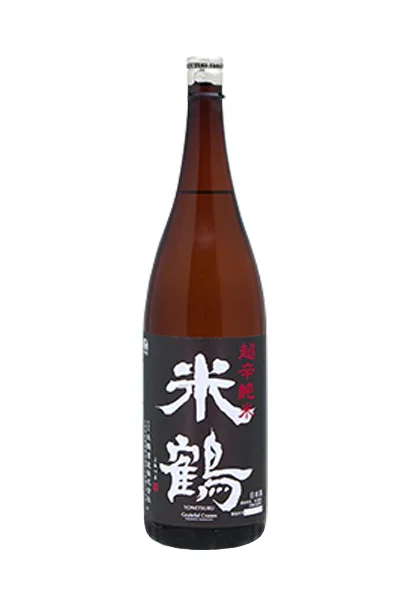
- Yonetsuru Chokara Junmai米鶴 超辛純米
- Yonetsuru Junmai Daiginjo Kame no O米鶴 純米大吟醸 亀の尾
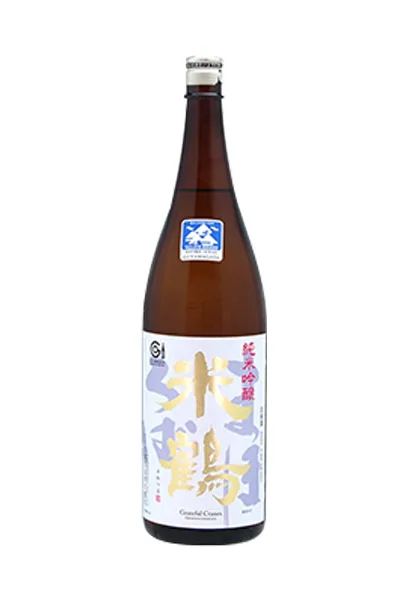
- Yonetsuru Junmai Ginjo Mahoroba米鶴 純米吟醸 まほろば
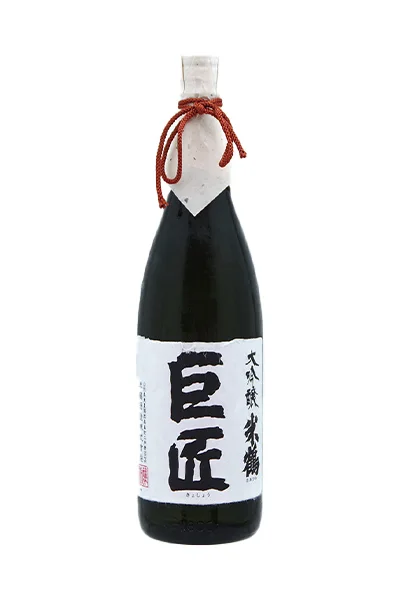
- Yonetsuru Kyosho米鶴 巨匠
- Yonetsuru Ginjo Namasai米鶴 吟醸 生彩
- Yonetsuru Marumasu Ao米鶴 マルマス 青
- Yonetsuru Nusumi Ginjo米鶴 盗み吟醸
- Yonetsuru Kome no Chikara Junmai Kamesui米鶴 米の力 純米 亀酔
- Yonetsuru Marumasu Midori米鶴 マルマス 緑
- Yonetsuru Junmai Daiginjo Yamagata Shu 104 Go米鶴 純米大吟醸 山形酒104号
- Yonetsuru Marumasu Aka米鶴 マルマス 赤
- Yonetsuru Tokubetsu Junmai Hiyaoroshi米鶴 特別純米酒 ひやおろし