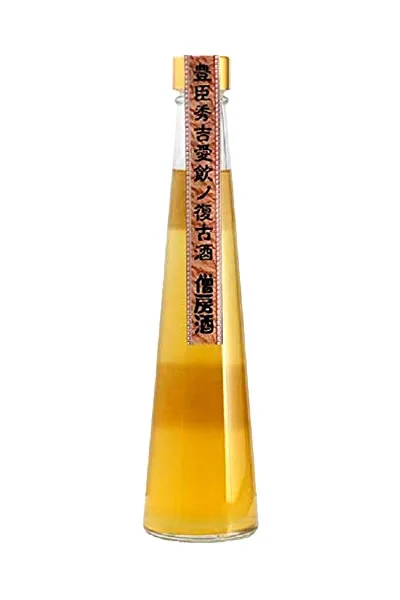
Amanosake Sobo-shu
天野酒 僧房酒Aged (koshu), Yamada Nishiki rice polished to 90%
A revived ancient sake once favored by Toyotomi Hideyoshi
Specifications
- Type
- Koshu
- Rice
- Yamada Nishiki
- Rice polishing ratio
- 90%10% of each grain polished away
- Yeast
- Kyokai No. 7
- Alcohol
- 15%
- Sake meter value
- -96very sweet
- Acidity
- 3
How to read these
- Type
- The grade printed on the label. It depends on the ingredients (rice only, or with a little distilled alcohol) and on how far the rice is polished. More
- Rice
- The rice variety. Most premium sake uses varieties grown for brewing, such as Yamada Nishiki. More
- Rice polishing ratio
- How much of each grain is left after polishing. A lower number means more was milled away, which usually gives a lighter, more aromatic sake. More
- Yeast
- The yeast strain, which shapes the aroma. More
- Alcohol
- Alcohol by volume. Most sake is 15–16%; undiluted (genshu) sake is often 17–18%. More
- Sake meter value
- A sweet-to-dry scale. Plus is drier, minus is sweeter. Acidity changes how it tastes, so treat it as a rough guide. More
- Acidity
- Total acid. Higher tends to taste fuller and drier; lower tastes lighter and sweeter. More
Flavor profile Full & complex
Full & complex — aromatic and full-bodied, including aged sake. Known in Japan as juku-shu (熟酒).
The SMV of -96 and the description of a very rich, sweet amber sake point to strong sweetness and a dense, aged body. Its aroma is restrained to moderate, placing it in the juku category of mature, complex sake.
Estimated by AI from the published specifications and the brewery's description; your impression may differ.
About
This sake, said to have been favored by Taiko (retired regent) Hideyoshi, who sent envoys repeatedly to purchase it, has been revived in modern times. It is a reproduction sake that recreates the brewing methods of the Muromachi to Sengoku periods as faithfully as possible. Unlike contemporary seishu, this amber-colored sake is exceptionally rich and sweet. It is an ultra-premium sake that evokes the romance of the Sengoku era.
Other sake from this brand 12
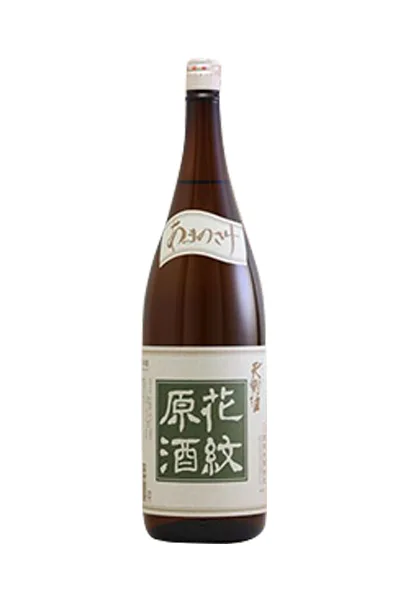
- Amanosake Kamon Genshu天野酒 花紋原酒
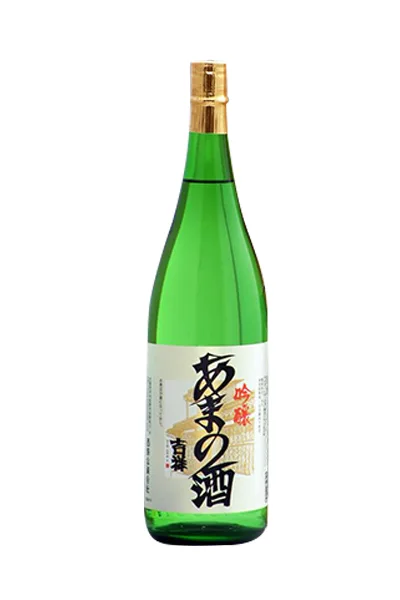
- Amanosake Kichijo天野酒 吉祥
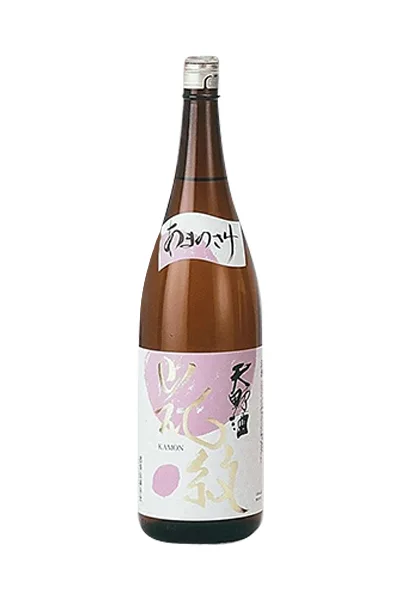
- Amanosake Kamon天野酒 花紋
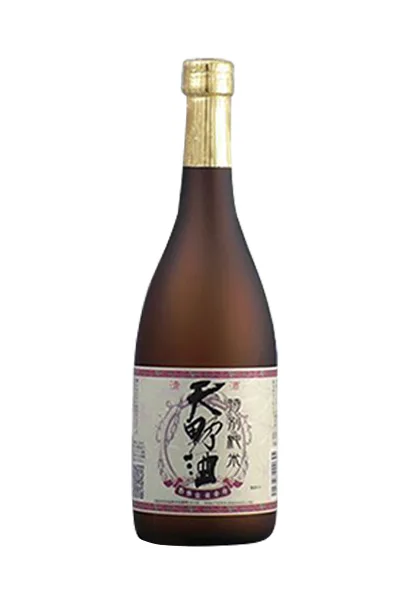
- Amanosake Tokubetsu Junmai天野酒 特別純米
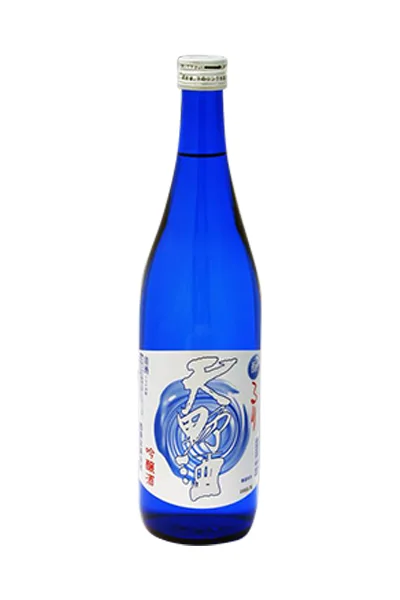
- Amanosake Kaoruri天野酒 醸るり
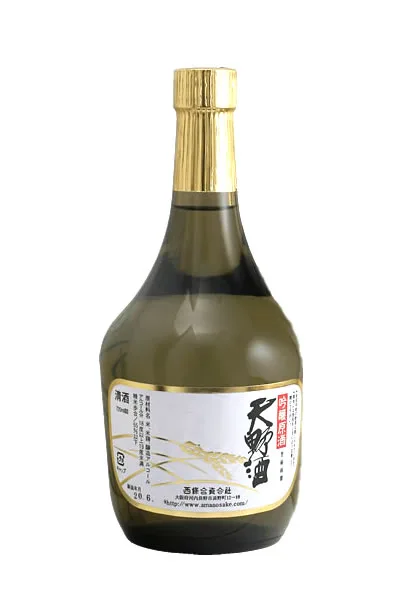
- Amanosake Ginjo Genshu天野酒 吟醸原酒
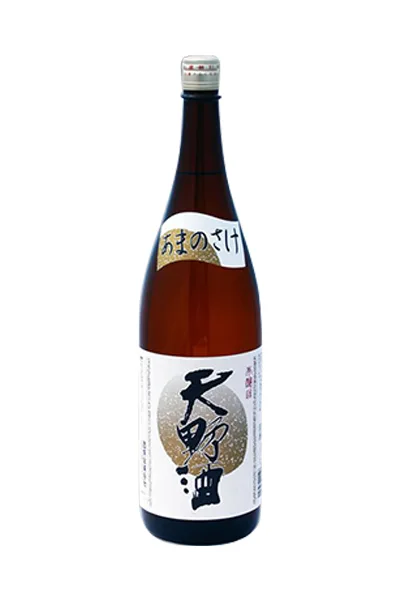
- Amanosake Honjozo天野酒 本醸造
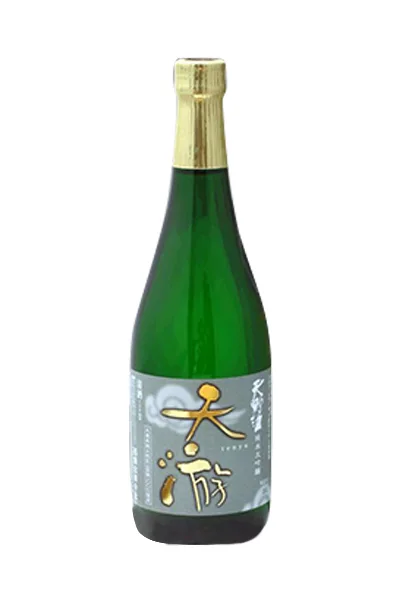
- Amanosake Tenyu天野酒 天游
- Amanosake Roku (醁)天野酒 醁
- Amanosake Rei天野酒 醴
- Amanosake Ten no Tsuyu天野酒 天のつゆ
- Amanosake Aun Yamada Nishiki天野酒 阿云 山田錦